
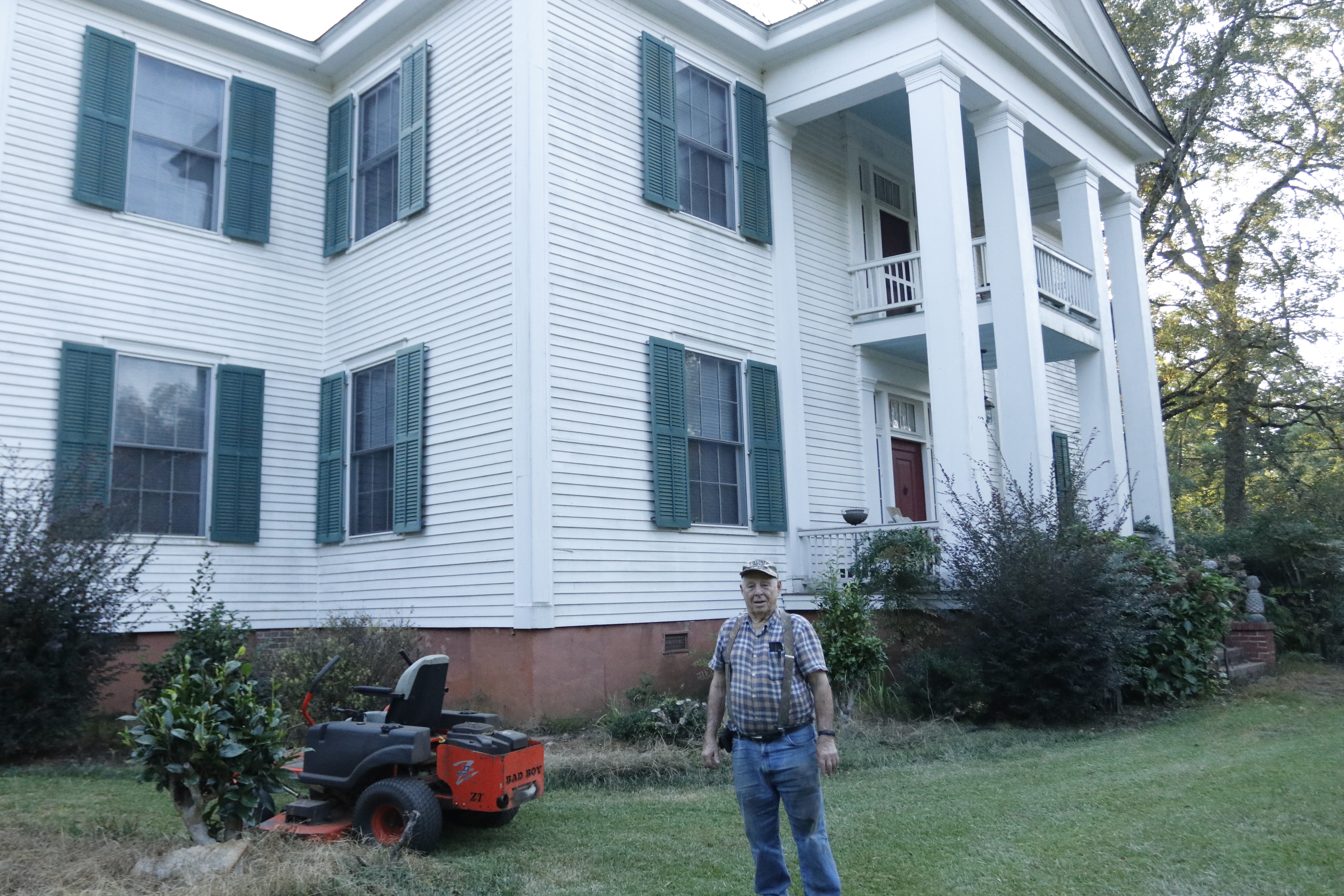
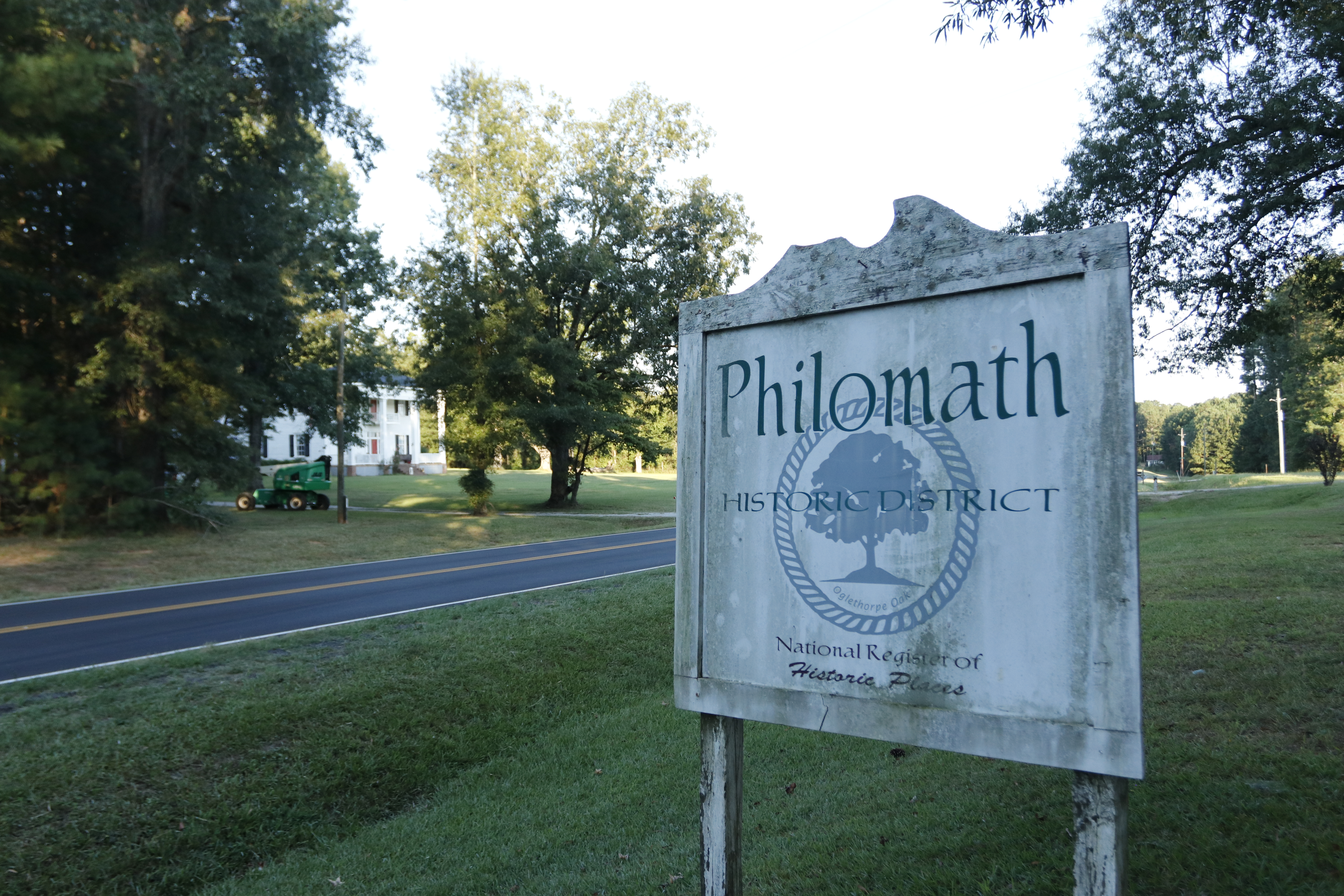
Driving along state Route 22, it’s hard to miss the historic buildings and Southern architecture on the two-lane road.
Stretching for just a mile in the southeastern corner of Oglethorpe County, the unincorporated community of Philomath might be small, but it carries a large history.
“I think it’s just a quaint little village,” said Sonny Bryan, who has called Philomath home for over 60 years.
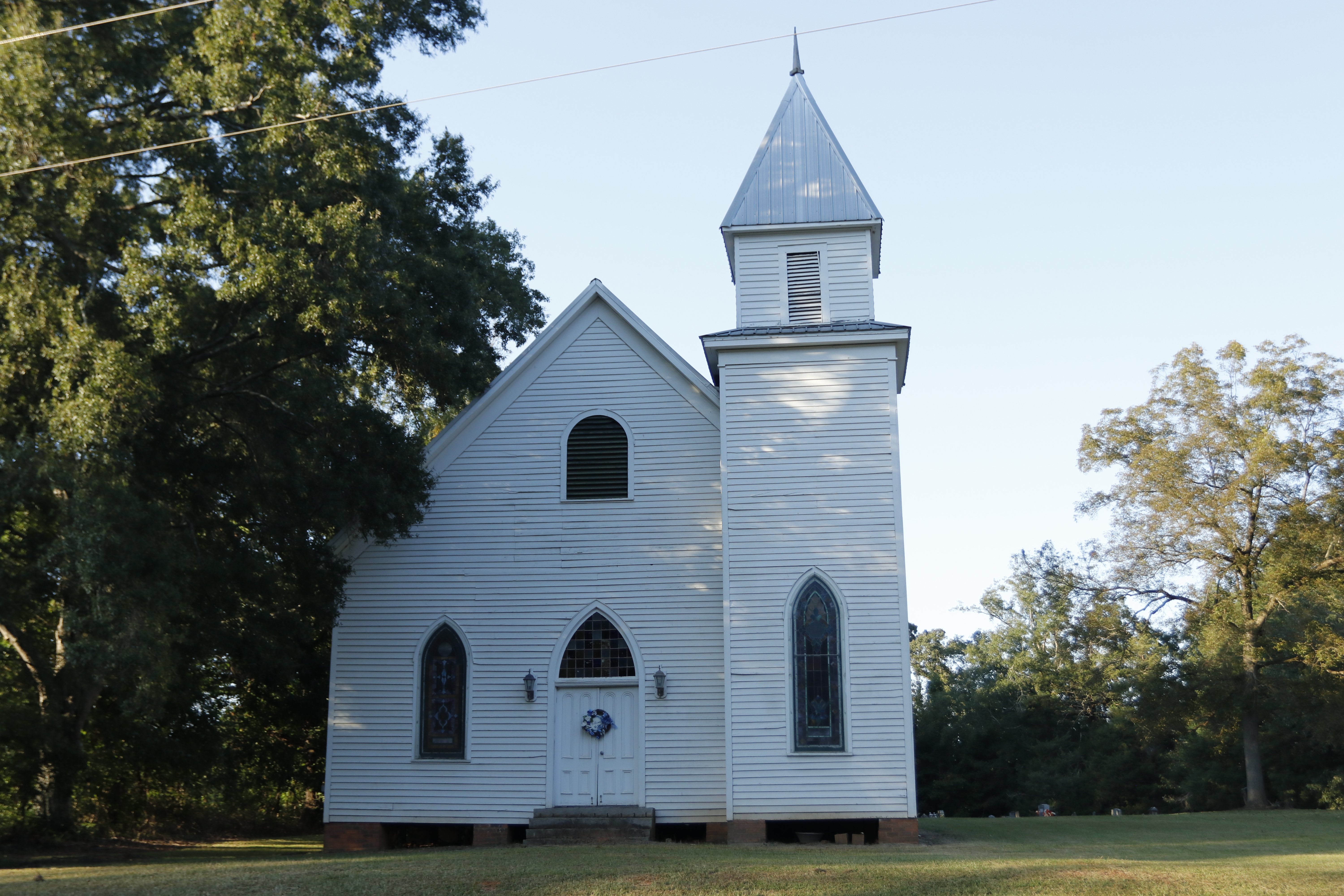
At the center of that history stands Philomath Presbyterian Church, which is included in the Historic Rural Churches of Georgia.
Established in 1848, the congregation’s roots date to 1788, when it gathered under four names at four different sites, including Liberty, Salem and Woodstock. Philomath history suggests Joseph Wilson, father of Woodrow Wilson, was often a guest preacher at Philomath Presbyterian Church in the mid-1800s.
“We’ve got a lot of old people that went (to the church) once upon a time, or their families went there way back yonder,” Bryan said.
John W. Reid, the first pastor of Philomath Presbyterian Church, established the Reid Academy boarding school in 1848. Reid Academy quickly earned a prominent reputation, drawing students from different states and bringing well-known figures such as Alexander H. Stephens, Ben Irwin and Robert Toombs to be guest speakers.
During this time, Philomath was still known as the town of Woodstock.
“When they got ready to get a post office, they said there is already a Woodstock, Georgia," said John Buckman, long-time resident of Philomath. “So, we had to rename it.”
Stephens suggested renaming the town to Philomath — meaning “love of knowledge” — a tribute to the boarding school that had become so important to the community.
Today, three of Reid Academy’s student-boarding houses still stand in Philomath, including one in Buckman’s backyard, which he uses as a guest house for family visits.
Bryan’s roots in Philomath also run deep, as most residents’ do.
His great-great-great grandfather, Robert Cunningham Daniel, helped build Philomath Presbyterian Church, and his great-great grandfather, John J. Daniel constructed several other prominent buildings, including the Globe.
Bryan still resides in Philomath with his wife, while his sister and his daughter live down the street.
Over the years, the church’s foundation began to weaken, and the community lacked funds to restore it. That changed in 2005 when Buckman, along with his wife Sue Ellen, decided the church couldn’t be lost.
“(My wife) said, ‘We’ve got to do something with that church; You go fix it,’” Buckman said. “So we formed an association, got a 501(c) designation and started it.”
With that, the Philomath Church Preservation Association (PCPA) was born.
Bryan, along with many other residents whose families had ties to the church, quickly joined the effort to rehabilitate the building and preserve the history that came with it.
Local community members donated money to rebuild the foundation and protect the unique architecture, but the PCPA still fell short of funds. When brainstorming ideas to generate more funds, Buckman realized that his personal workshop in the backyard of his home could serve as the perfect venue for a fundraiser event.
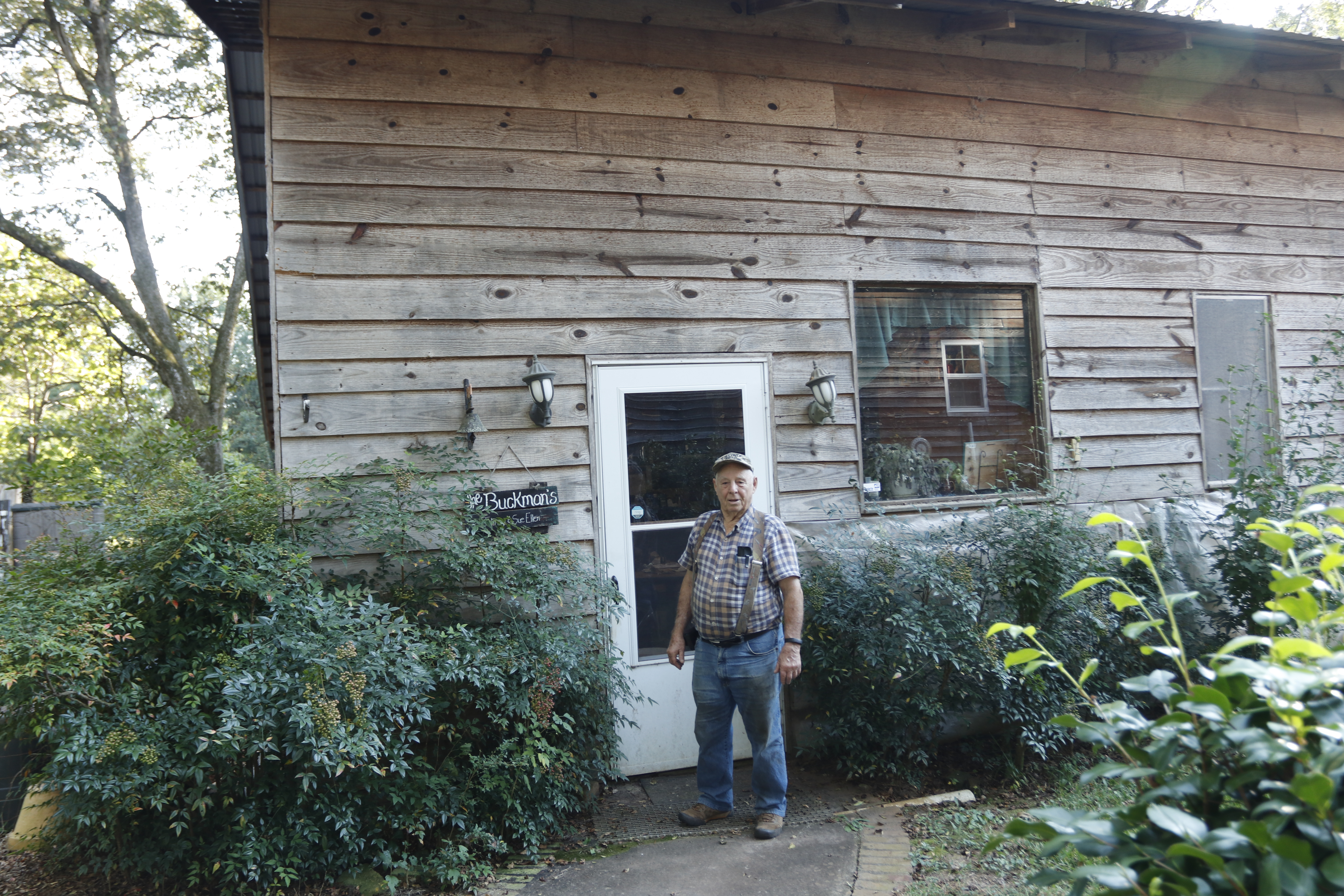
What started as a barbecue fundraiser soon evolved into a Lowcountry boil in 2007.
In the first year, the PCPA hoped to sell 120 tickets to the event, but fell just shy of that number. However, the event was a huge success and the word quickly spread throughout the community.
“Every year after that, we’d be sold out,” Buckman said. “The month before we’d have it, everybody started calling saying, ‘When are you going to have your Lowcountry?’”
The event quickly became more than just a fundraiser, it served as a chance for residents to come together to celebrate the community’s unique history and reconnect.
The Buckman's hosted the Lowcountry boil for nine years, with their final fundraiser held in 2016, before Sue Ellen was diagnosed with cancer. She died in 2018.
Today, Sue Ellen rests in the Bryan-Daniel family cemetery, located just behind the church, alongside generations of Philomath residents who also had deep roots in the community.
With the help of the community, the PCPA quickly raised enough money to restore the church to its current state. While the building is no longer used as a regular place of worship, it has been used to host weddings and other special events, keeping the historic space alive.
“All of them are good people,” Buckman said. “They help each other. If anybody needs something, the community always comes together.”