
As Georgia’s summer heat intensifies, tick activity in Oglethorpe County is on the rise.
Twenty-three tick species call the Peach State home, but only a handful of species serve as a “real concern” to the community, said Elmer Gray, a Cooperative Extension entomologist with the University of Georgia’s College of Agricultural and Environmental Sciences.
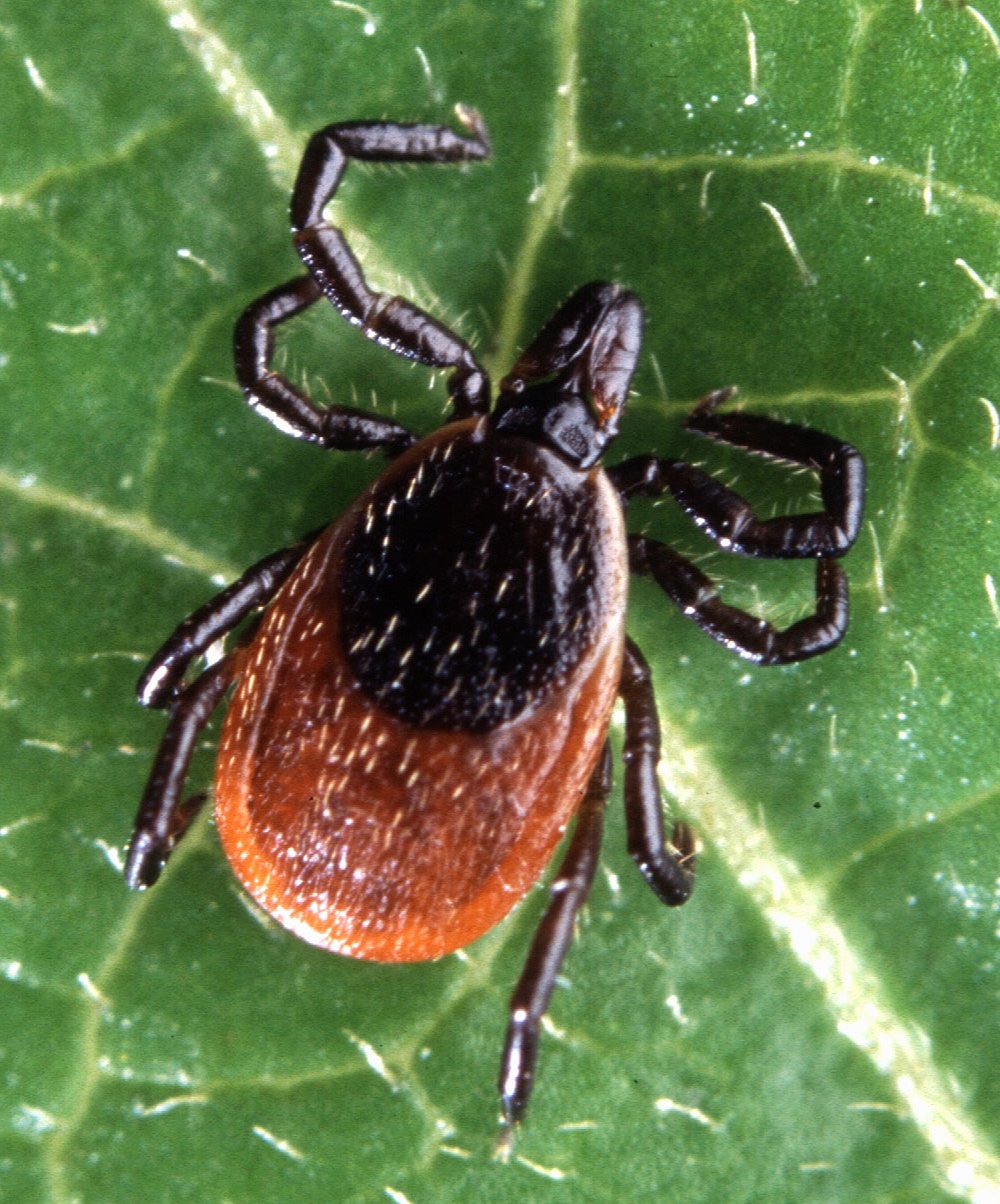
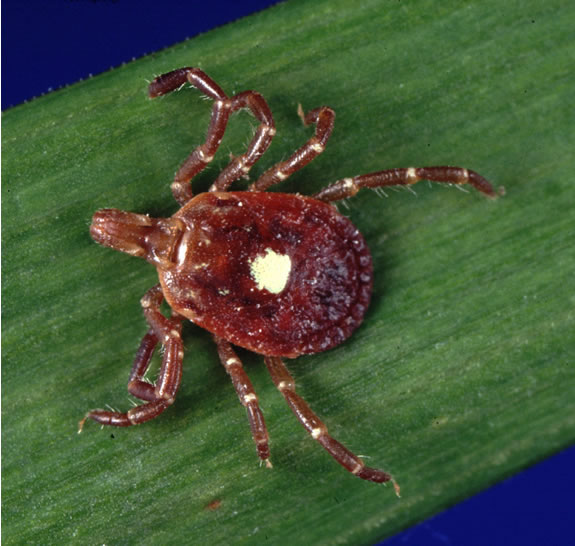
The lone star tick, identified by a white spot on its back, is the most abundant species in the state, however, the blacklegged (deer) tick acts as the primary carrier of Lyme disease. Blood-feeding blacklegged females can be recognized by their dark orange bodies.
The odds of contracting Lyme disease in Georgia are far less than in other areas of the country, particularly the Northeast.
In 2021, Georgia’s Lyme disease rate was found to be 0.33 cases per 100,000 people, which makes the region a “low-incidence jurisdiction,” according to the Georgia Department of Public Health.
“The primary reason that we don't have a big problem with (Lyme disease) is thought to be related to the fact that the larval ticks will get on lizards,” said Gray, an Oglethorpe County resident. “In the Northeast, the early instars (a developmental stage) get on mice, and they’re great hosts for the bacteria that causes Lyme disease.”
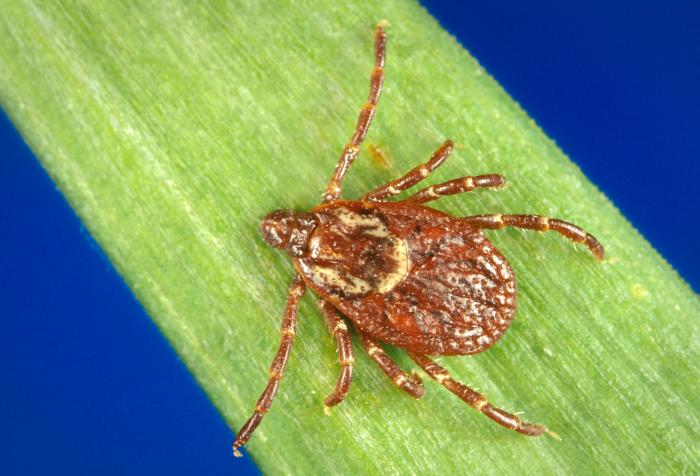
The American dog tick, identified by its variegated brown and white coloration, is the primary vector of Rocky Mountain spotted fever (RMSF).
RMSF is another bacterial disease spread via tick bites that can cause fever, muscle pain and vomiting.
In order to prevent bites and infection, people who spend time in high-risk areas should be vigilant and proactive, Gray said.
“If you’re an outdoorsman, you don’t want grass brushing against your legs and waist,” he said. “The ticks will be on the end of blades of grass waiting for a deer or dog to come by. They call it ‘questing.’ ”
Those working in areas of vegetation are urged to wear clothing that fully covers skin from the waist down, in addition to using highly-effective EPA-approved repellents.
Comprehensive tick checks are also recommended after spending time outdoors. If a tick has attached itself to flesh, early detection and removal are key.
“It takes about 24 hours of the tick being attached before it will transmit a pathogen,” Gray said. “(A check) is a really, really good way to take precaution. At night, when you shower, check yourself over — under your arms, back behind your arms, around your waist, at your hairline, across the back of your neck and above your ears.”