
Oglethorpe County residents have traditionally faced one of the highest incident rates of domestic violence in Georgia, and some of the fewest resources to escape it.
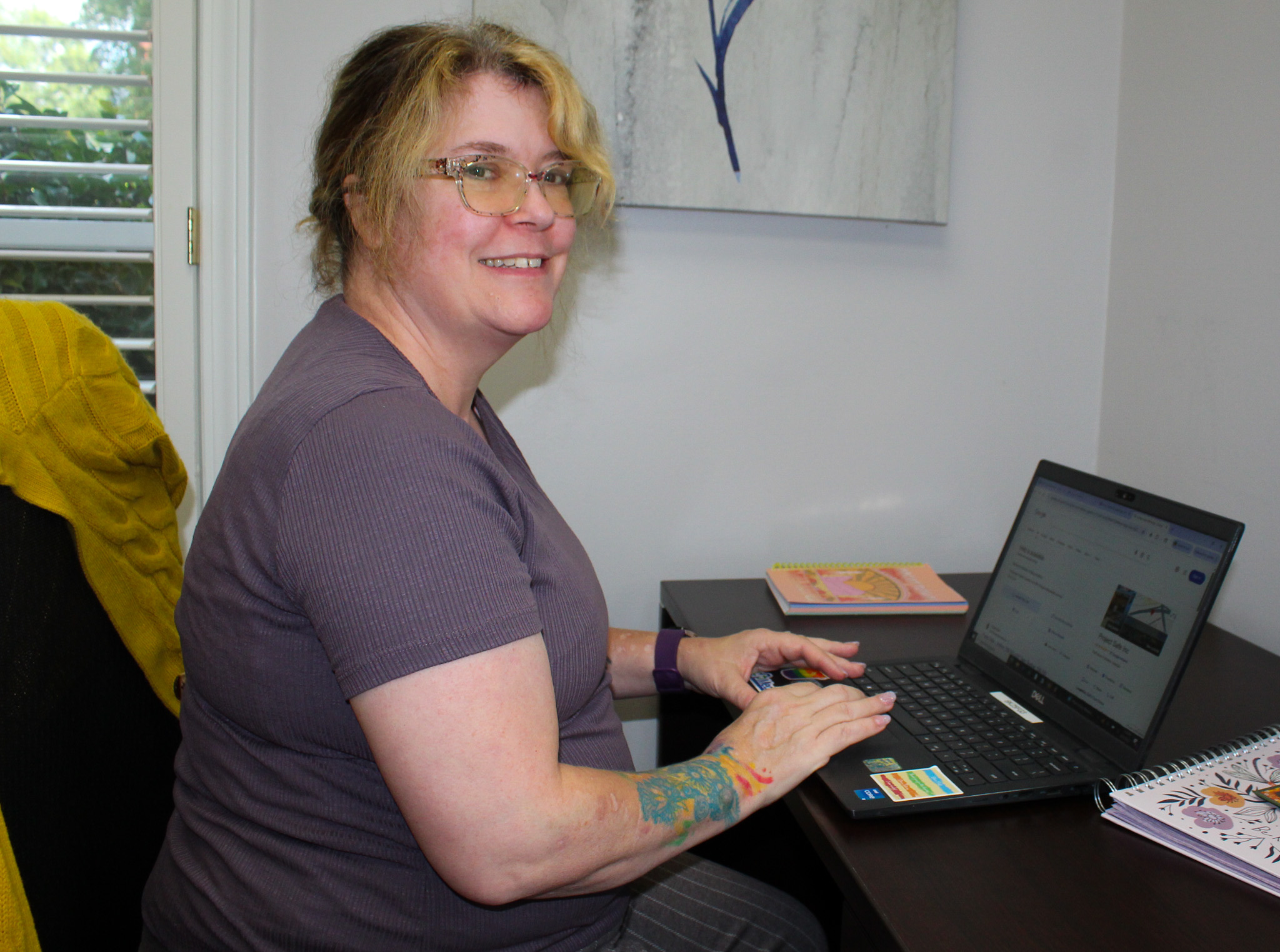
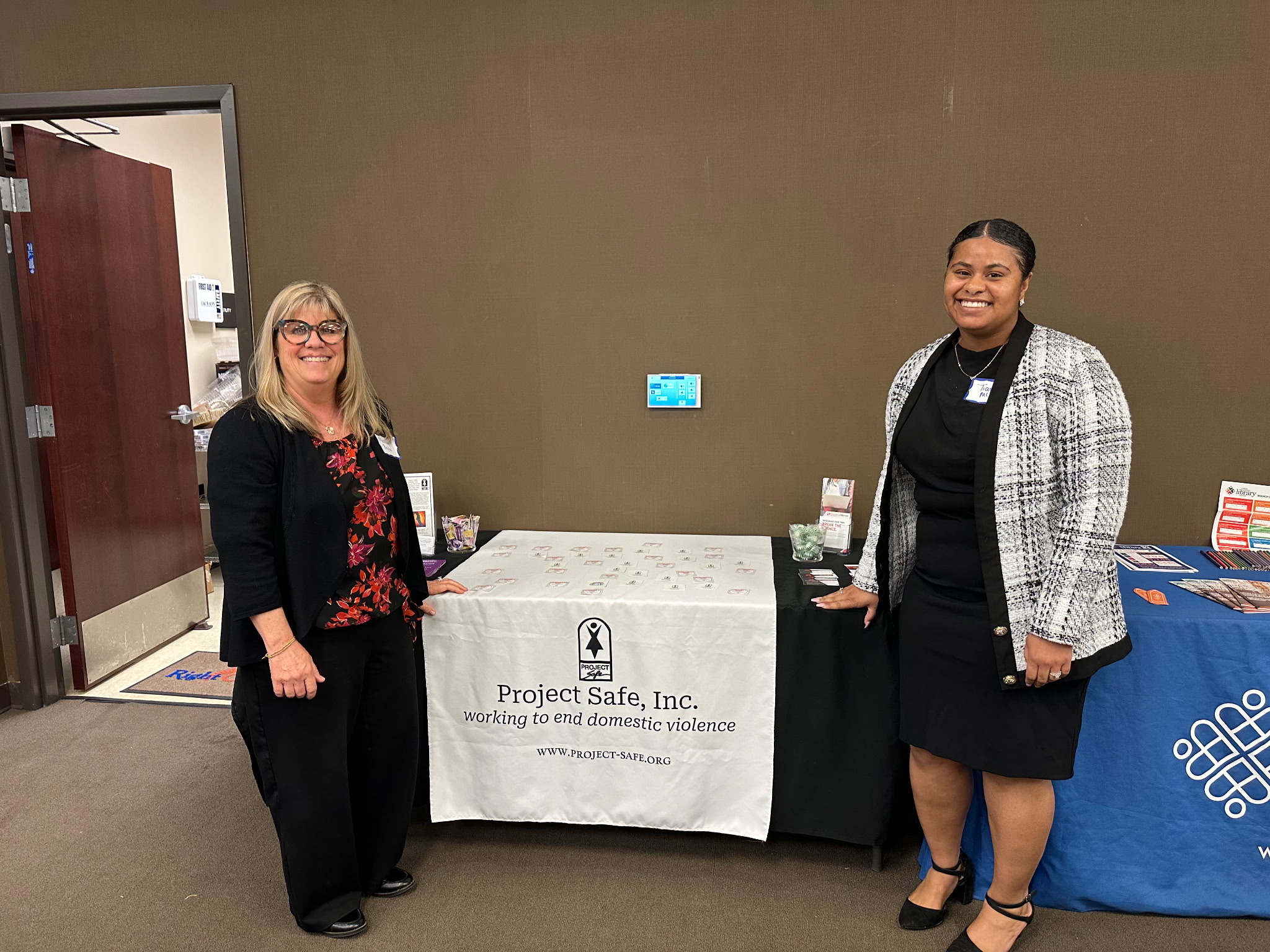
“It’s a big county, but it’s very spread out. There’s a lot of isolation,” said Patricia Whatley, a licensed clinical social worker for MedLink serving Oglethorpe and Athens-Clarke counties.
That isolation and lack of services show up in the numbers.
Oglethorpe County is part of Georgia’s 10th Judicial District, which received 38,883 family violence incident reports from 2013-17. Even within this high-reporting district, the county’s rates stand out.
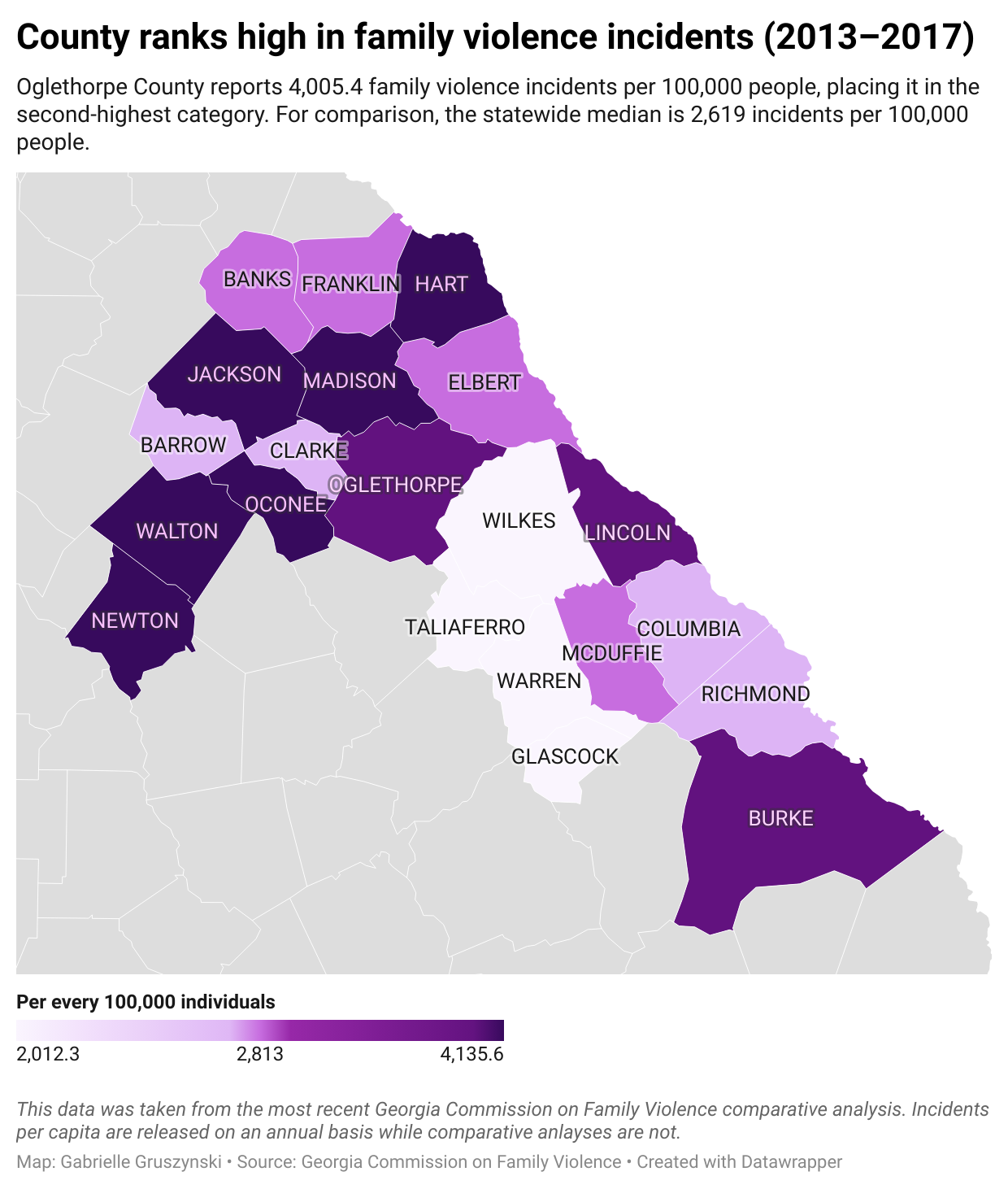
According to the Georgia Commission on Family Violence, Oglethorpe falls into a “tier two” category reserved for communities with smaller populations but disproportionately high rates of family violence.
From 2013-17, the county reported about 600 family violence incidents, roughly 4% of its 15,000 residents. This rate (4,005.4 per 100,000 people) is higher than the state median of 2,619 per 100,000 individuals.
“We have the least amount of temporary protective orders (per case) filed there (Oglethorpe County) than the other two counties I serve,” said Tiana McRae, a legal and community advocate for Project Safe, serving Oglethorpe, Oconee and Madison counties.
The trend has continued in recent years.
Between 2018-21, Oglethorpe County recorded 46 temporary protective orders, equivalent to a rate of 1,337 per capita. Just 37% of these requests were extended, underscoring the difficulty survivors might face in seeking legal protection.
Those challenges stem from barriers common in rural communities.
“Transportation is a big issue,” Whatley said. “Connectivity is a big issue, as far as (the) internet. And, again, community support is a big issue.”
Oglethorpe County doesn’t have a certified domestic violence shelter and or a local crisis hotline, leaving survivors with few immediate options for support or emergency housing.
Project Safe, one of the closest domestic violence shelters, is in Athens. McRae said that distance, combined with families often relying on a single income, leaves survivors feeling trapped.
Lacking adequate local services or transportation, victims may face challenges with court attendance, counseling and safe housing.
Despite these challenges, local providers are working to build bridges.
McRae visits the county courthouse monthly to review protective order filings and connect with the Sheriff’s Office and judges.
Project Safe works to maintain a presence in Oglethorpe County, too. The nonprofit runs a weekly domestic violence support group at 6 p.m. Mondays. It’s also launched creative programs.
“We have different events where survivors can participate,” McRae said. “We have ‘Through an Open Window,’ which is a painting session. We open it to the community, but if a survivor wants to come back and speak, they can do that.”
Whatley estimates that a quarter of her clients in Oglethorpe County discuss domestic violence or related crises on an annual basis. However, she suggests many incidents remain unreported, citing stigma and lack of awareness.
For Whatley, progress depends on breaking the silence.
“It’s important for people to get to know their community and their surrounding communities,” Whatley said. “As difficult as the subject (domestic violence) is, if we can find a way to talk about it, it’s really just the nature of this. This should not be normalized or hidden.”