

The Crawford City Council unanimously approved changes to its procurement policy during Tuesday night’s council meeting, aiming to clarify bidding requirements and strengthen oversight on city contracts.
The changes come as the city prepares to use a state-awarded grant for major water infrastructure upgrades.
The revised policy establishes new guidelines for awarding contracts, specifying that awards will be made to the “most qualified bidder” rather than the lowest bidder.
Council members agreed that focusing on quality over cost would ensure better long-term value for the city.
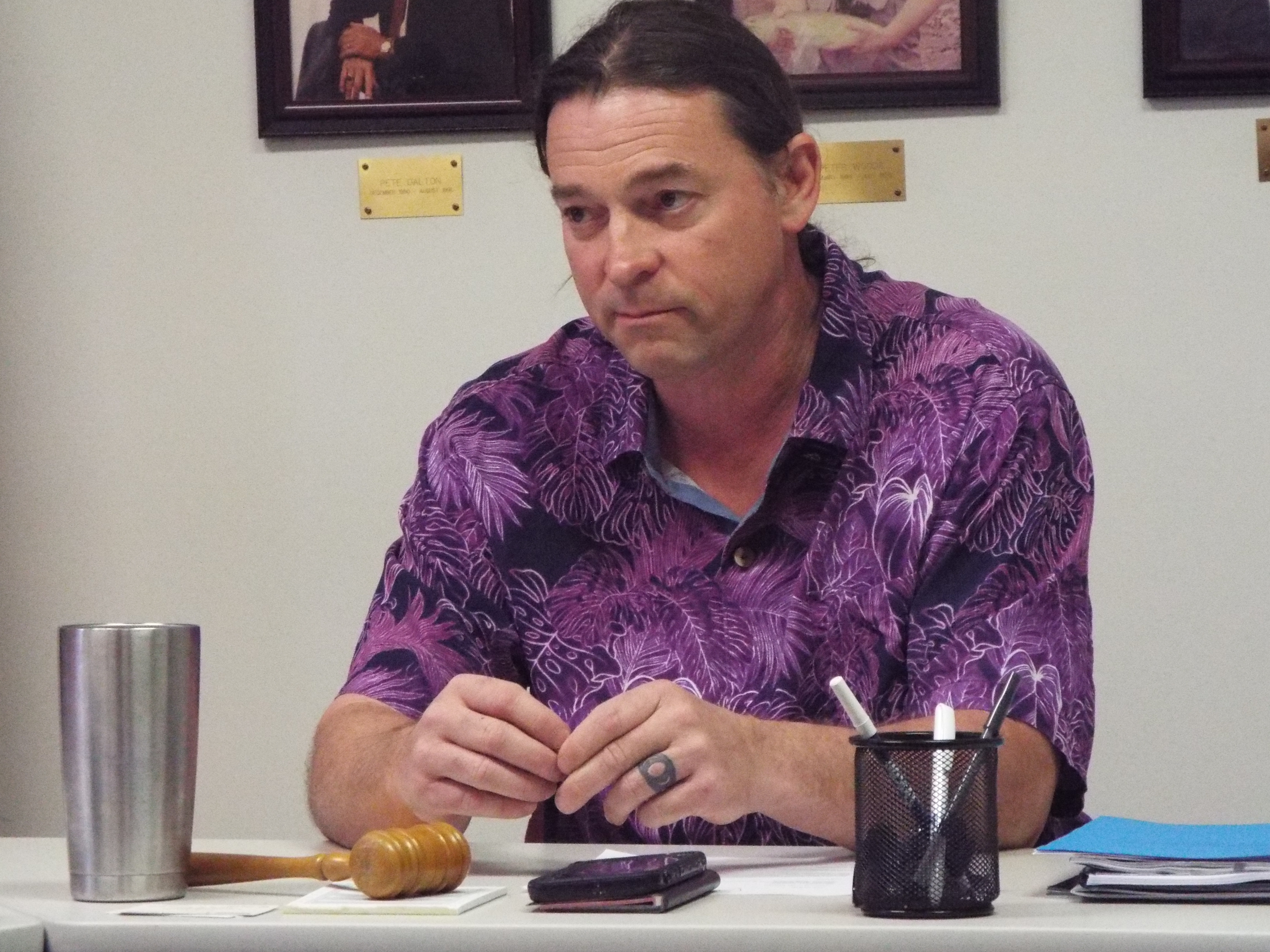
“I’m not a fan of awarding contracts to the lowest bidder,” Mayor Seavy O’Neal said. “It should go to the most beneficial option for the city, not necessarily the cheapest.”
Under the updated policy, contracts valued between $500 and $5,000 will follow a streamlined approval process. Larger purchases will require council approval, and a firm-fixed price contract will be issued in writing to the winning bidder.
Council members also discussed the need for more detailed work breakdowns in bids. Moving forward, bid documents will require contractors to specify costs.
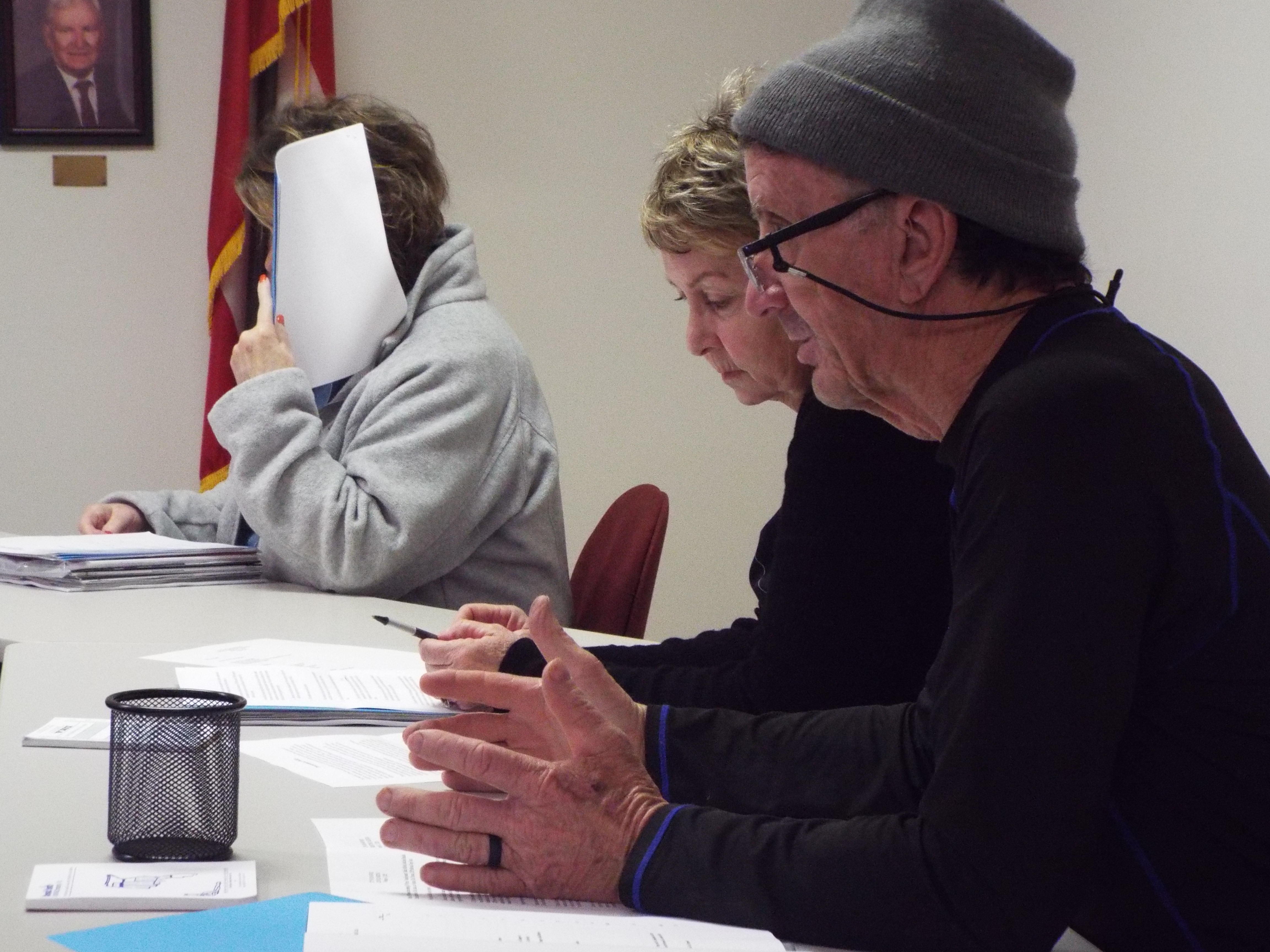
“If someone is bidding on a project like the shed we put up, I want to see exactly how much they’re charging for each part of the job,” council member Sandra Sheridan said.
Council members emphasized the importance of specifying product quality in bids to avoid discrepancies between brands and performance. The city previously saved nearly $9,000 by switching suppliers for pumps used in the water plant.
“We were being charged about $27,000, but found another company with a different brand for around $18,000,” council member Johnny Shedd said.
The updated procurement policy comes as Crawford prepares to spend state-awarded grant funds, with $5 million earmarked for water plant upgrades.
City clerk Amy Wall-Lance confirmed that the grant was awarded some time ago, but funds haven’t been collected.
Water bills increased last summer for both residential and commercial customers to meet repayment requirements for a loan tied to the water plant project. The U.S. Department of Agriculture (USDA) required the city to raise rates as part of that loan agreement.
“Businesses have historically enjoyed residential rates,” Wall-Lance said. “With this change, businesses will now pay more because they can pass off the excess costs, whereas residential customers cannot.”