
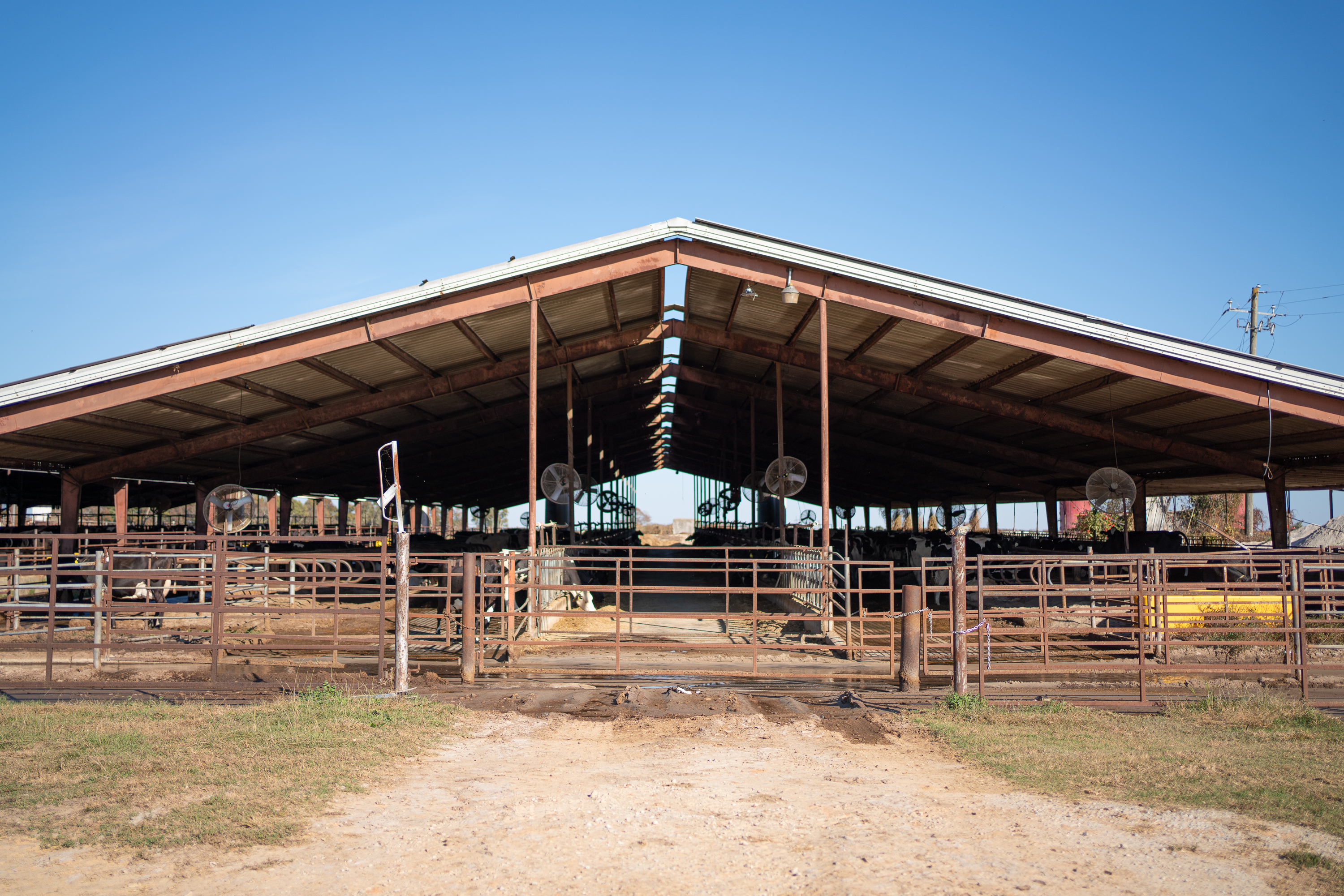
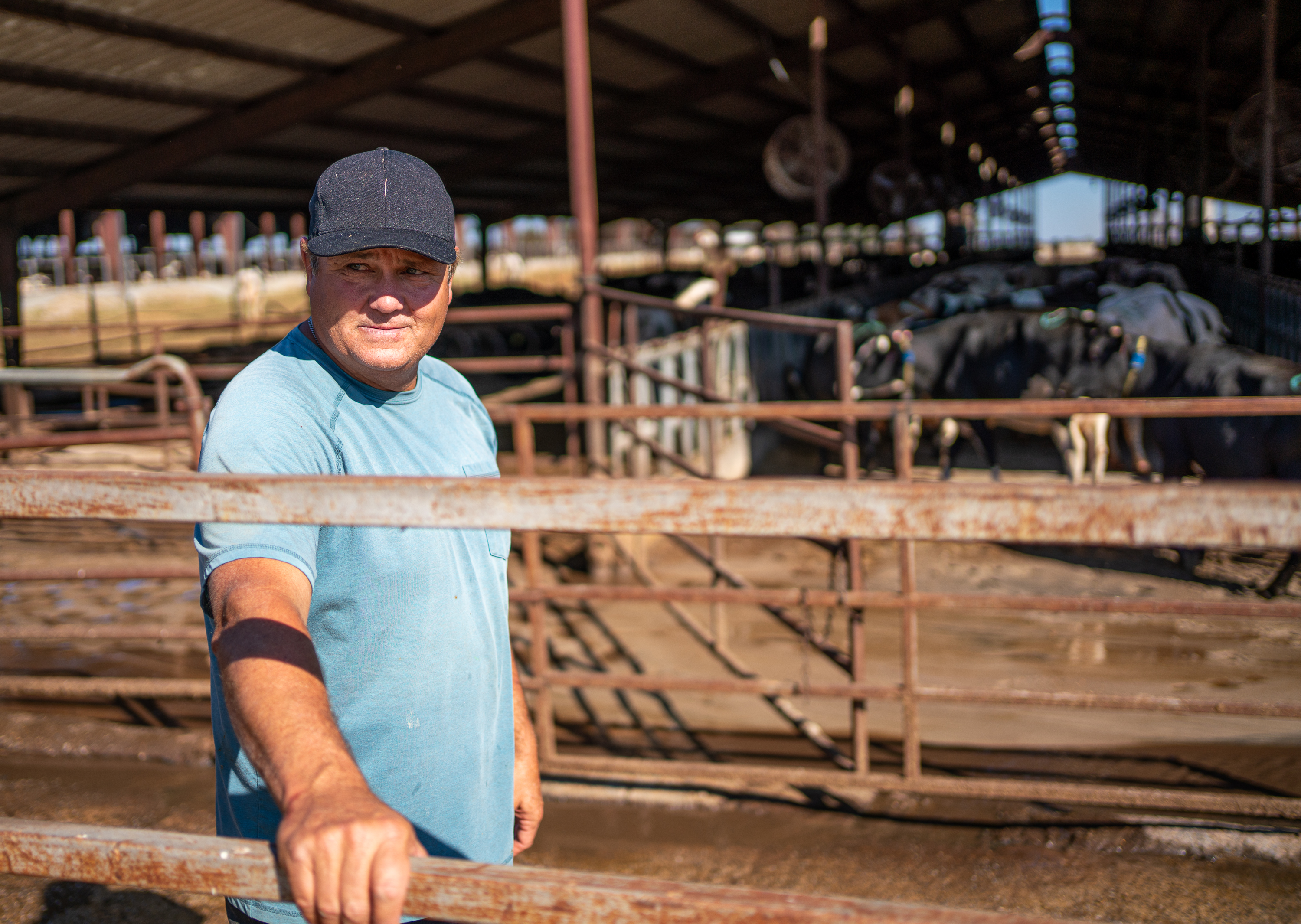
At the same time every day, seven days a week, Jim Cabaniss can be found at work on the organic dairy farm he owns and operates along with his brother, Jon, in Stephens.
“We run 24/7. Cows never take off,” Cabaniss said after another day in which Cabaniss Dairy produced roughly 7,000 gallons of milk.
Despite the workload, the crew at the farm makes the work look routine, largely thanks to a unique technique for milking cows: A 60-cow rotor from New Zealand, Cabaniss said.
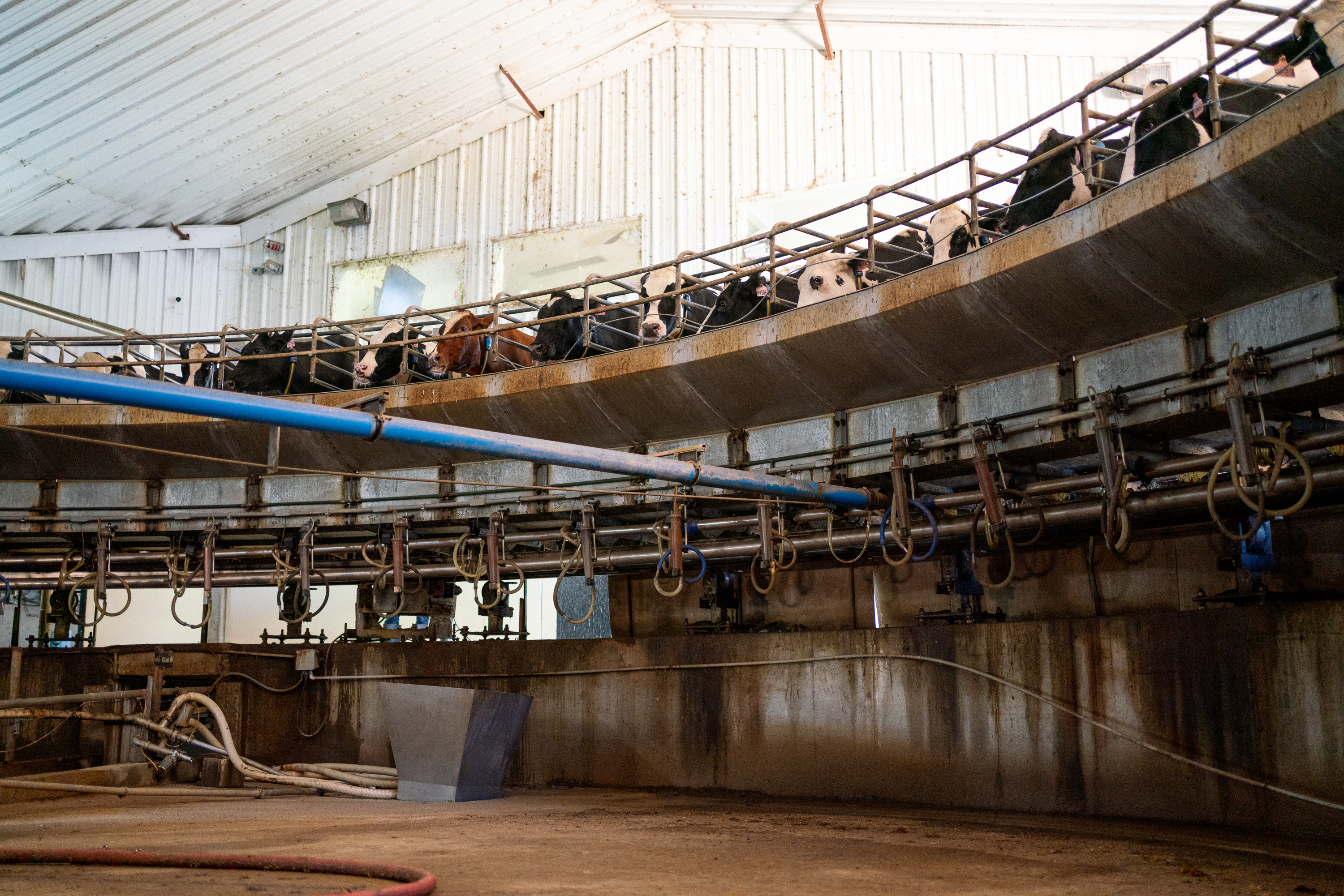
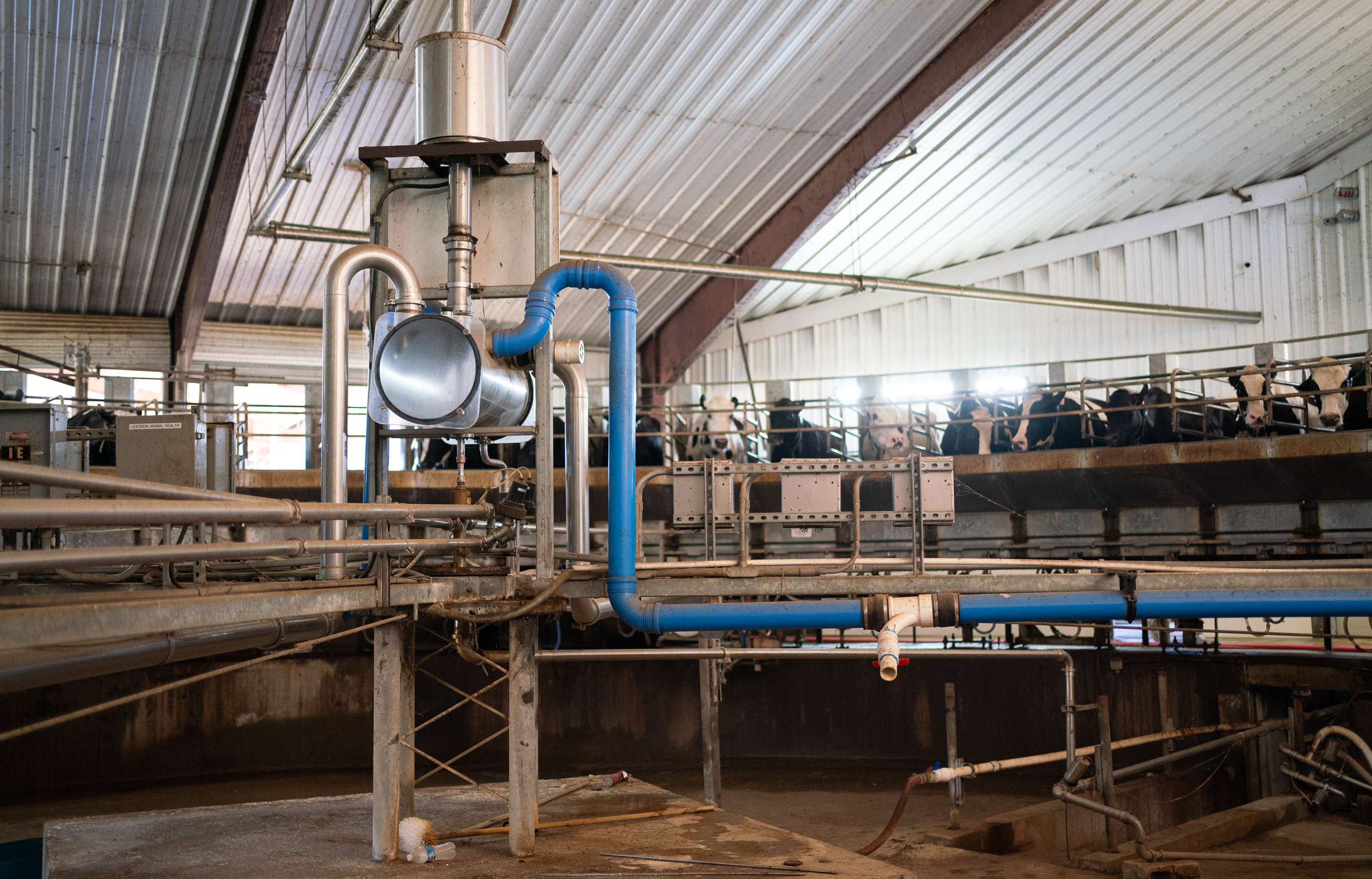
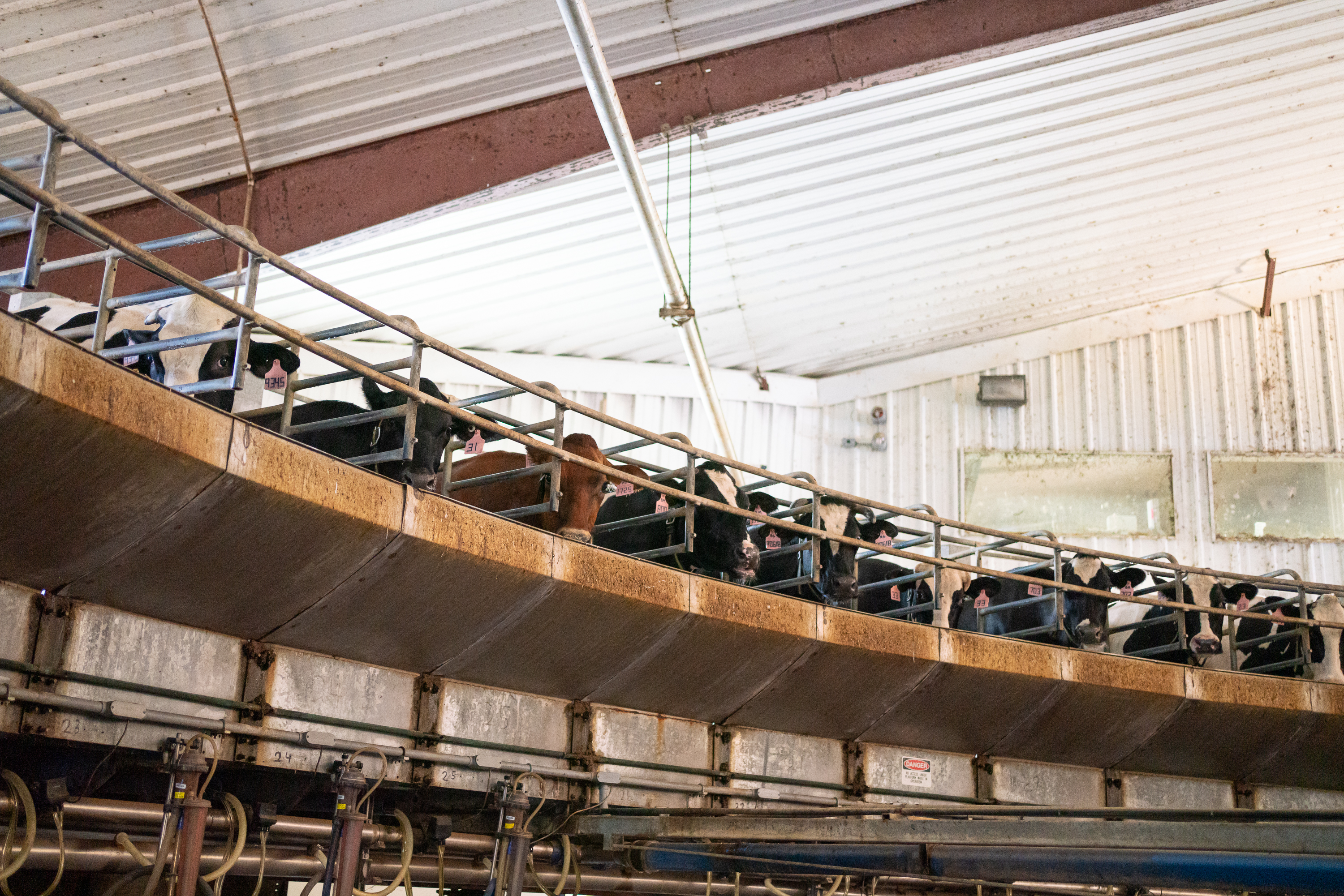
The “rotary milking parlor” has revolutionized mass milk production. It is a large circular machine, that cows step onto to be moved counterclockwise in carousel fashion while getting milked.
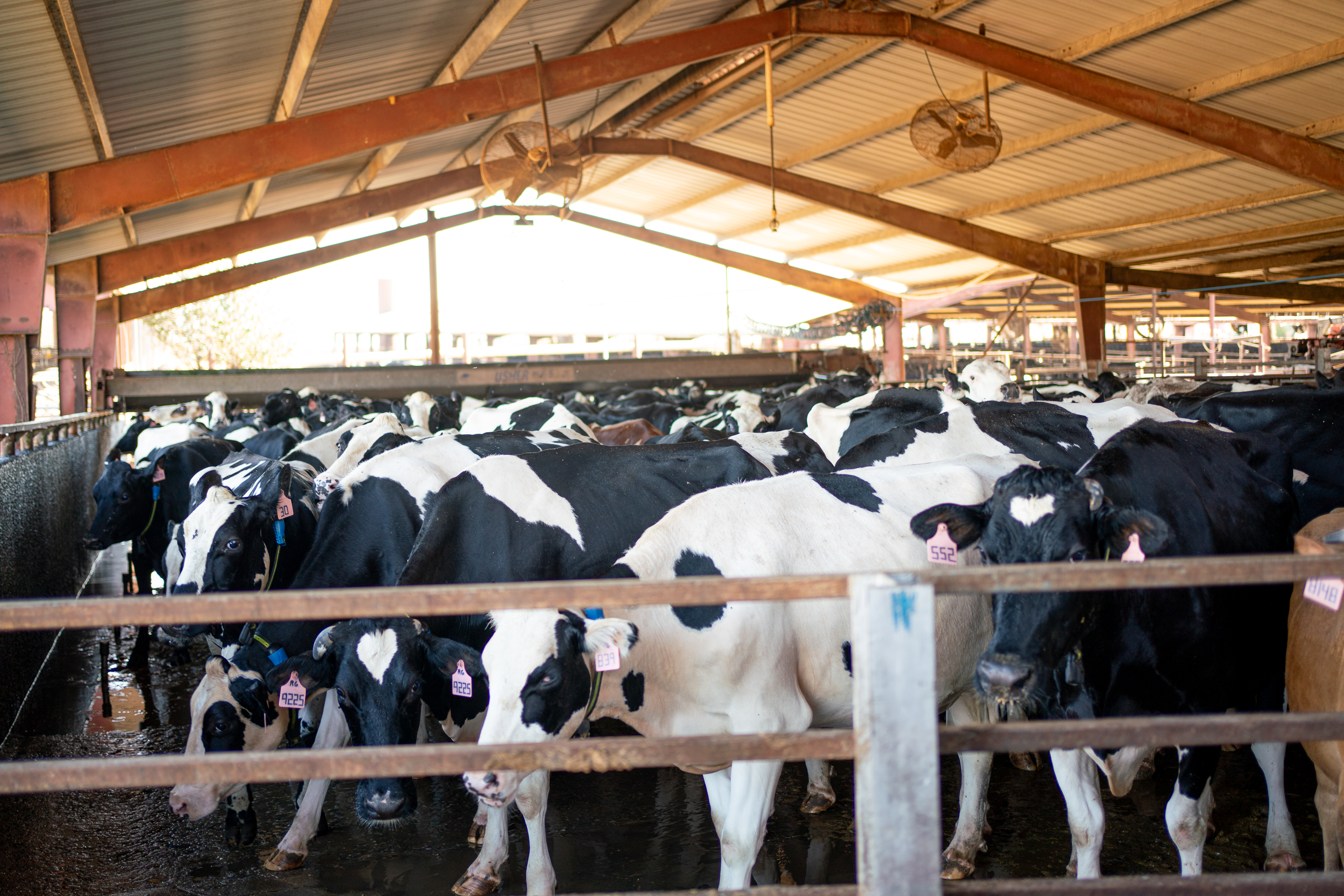
The technology allows the farm, which has about 15 employees, to milk 300 cows an hour. With nearly 1,500 cows needing to be milked per day, the rotor is crucial for getting everything done in a timely manner, according to Cabaniss, who said they would “never” get done milking without it.
Cows are led into the milking area in groups, and from there, it’s clear they know what to do. The cows line up and, one after another, they step onto the spinning rotary parlor.
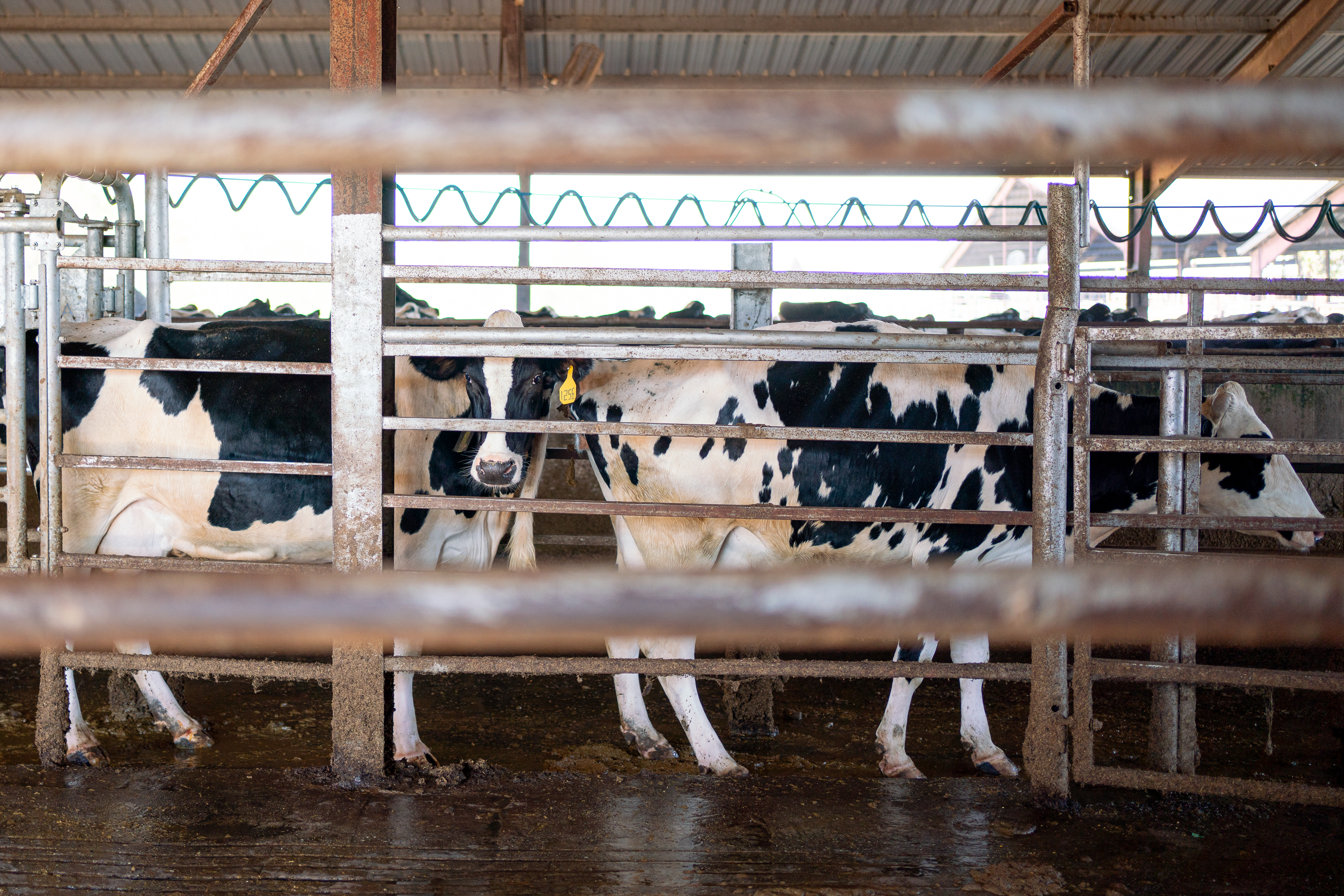
“It doesn't stop turning,” Cabaniss said. “They get on and off with it moving.”
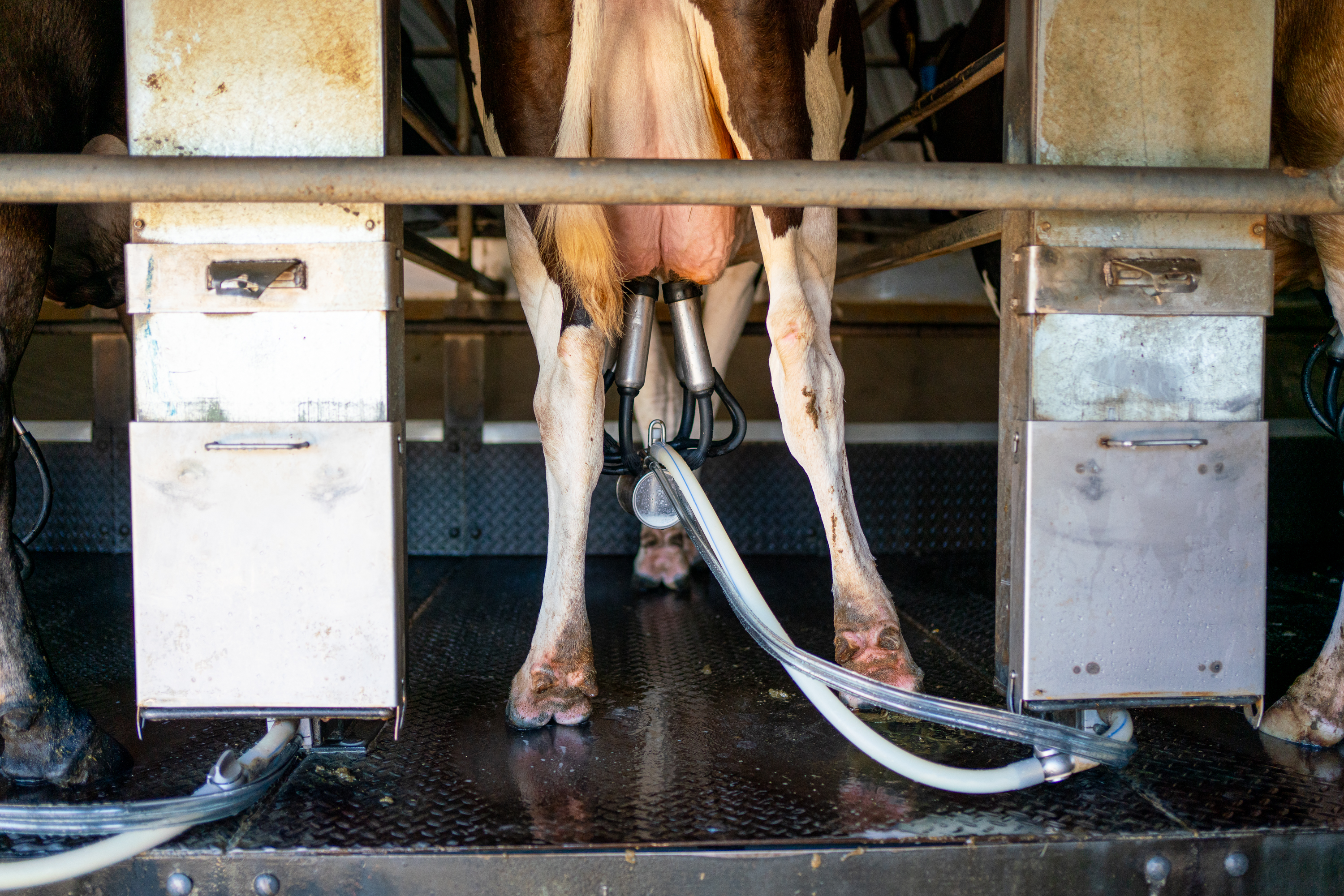
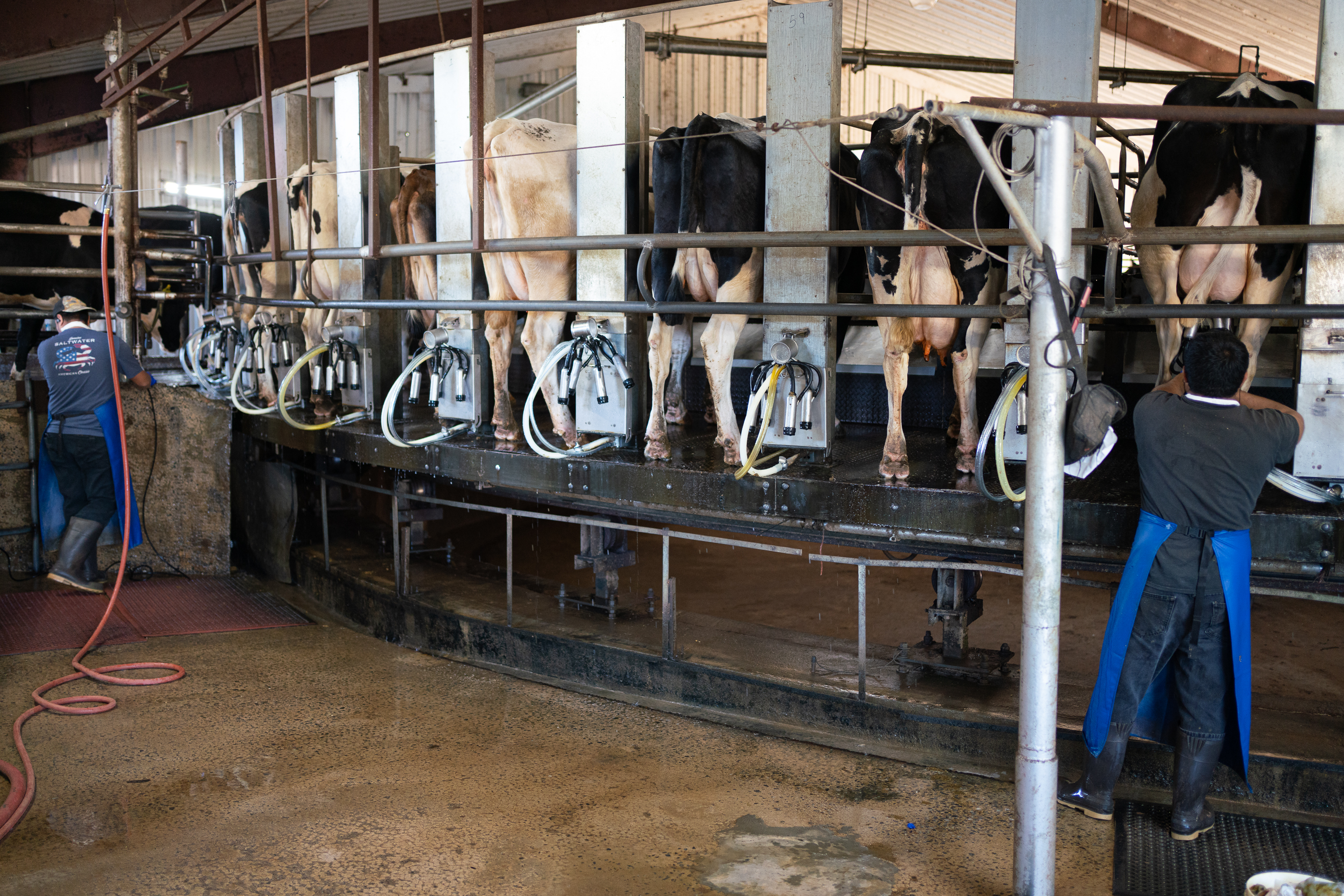
A worker then attaches milking machines to the udders at the start, while another worker removes them at the end. The cows are fully relaxed, having grown accustomed to the experience, and instinctively know to back off of the machine at the end.
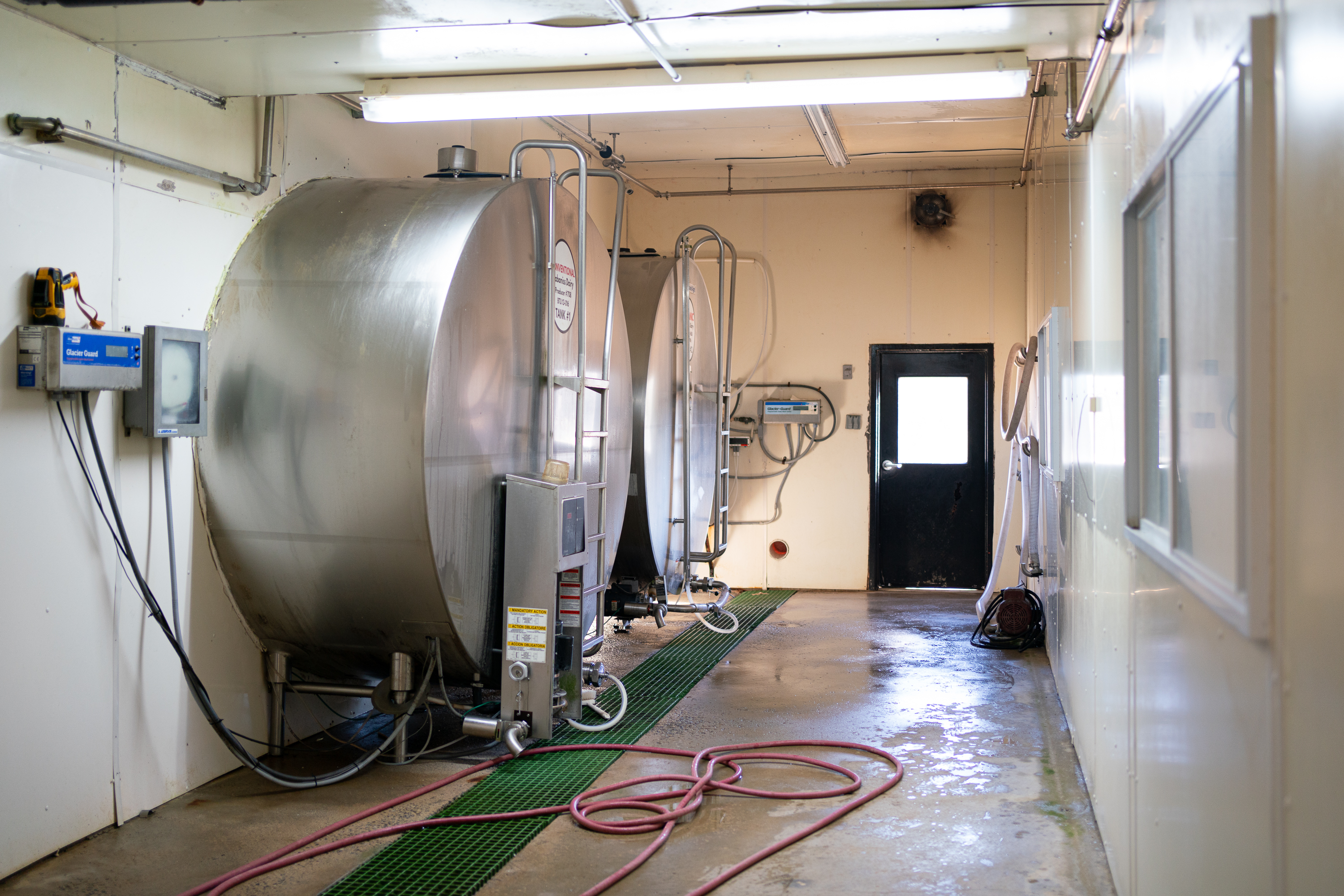
All the while, the milk is sent from the rotary parlor to a machine that chills it, before finally going into a holding tank to be picked up later that day.
Although the milking process is streamlined, the work to be done on the farm goes beyond milking.
All of the organic cow feed is grown and produced on-site, and a majority of the cows are bred and raised there, allowing the farm to retain full control of the organic lifestyle of the livestock.
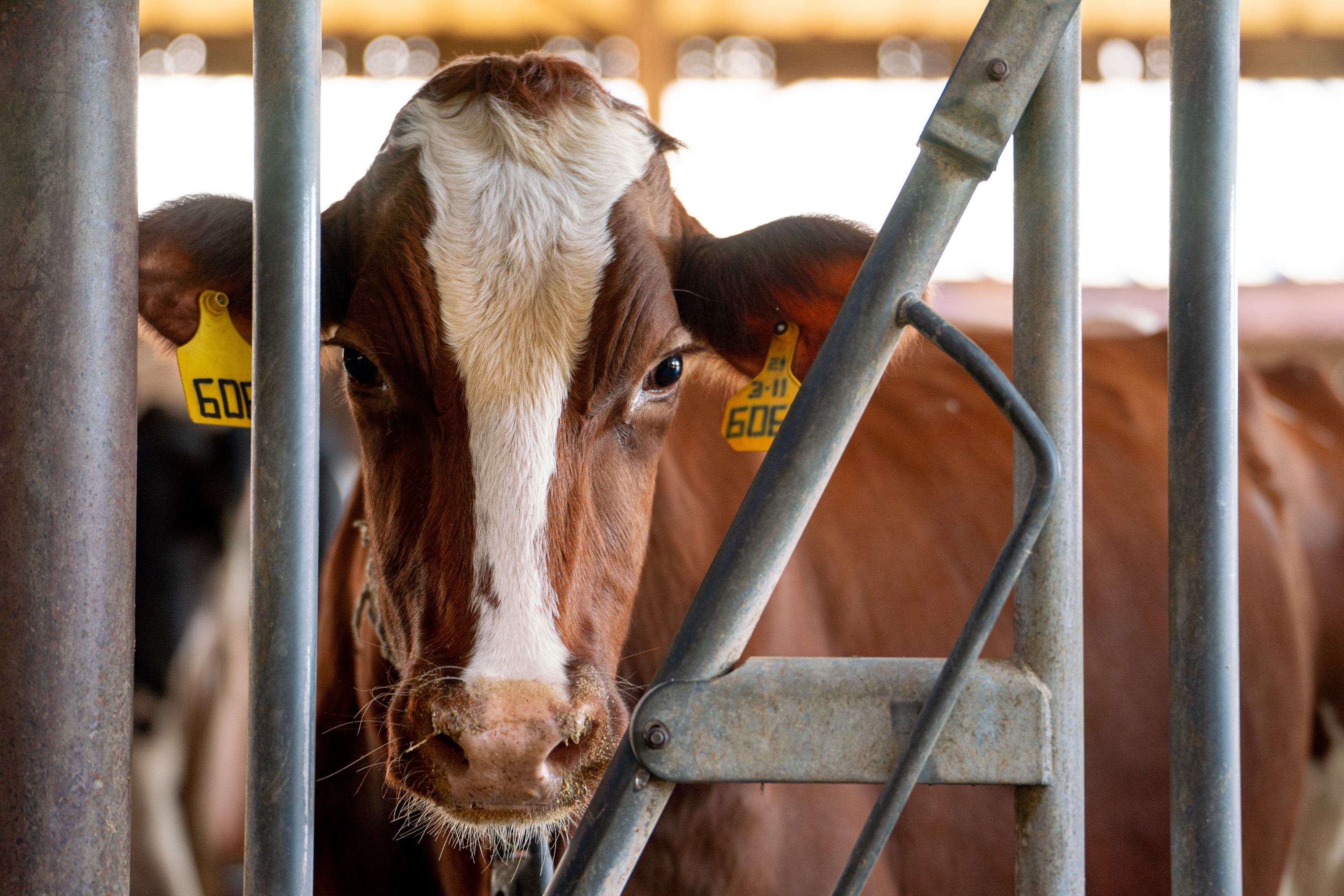
The farm has also implemented a “SCR system,” Cabaniss said, which monitors the cow’s well-being, nutrition and reproductive health through computerized collars on their necks.
“It’s one of the greatest tools in the dairy business today,” Cabaniss said, adding that dairy cows require delicate care.
The collars track the cows’ cud chewing, which helps the farmer to make sure they’re healthy. They also detect heat, which can let the farmer know when a cow is ready to be bred.
Despite the added costs and around-the-clock work schedule, Cabaniss Dairy remains dedicated to organic farming.
Organic milk, which is known as a natural, non-GMO dairy option with higher standards for animal welfare, must be produced with organic farming methods. According to the U.S. Department of Agriculture, “The organic cow cannot be given growth hormones or antibiotics, and its feed must be 100 percent organic.”
Additionally, the land must also be “managed in a way that maintains soil fertility and minimizes erosion, while distinct and defined boundaries make sure prohibited substances don’t come into contact with organic fields.”
Dairy farming on the decline
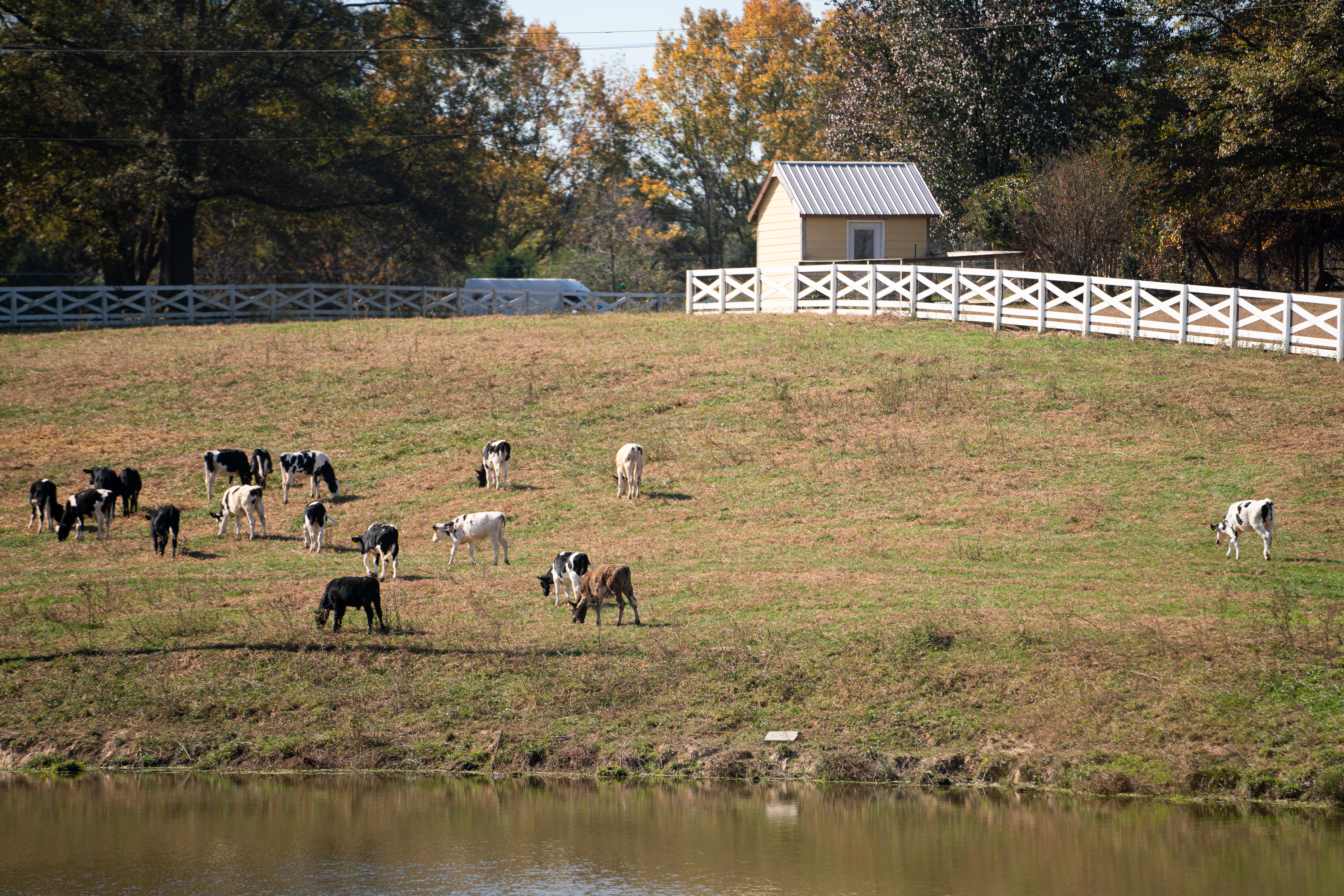
Cabaniss Dairy is under contract with Publix and has solidified its place in the industry, but dairy farming as a whole is on the decline in Georgia.
“Dairy farmers are pretty extinct,” Cabaniss said. “We are one of the only organic dairies in the state of Georgia.”
Cabaniss Dairy is also the only remaining dairy farm in the county, he said.
According to a 2020 USDA report, “the number of licensed dairy herds fell by more than half between 2002 and 2019, and the rate of decline accelerated in 2018–2019, even as milk production continued to grow.”
Cabaniss attributes this decline in dairy farming to stricter regulations. That combined with the intense workload of dairy farming has caused many smaller farms to leave the industry.
Despite the decline in Georgia, however, the amount of milk produced per farm has increased. Georgia is home to 89 dairy farms, which produced 235 million gallons of milk in the past year, according to Georgia Milk Producers.
Milk exports have also increased in the state.
Although the barrier to entry into the dairy industry is higher, farms that are innovating, like Cabaniss Dairy, are staying committed to the work.
“Dairy cattle are probably 10 times harder than beef,” Cabaniss said. “With beef, you just put them out in a field and you ain’t gotta worry about them. With dairy cattle, you pretty much have to baby them.”