
How to help horses
If you’re worried about a horse in the county, reach out to ReDux Equine Rescue or Athens Area Horse Community. ReDux is seeking applications for volunteer and adoption coordinator roles, as well as volunteers to feed and check water one day a week. Visit the website for more information.
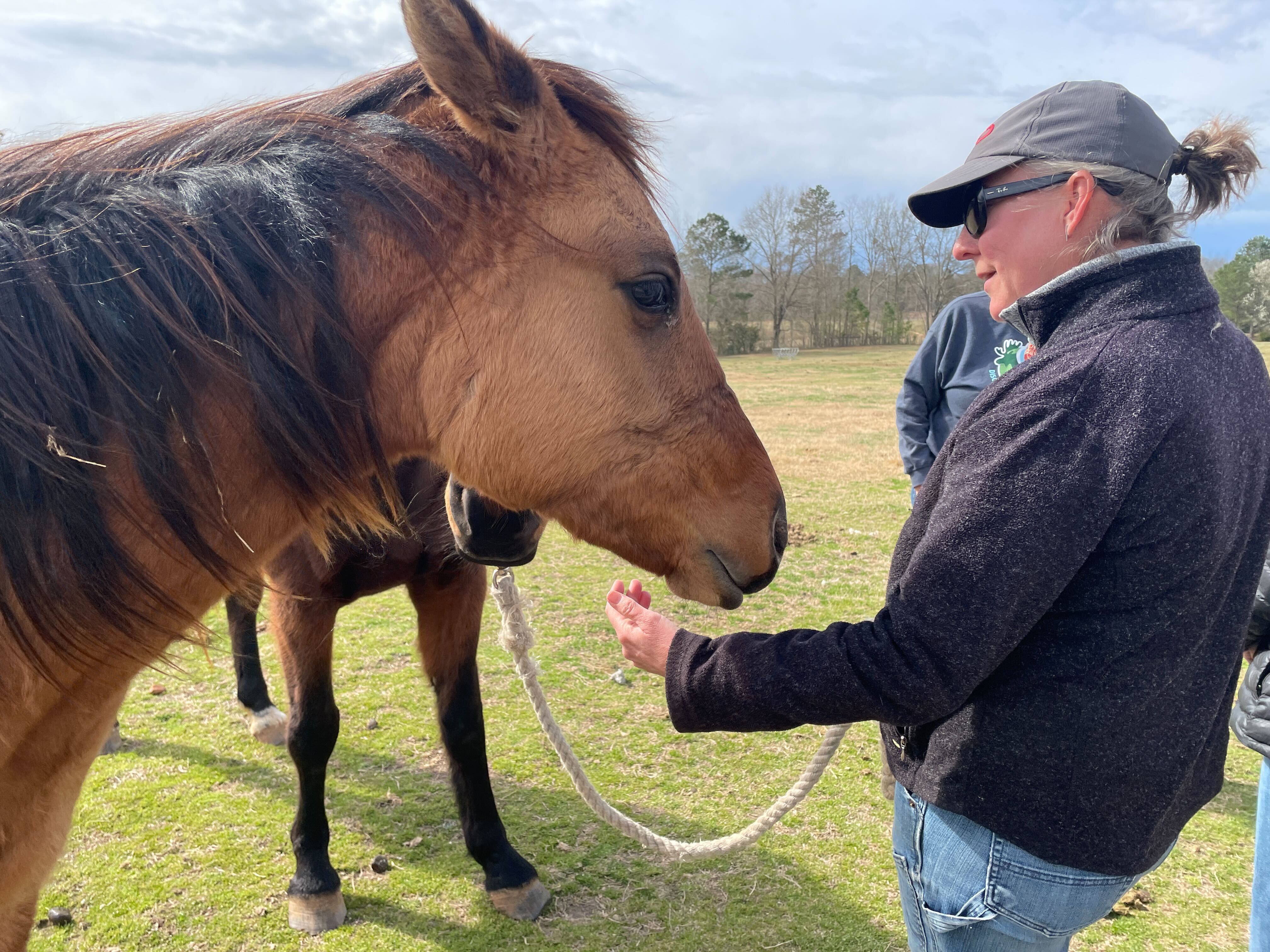
When Paulette Brown left her career in the banking world, she traded one version of stable for another — what is now 600 acres of land in Oglethorpe County and 30 horses who needed rescue.
“I love helping them and being there,” said Brown, founder and director of local nonprofit ReDux Equine Rescue. “The best part, well, it’s watching them kind of exhale and relax after they’ve come through a stressful time.”
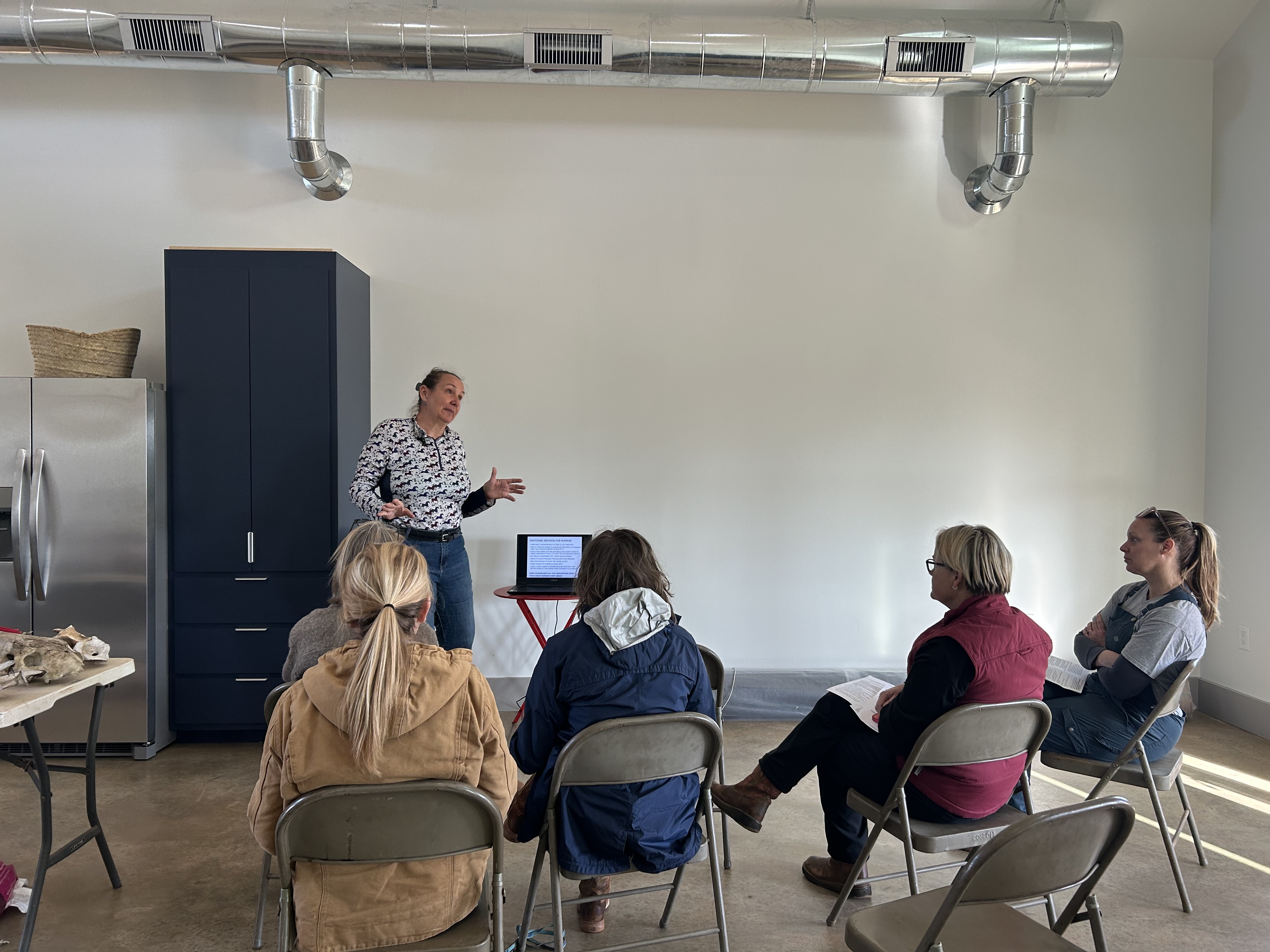
For the past four years, Brown has dedicated herself to rescuing, rehoming and rehabilitating horses in need. On Sunday, her organization opened its gates for an Identifying Equine Abuse and Neglect Seminar, held in collaboration with the Athens Area Horse Community.
The seminar focused on teaching like-minded equine lovers, horse owners, volunteers and local rescuers key tools and skills in recognizing and advocating for equine neglect, particularly in their communities.
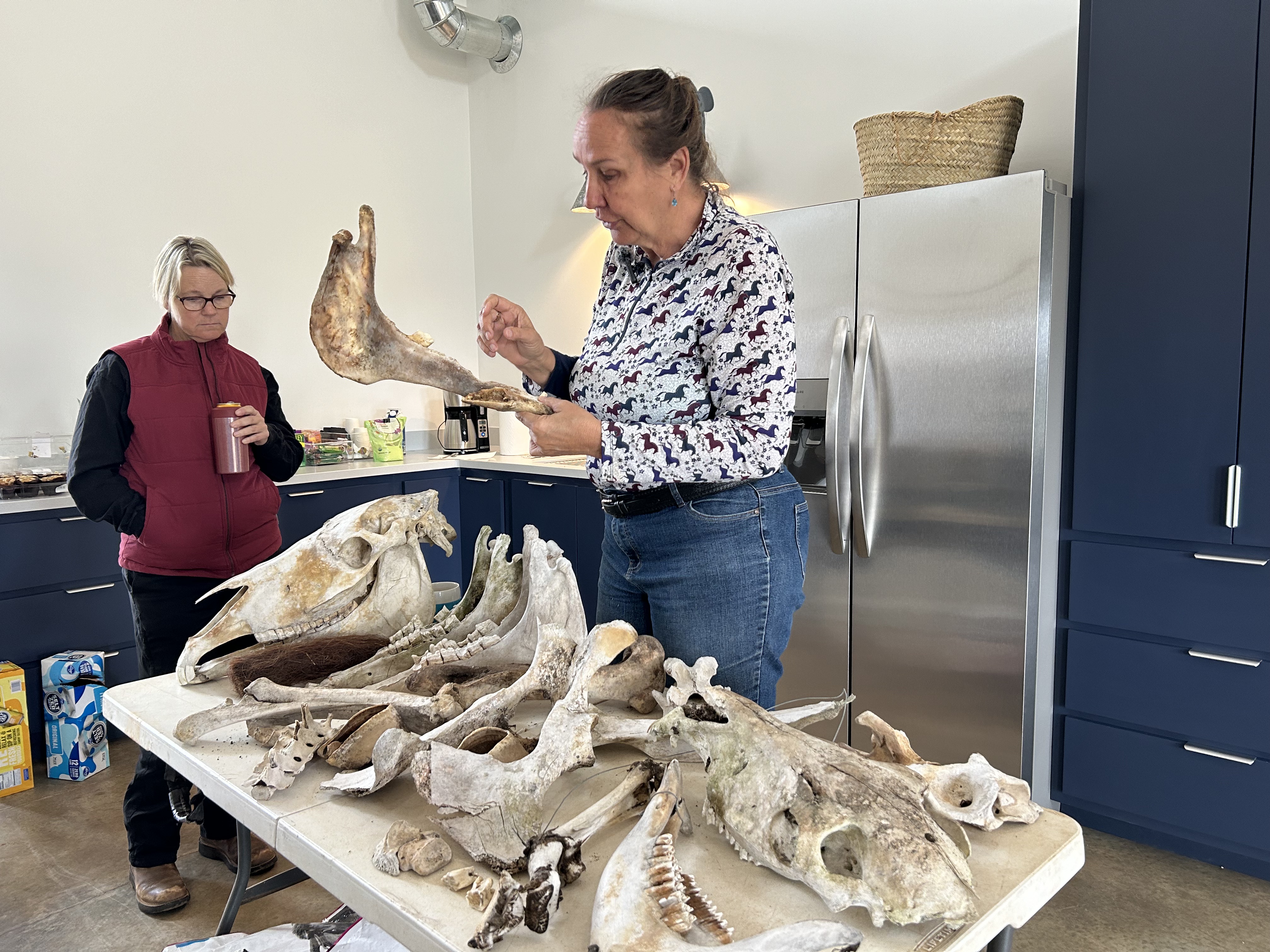
Rebecca Husted, the primary instructor of Technical Large Animal Emergency Rescue (TLAER), spoke about the importance of proper veterinary and owner care in ensuring the well-being of horses. She also addressed the significant time and financial commitments that come with equine ownership.
Meeting an animal’s basic needs is just the beginning.
“Your attention to shelter, safety, food and water and all of those kinds of things, really is care, it’s what we expect,” Husted said. “The excessive standard is welfare, which is freedom, forage, friends — the social and foraging needs.”
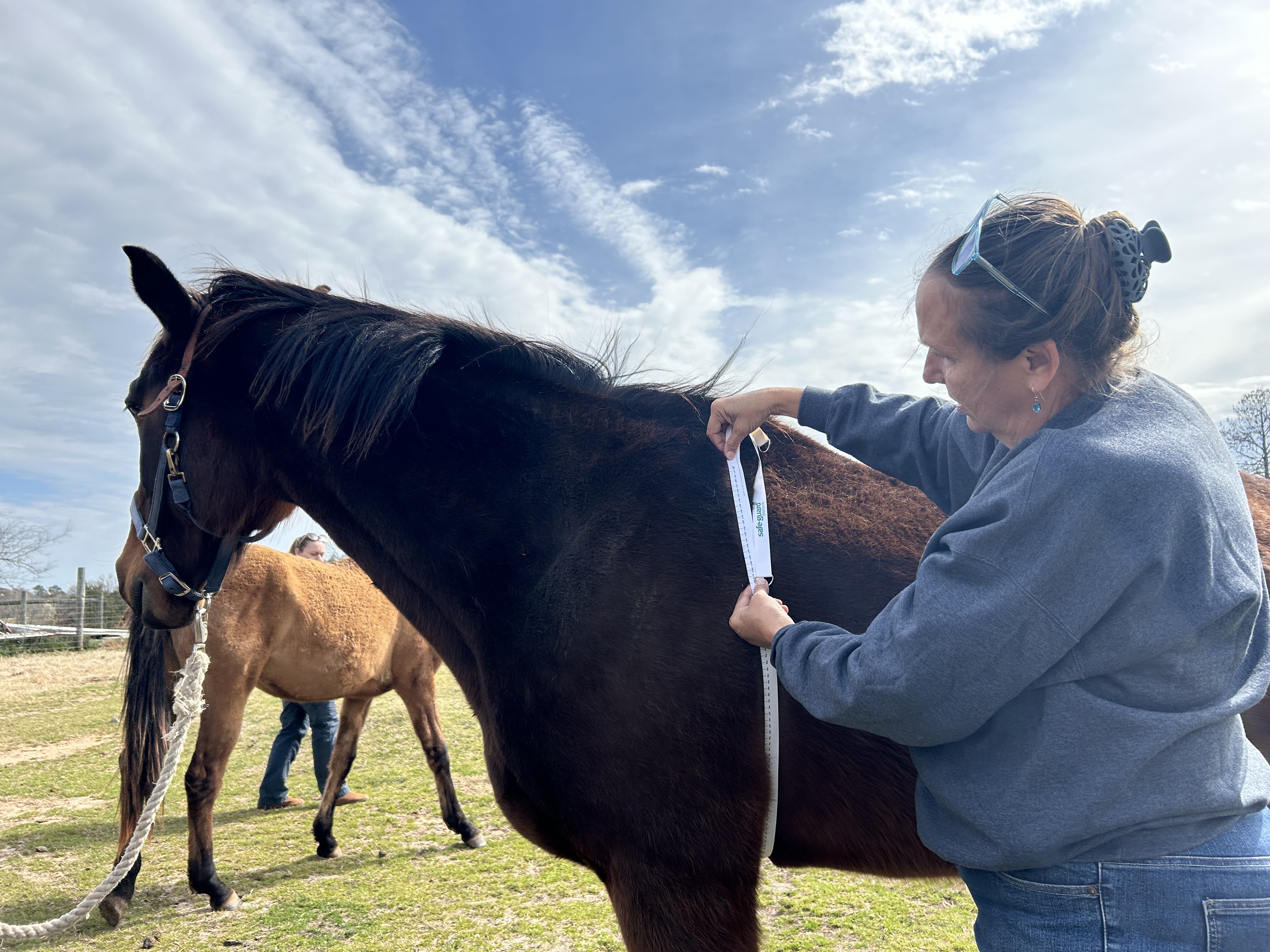
These three principles were the foundation of Sunday’s Identifying Equine Abuse seminar, where the seven participants gained hands-on experience evaluating the rescue horses at ReDux. They practiced using a weight tape, examining markings and physical signs, and assessing weight gain by examining different areas of a recovering horse.
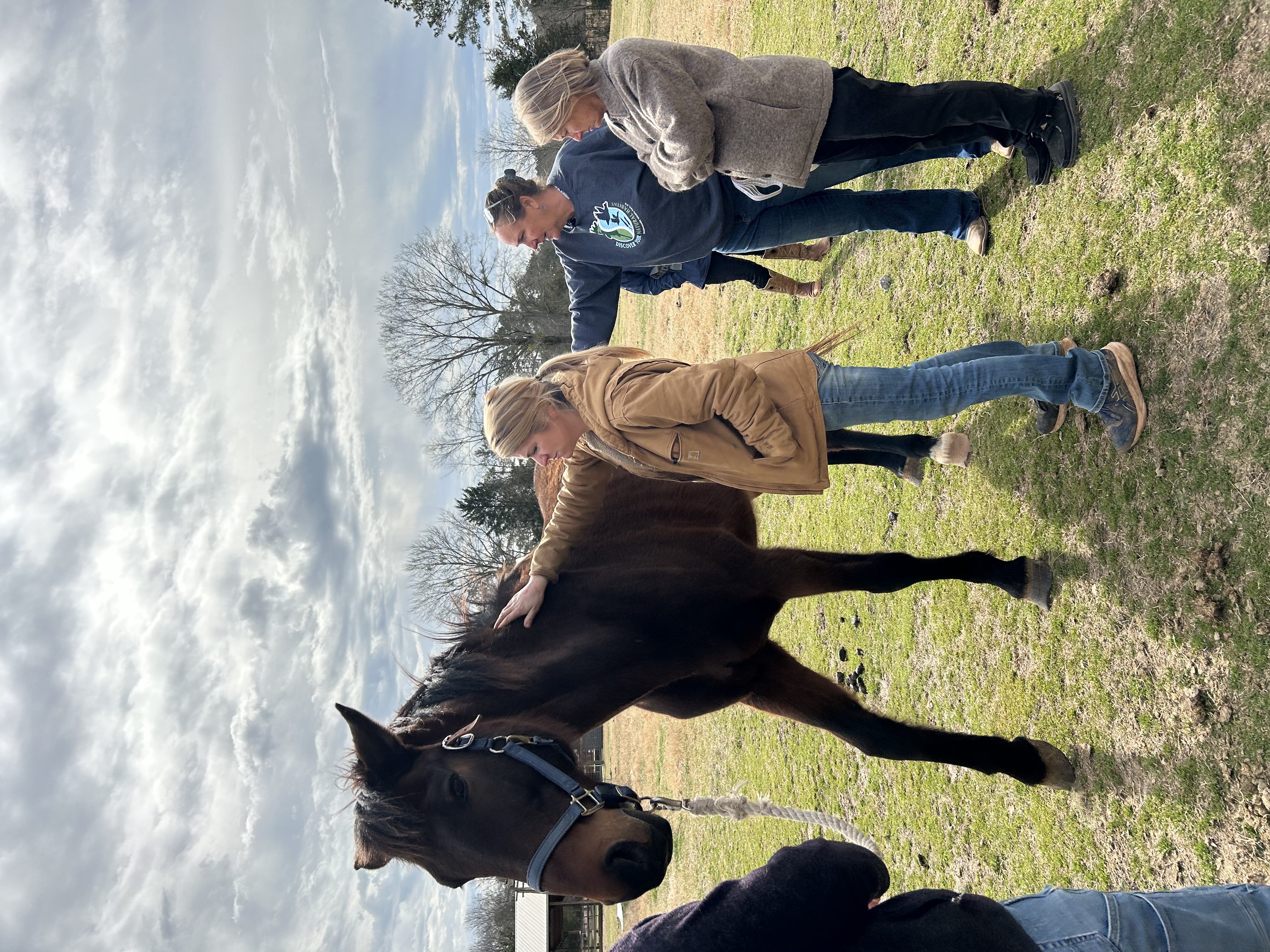
Husted also shared guidelines for horse owners, focusing on how proper feeding can help to prevent neglect and future health issues for horses. The average horse should eat 1.5-2.5% of its body weight daily to stay healthy.
“If you have six horses, you need seven piles of hay, at least 40 feet away from each other,” Husted said.
The seminar emphasized neglect doesn’t always look the way we expect.
“The majority of the horses we have come from owners who get in the tough spots … they’re trying to keep their head above water and figure out which way is up,” Brown said. “And they can’t take care of their horse. Financially, horses deserve a certain amount of care.
“These people all love their horses,” she added. “What means a lot to me is that they trust us to take them on and to make sure they're cared for and to make sure they're protected.”
Like Oglethorpe County, some Georgia counties lack animal control departments, leaving the responsibility of animal care to communities and rescues like ReDux.
This means community members and law enforcement officers, who may not have the proper training or knowledge, are left to handle situations involving equine abuse or neglect.
As a result, the animals can find themselves in distressing conditions without proper intervention.
Brown said ReDux, which is on Mitchell Farm Road, has 30 equines at the rescue, the highest number since its opening, making the knowledge of how to protect and care for them more critical than ever.
The strongest consensus at Sunday’s seminar?
That answer lies in community.
Amanda McCoy, founder and CEO of Athens Area Horse Community, emphasized the importance of sharing resources on topics like hoof care, dental care and proper feeding through conversations in the community or online groups like the organization’s Facebook page.
Horse owners shouldn’t have to struggle through these issues alone.
“Invite them in to join our community because we can answer the questions,” McCoy said. “The idea is to put things into your hands and the hands of your friends so that people have access to the resources.”