
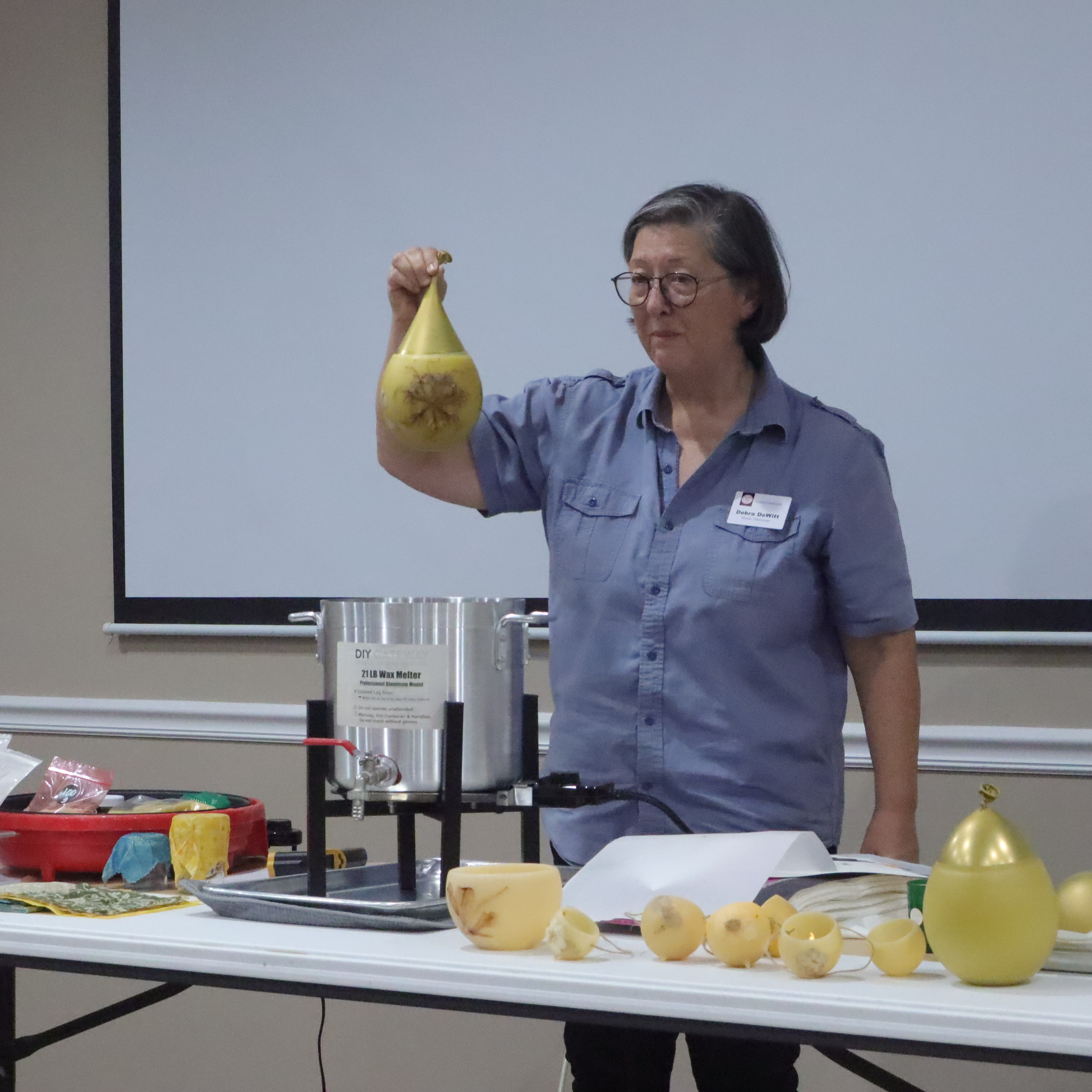
Deb DeWitt said beeswax luminaries can have strong sentimental value.
“I’ve had a couple friends who passed away, so I get the flowers from their memorial service, I dry them and then I embed them into a luminary,” DeWitt said. “Then I can give them back a gift that's personal to them.”
She’s been a beekeeper since 2018, won the 2025 Beekeeper of the Year award and completed a one-year residency with Georgia Tech's Urban Honey Bee Project — although she insisted her creative process is still evolving.
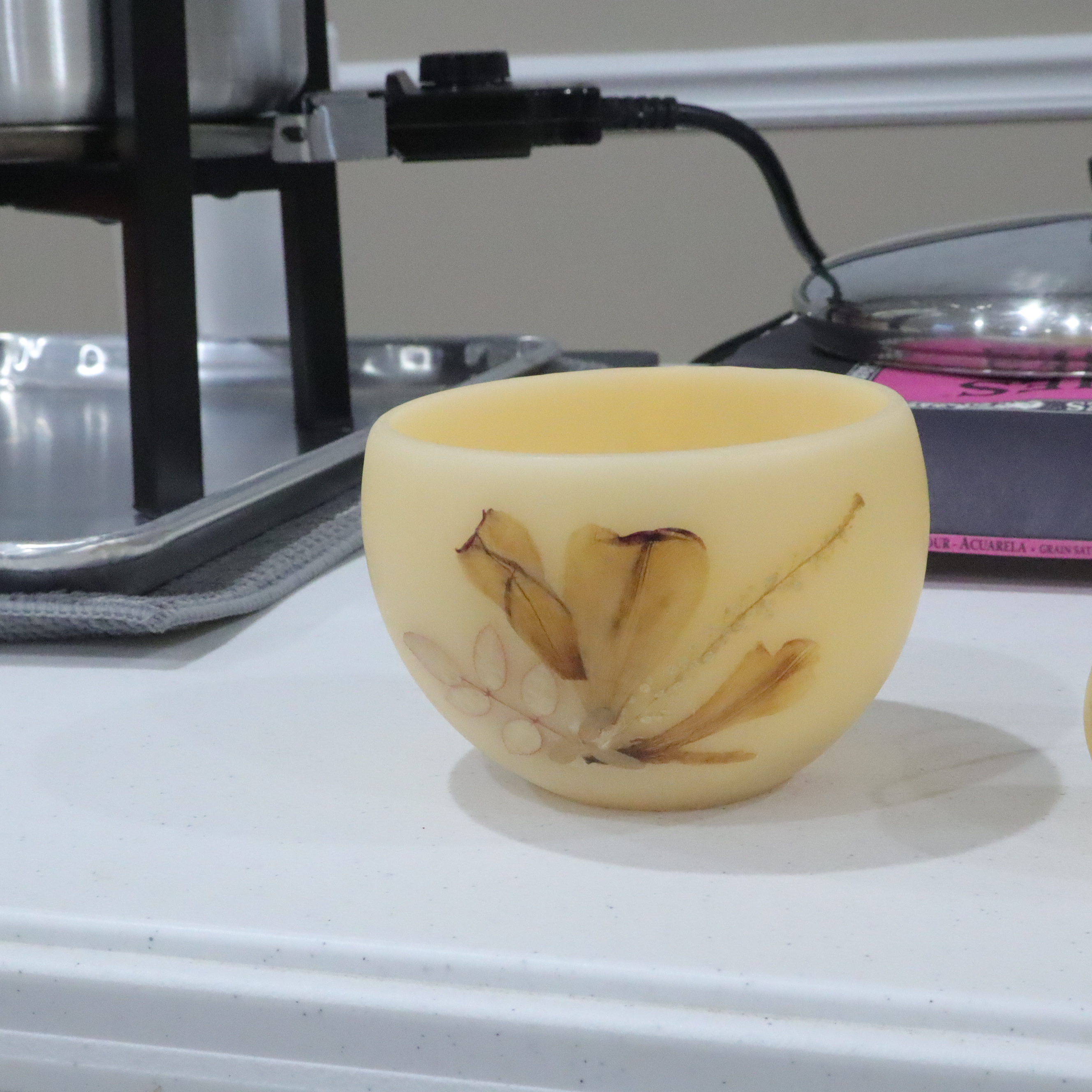
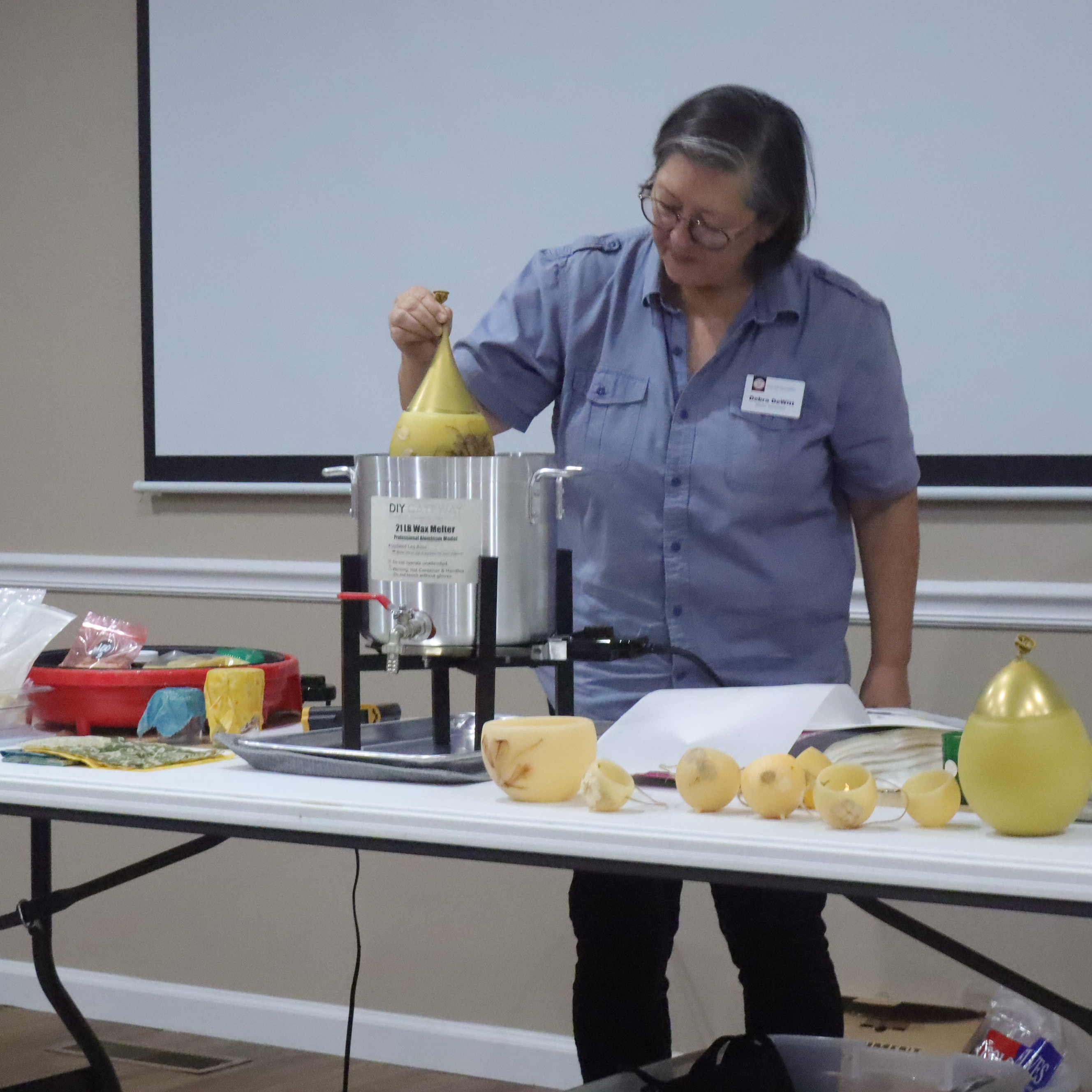
Beeswax luminaries are made by dipping a filled water balloon into a pot of warm wax, creating an outer shell that looks like a bowl. The balloon is dipped about 25 times to create a bowl-like shape and dried flowers can be added as decoration.
A tea light with a flame is used inside the luminary to create a glow and a level of ambience to the environment.
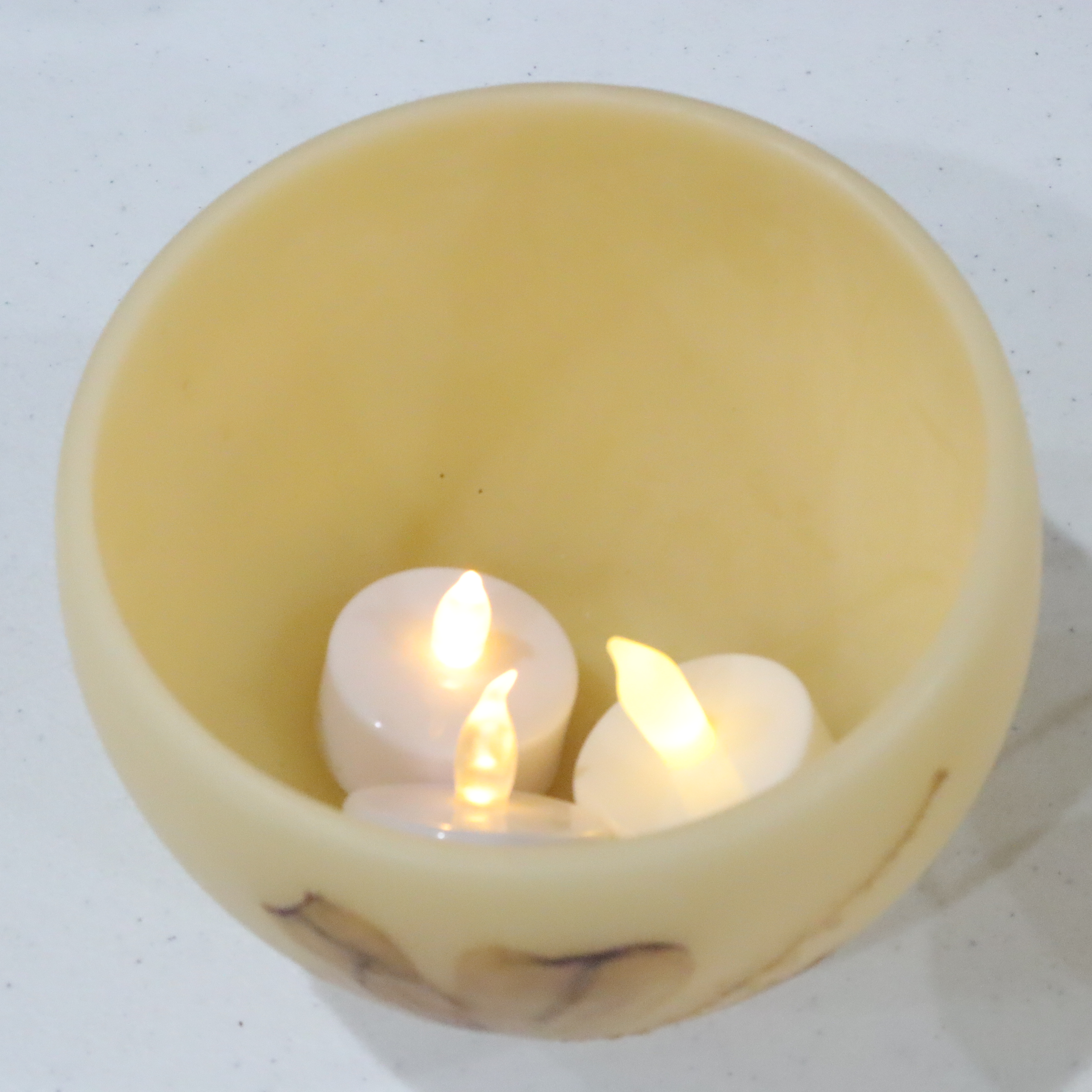
“I always advocate for people to use a battery-operated tea light just from a safety standpoint,” DeWitt said. “If you have a live flame, beeswax is highly flammable.”
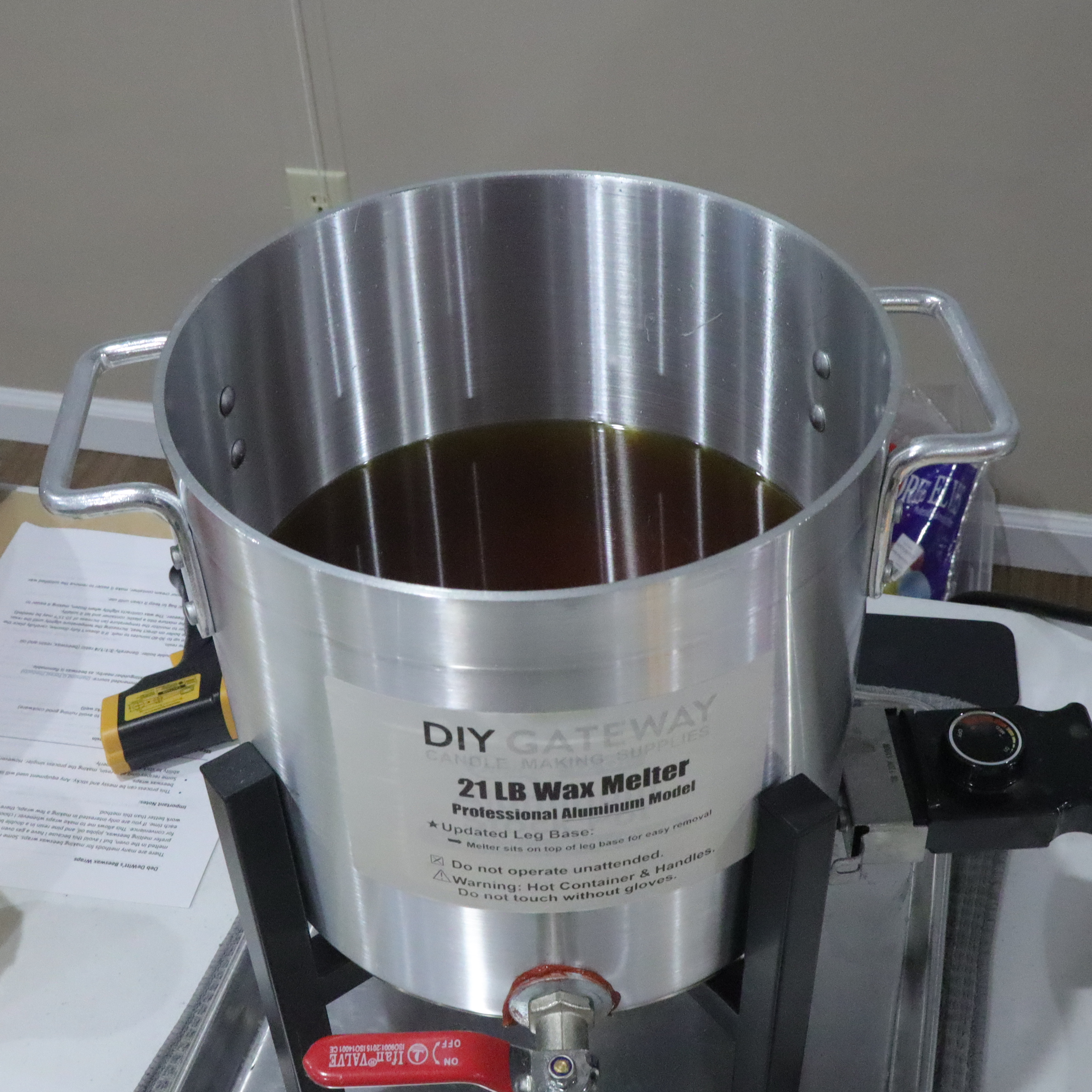
A beeswax wrap is made by heating a double broiler and placing the inner pot directly onto the heat to melt the beeswax and then coating a piece of thin cotton fabric with the melted wax.
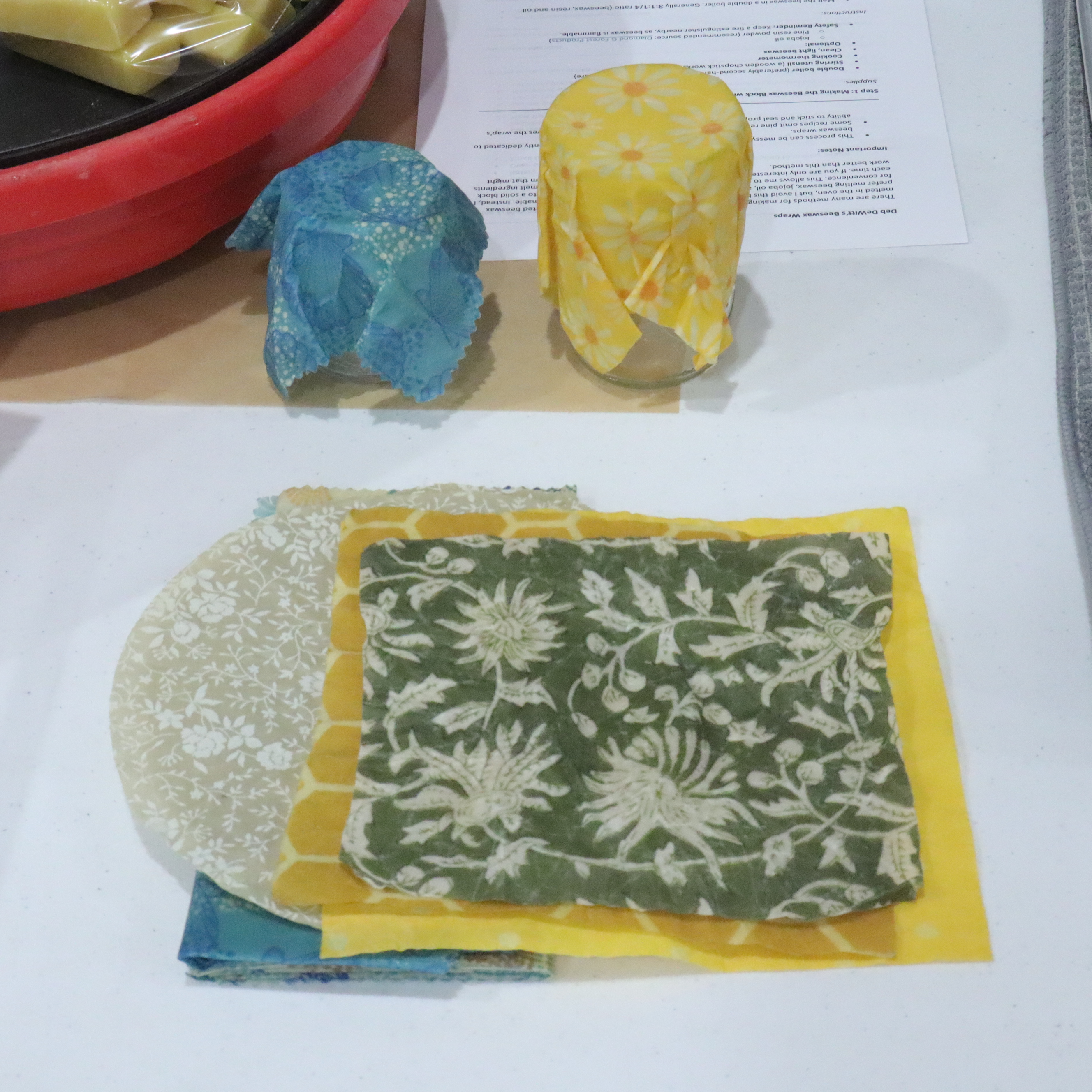
Using gum resin and jojoba oil enhances the wrap. DeWitt uses cotton fabric with patterns on them, which she bought at JoAnn Fabrics in Athens last year before it went out of business.
There are specific benefits to using wrap made of beeswax. It’s used to cover food stored in jars or bowls that don’t have lids.
People use it to wrap bread, sandwiches and cheese as an alternative to using plastic wrap.
“You’re eliminating plastic,” DeWitt said. “But also beeswax has a certain kind of antimicrobial, antibacterial properties to it.”
Ashley Wright, a part-time librarian for the bee club, said she’s made wax wraps for Christmas.
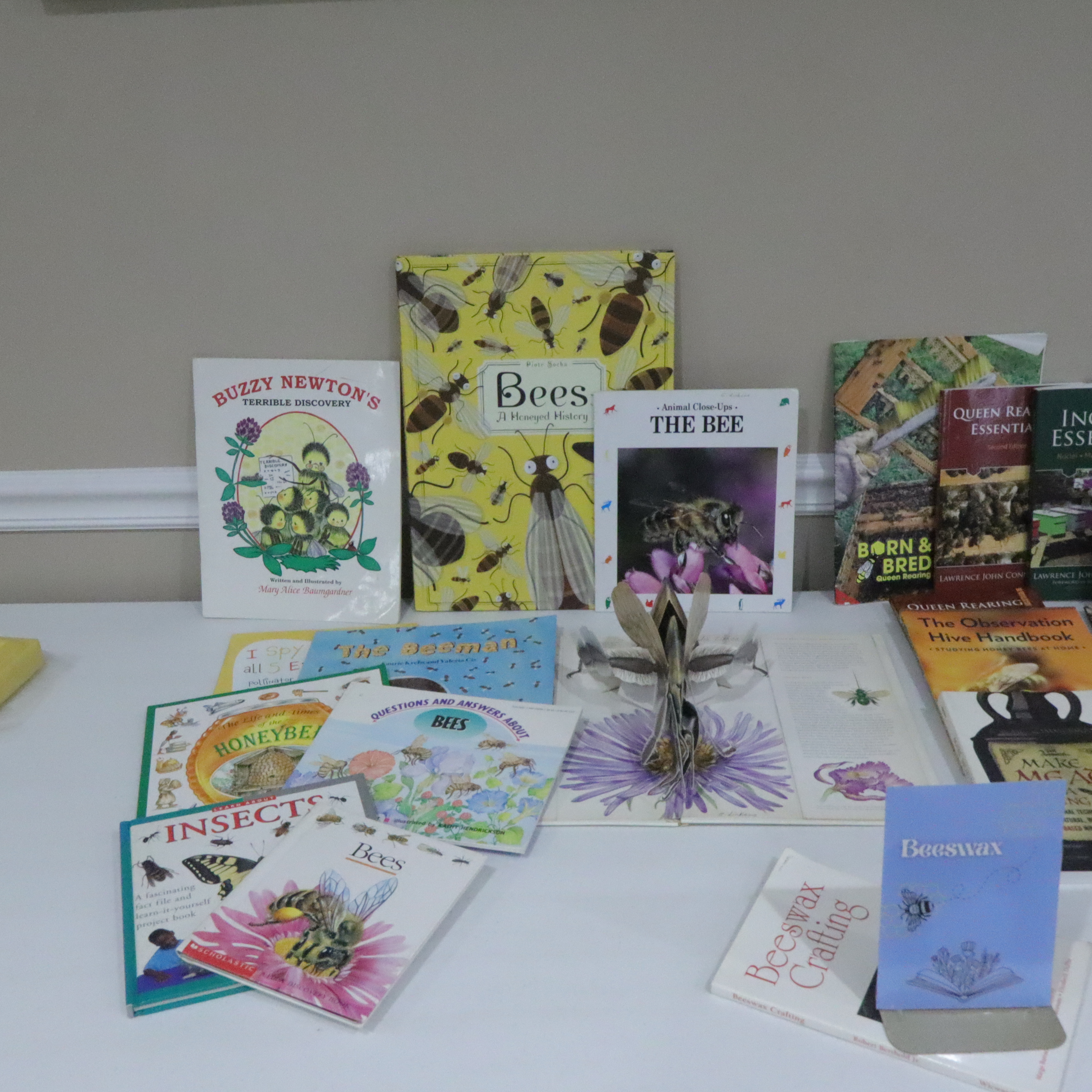
“I think my grandma didn’t use them, but it’s because her precious granddaughter made them,” Wright said. “I’m like, ‘Memaw, they’re to be used.’ She’s like, ‘But they’re so pretty, I don’t want to get food on them.’”
Ashley, and her husband Peter Wright, a homesteader, have been beekeepers since 2020, when they taught themselves by watching YouTube videos. They have made 1-ounce wax bars, but they now primarily focus on getting honey out of their bees. But Peter said the session has added another product on his list to make.
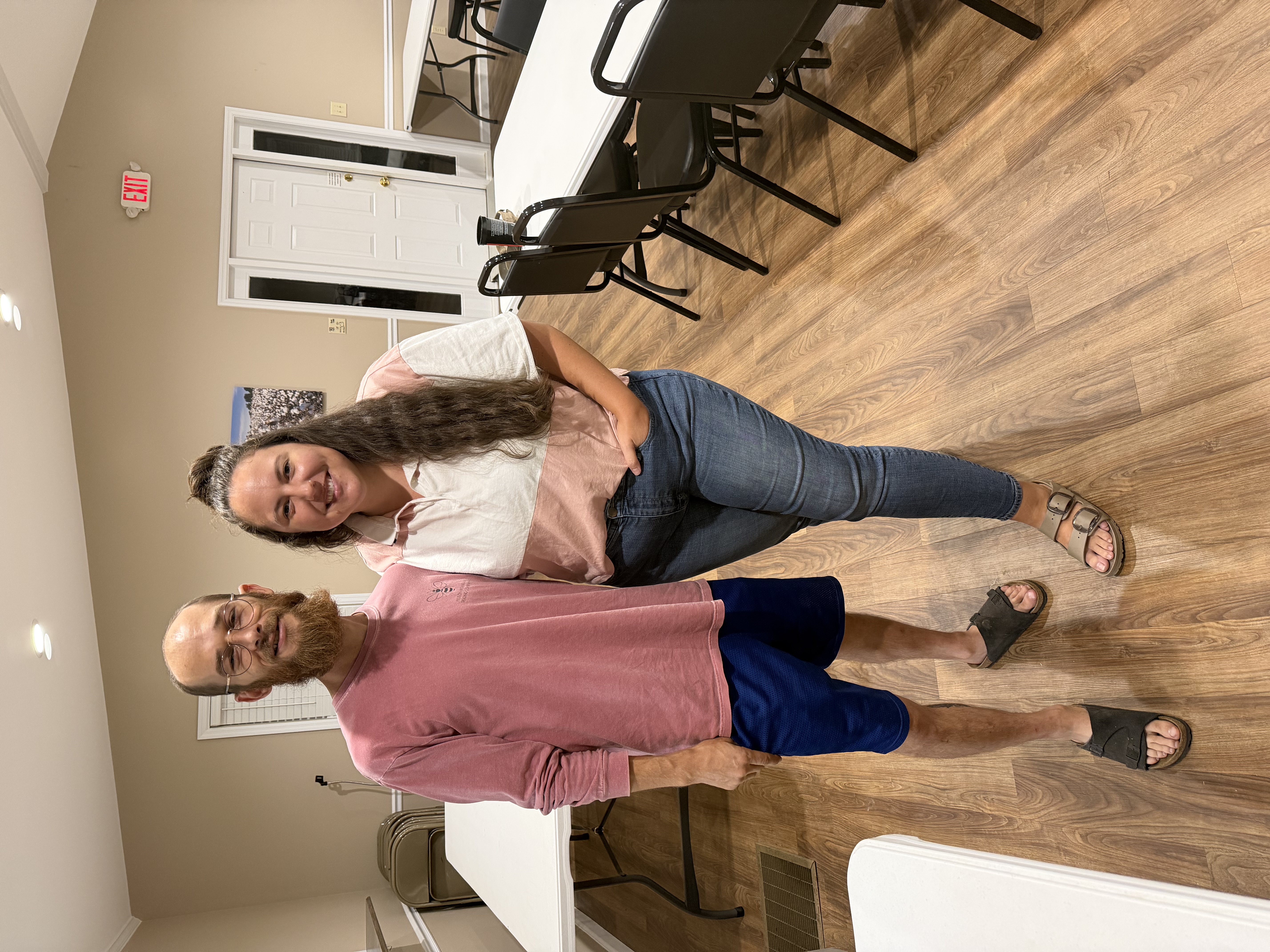
“Something that I have on the list to make in the near future, maybe later this season, would be to put gardenia oil in our candles to make them scented like that,” Peter said.
DeWitt emphasized that making beeswax luminaries and wraps is DIY and mentioned one crucial step in the process.
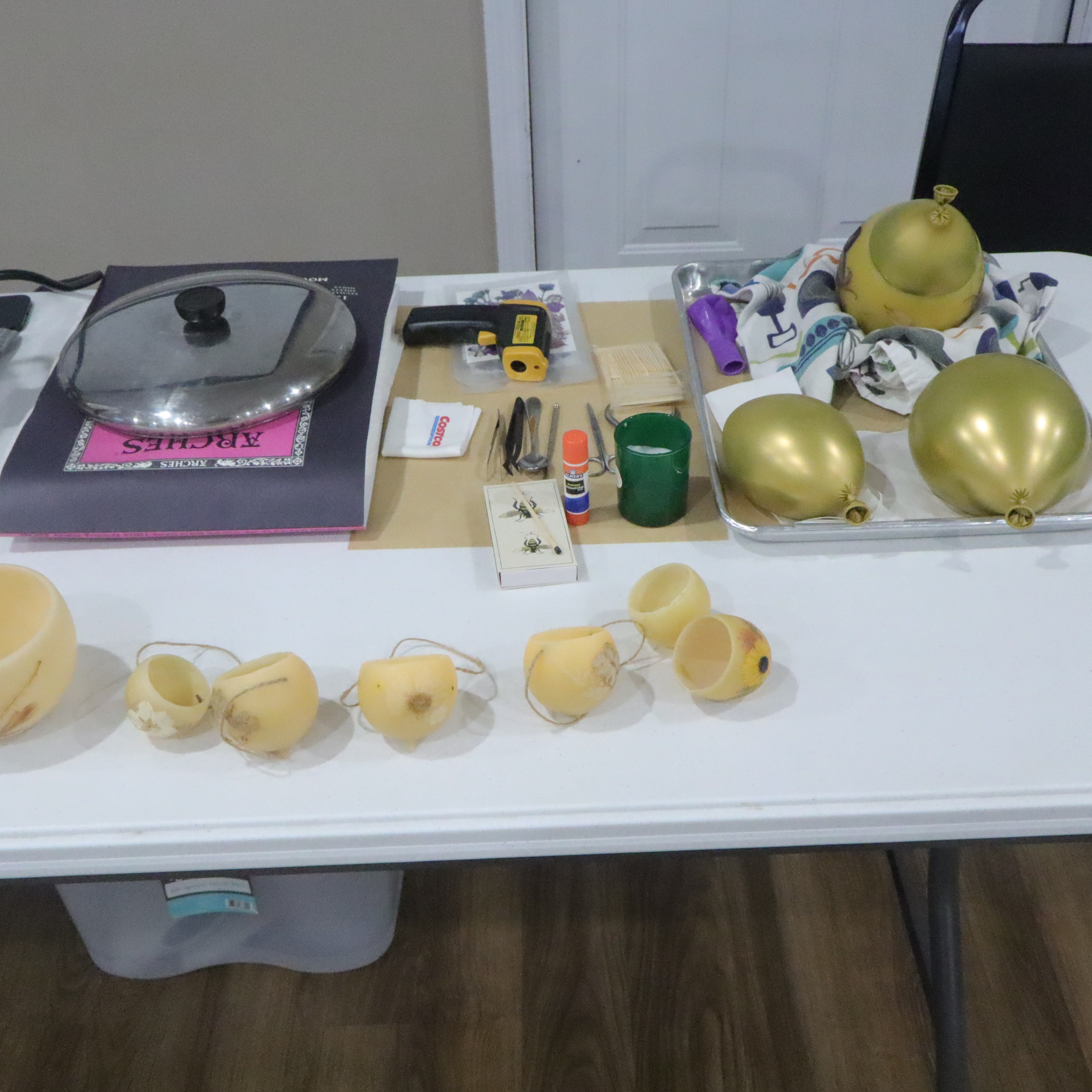
“To not burn the wax,” she said. “You really want to pay attention to the temperature of the wax because when you heat beeswax beyond a certain point, it really starts to degrade the wax.”
DeWitt said she believes it’s healthier to use natural materials. She states that being more in touch with nature and the world around us will make us appreciate it more.
“I think they add value to your life,” she said. “There’s something that you can incorporate into your life very easily.”