
Oglethorpe County is home to 12 historical markers highlighting important people, places and events in the area’s past, only some of which might be known to residents.
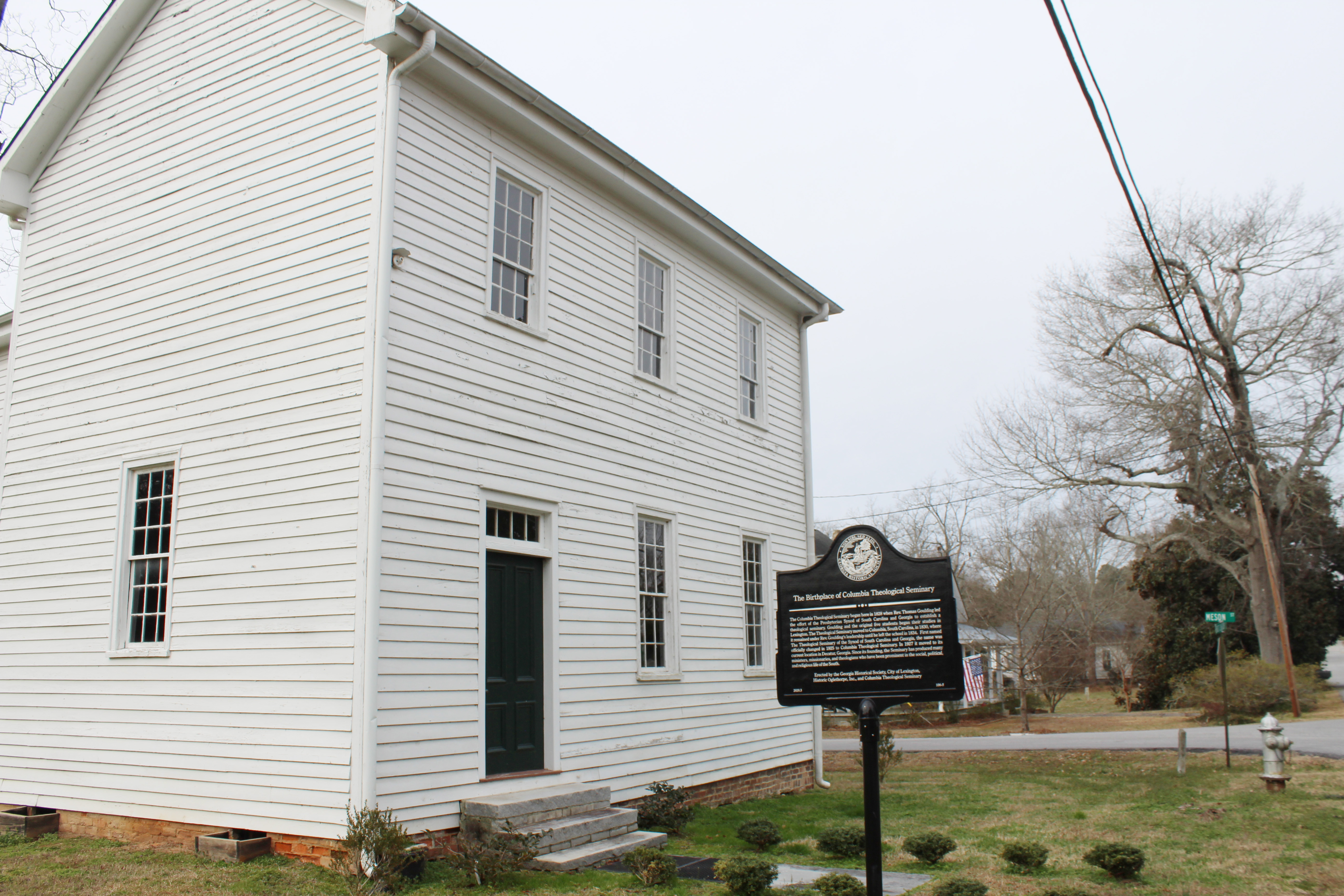
The county’s most recent marker was erected in 2020, commemorating the birthplace of the Columbia Theological Seminary.
The seminary was formed by Rev. Thomas Goulding in 1828, when he brought the Presbyterian Synod of South Carolina and Georgia to Lexington. He and five students began studying in the small building on what is now Church Street.
Originally named The Theological Seminary of the Synod of South Carolina and Georgia, it was changed to the current name in 1925.
Ashley Simpson, a member of the committee that helped erect the marker, was in charge of the research in preparation for the marker’s creation. She said she hasn’t “stopped researching Mr. Goulding.”
According to Simpson’s research, many of Goulding’s students became missionaries to Persia, Africa and, specifically, Liberia.
“I am more interested in studying the lives of people that had a significance beyond their own existence, and I think Goulding had that,” Simpson said.
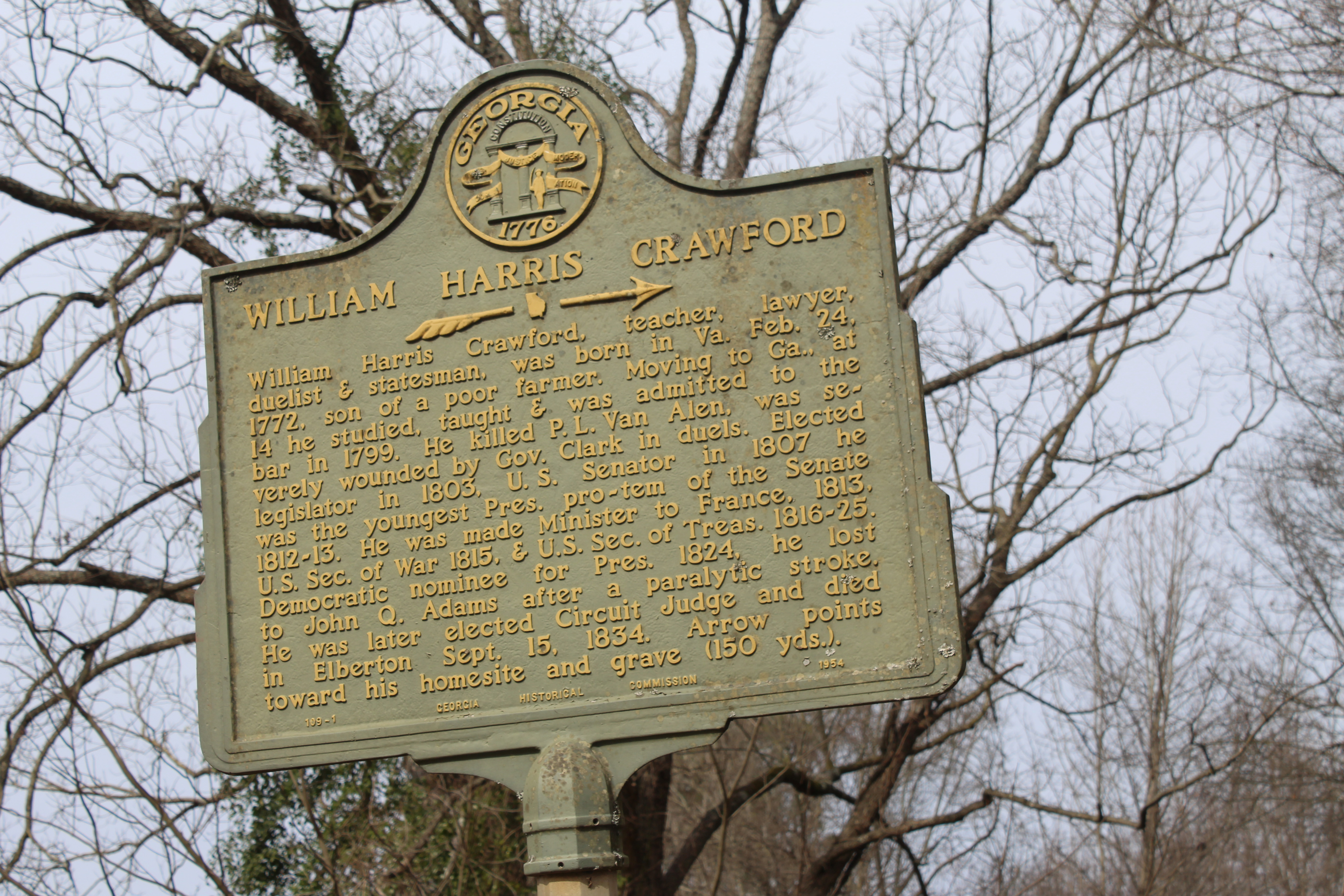
Three of the 12 historical markers are dedicated to significant Oglethorpe County people, including William H. Crawford.
“Crawford was our most famous person, before Crawford ever existed, before the railroad,” said Tom Gresham, a member of Historic Oglethorpe County.
Crawford was born in Virginia, but moved to Georgia at the age of 14.
After graduating from college and law school, he opened his practice in Lexington. He was elected to a seat in the Georgia Legislature in 1803, and in 1807, Crawford filled Abraham Baldwin’s unexpired seat in the U.S. Senate.
Crawford held other titles such as Minister to France, Secretary of War and Secretary of the Treasury in his career.
In 1824, Crawford was the Democratic presidential nominee, a race he lost to John Quincy Adams. He spent his final days at his estate in Oglethorpe County and is buried near his marker.
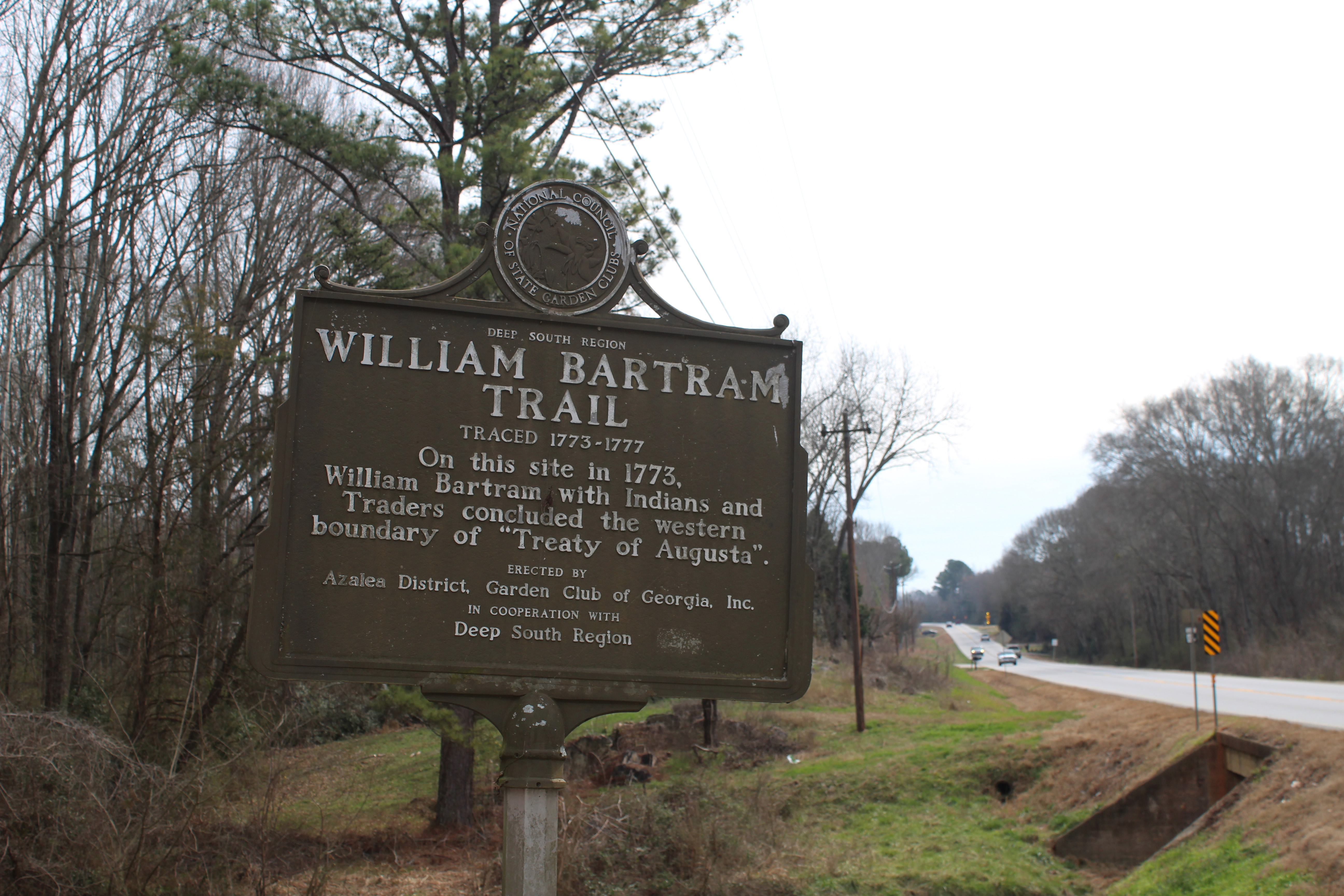
While some of the markers are in prominent locations, others are easy to miss, like the William Bartram Trail Historical Marker.
Located near Arnoldsville, the rectangular metal post is not only a marker of an important area in the county’s history, but an important event in state history.
It commemorates the end of the trail that Bartram took to survey the western boundary of the Georgia colony, which concluded in 1773.
Bartram traveled with surveyors to explore land that belonged to the Creek and Cherokee people, which the Native Americans were selling to repay debts they incurred during the French and Indian War.
During his travels, Bartram discovered plants and animals, which were sent back to Europe to be studied and named.
“Some of the things that William Bartram discovered for the first time he doesn't get credit for,” said Brad Sanders, a board member of the Bartram Trail Conference.
Sanders said the painted buckeye, a plant native to the area, is considered to have been discovered and described by Bartram.
Bartram recorded his findings, which were not published until 1791.
“It was pretty fascinating reading in the first person because people didn’t write like that back then,” Sanders said.