


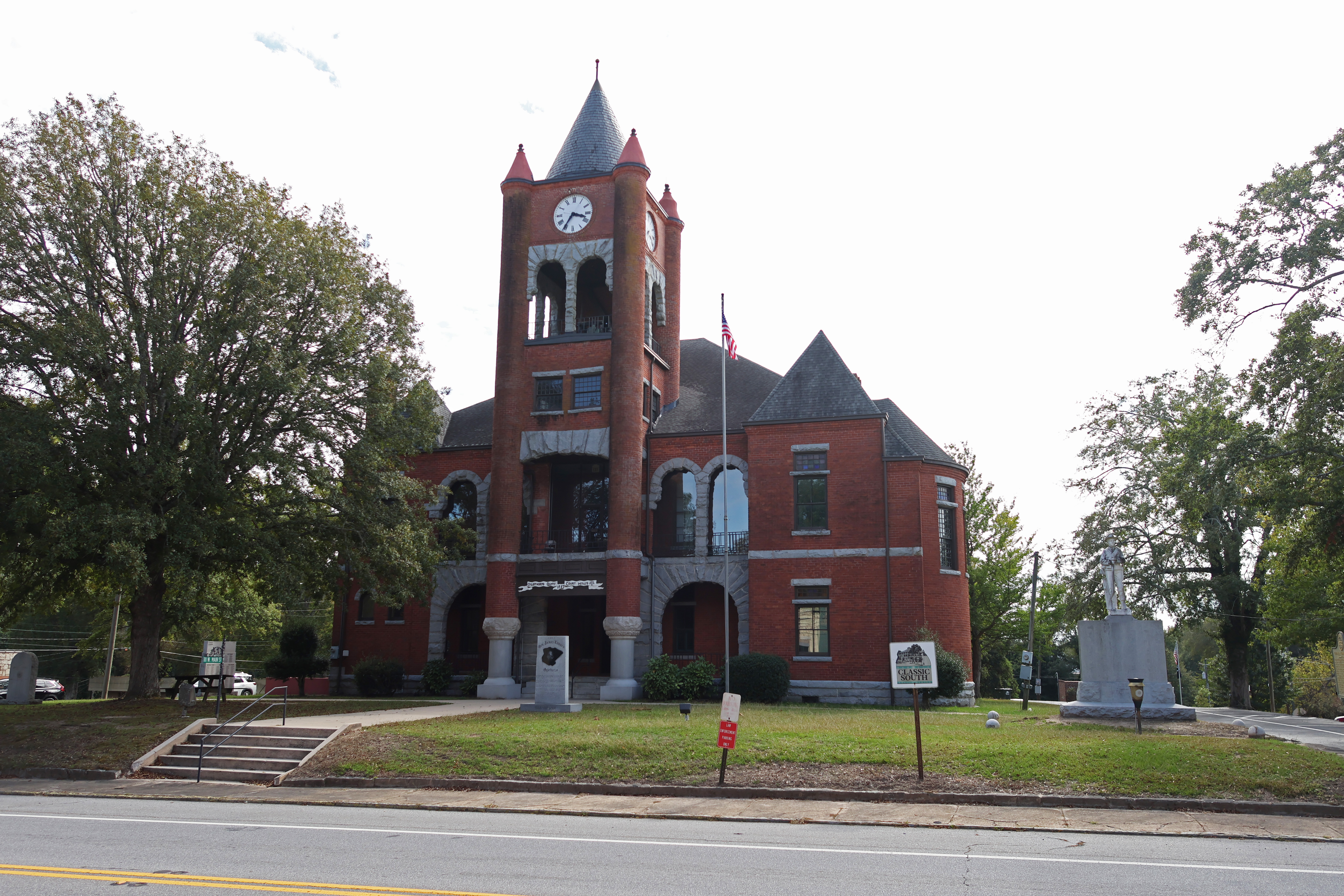
On any given weekday, the Oglethorpe County Courthouse hums with steady activity — civil filings, property records and jury selections all pass through its doors. From marriage licenses to mortgages, most residents will interact with the local court system at some point.
Still, the process isn't always straightforward. Many residents arrive unsure of which office handles their paperwork or where to begin.
“There is confusion sometimes … we are definitely a 411 here,” said Kelli Paradise Smith, the clerk of the Superior Court for Oglethorpe County. “We do have people that walk in that have matters that don't have anything to do with my court. So, we’re giving them directions.”
Understanding how the courthouse operates — from where to start to which forms to file — can help residents avoid mistakes and save time.
Where to begin
The Clerk of Superior Court’s office in downtown Lexington manages much of Oglethorpe County’s recordkeeping. Located on the first floor of the courthouse, the Clerk of Court’s office is open 8 a.m. to 5 p.m. Monday-Friday.
The office handles filing for criminal, civil and real estate cases, alongside paperwork such as adoption forms and veterans’ DD-214 records.
“We have three main branches: judicial, administrative and the land records side,” Smith said. “Under each of those three umbrellas, there are many, many duties.”
Smith and her staff oversee everything from e-filed court cases to deeds, notary applications and even liens, which let creditors claim a property until a debt is paid. Her office also manages juror lists and swears in members of county boards.
Common filings, online access
For residents, understanding which filings go where can make the legal process smoother — and save a trip back to the courthouse. The clerk’s office handles most of these filings electronically.
Civil cases and pleadings are processed through PeachCourt, while criminal e-filing is available at EZ-file. Additionally, property records can be filed through the Georgia Superior Court Clerks’ Cooperative Authority.
“I have everything digitized now in my office, as far as land records, plats and liens,” Smith said. “Even back to 1794, they’re available.”
While most case information is searchable online, Smith chooses not to post entire case files publicly, explaining that residents can still request them in person to protect privacy in such a small county.
“As far as my criminal records and civil records, I do have those records online where you can search the case,” Smith said. “You can see the case. You can see the filings, and what the proceedings are in the case, but you can't see the images, and some clerks make that available.”
Chief Deputy Clerk Allison Hayes said technology has made filings more secure.
“Beginning Jan. 1 of this year, we do not accept any real estate filings over the counter unless it is from an attorney or a bank,” Hayes said.
The change, prompted by a new state law, moves most real estate filings online. It also helps protect property owners by requiring identity verification through the Georgia’s Clerk Authority.
Mistakes, misunderstandings
Many people walk into the courthouse with matters that don’t pertain to the Superior Court, but rather to the Magistrate or Probate Courts.
Smith refers to the magistrate as the “people’s court.” Magistrate handles civil claims, such as small land disputes, while Probate handles traffic citations, wills, birth and death certificates, marriage licenses and more.
When there is a matter that pertains to the Superior Court, all Superior Court records are public and available to request, except for veteran, juvenile and adoption records.
Smith said a common misunderstanding is when people walk in to request that someone be added to their deed, not realizing that the process is more complicated.
By law, Superior Courts are not allowed to provide legal advice, including giving forms to people representing themselves in matters such as divorce and name changes.
However, they try to provide resources such as websites and packets to educate people and inform them of what the superior court can and can’t help with.

Jury duty
Jury duty can be a confusing experience, but it can be less stressful if people know what to expect.
Notices for anyone being summoned to jury duty are sent in the mail 30 days ahead of the trial week. The number of summons that are sent depends on the type of trial, but most criminal trials in Oglethorpe County summon approximately 150 people, which is nearly 1% of the county’s population.
Jurors should make sure to call the number of the summons the Friday before the start of the trial week to see if there are any changes to their instructions.
On the Monday of the trial week, jurors will go to the courtroom to be checked in and receive their debit card for payment.
The jurors are split into panels of 12 and questioned by the attorneys. By the end, 12 jurors and an alternate are selected for the trial.
The people who weren’t selected will either be instructed to go home or come back another day to possibly be selected for a different trial, time permitting.
A welcoming approach
For both clerks, keeping the courthouse approachable is a priority.
“We want people to feel welcome when they come,” Hayes said. “We don’t want anyone to leave here and not feel like they have not been helped.”
Smith, who was born and raised in Oglethorpe County, shares a similar sentiment.
“I would just like people to feel welcome to come in anytime,” Smith said. “I enjoy serving the people of this county, and have done it for 17 years so far, and it’s just been an honor for me to do that.”