
EMS classes help residents be prepared for emergencies
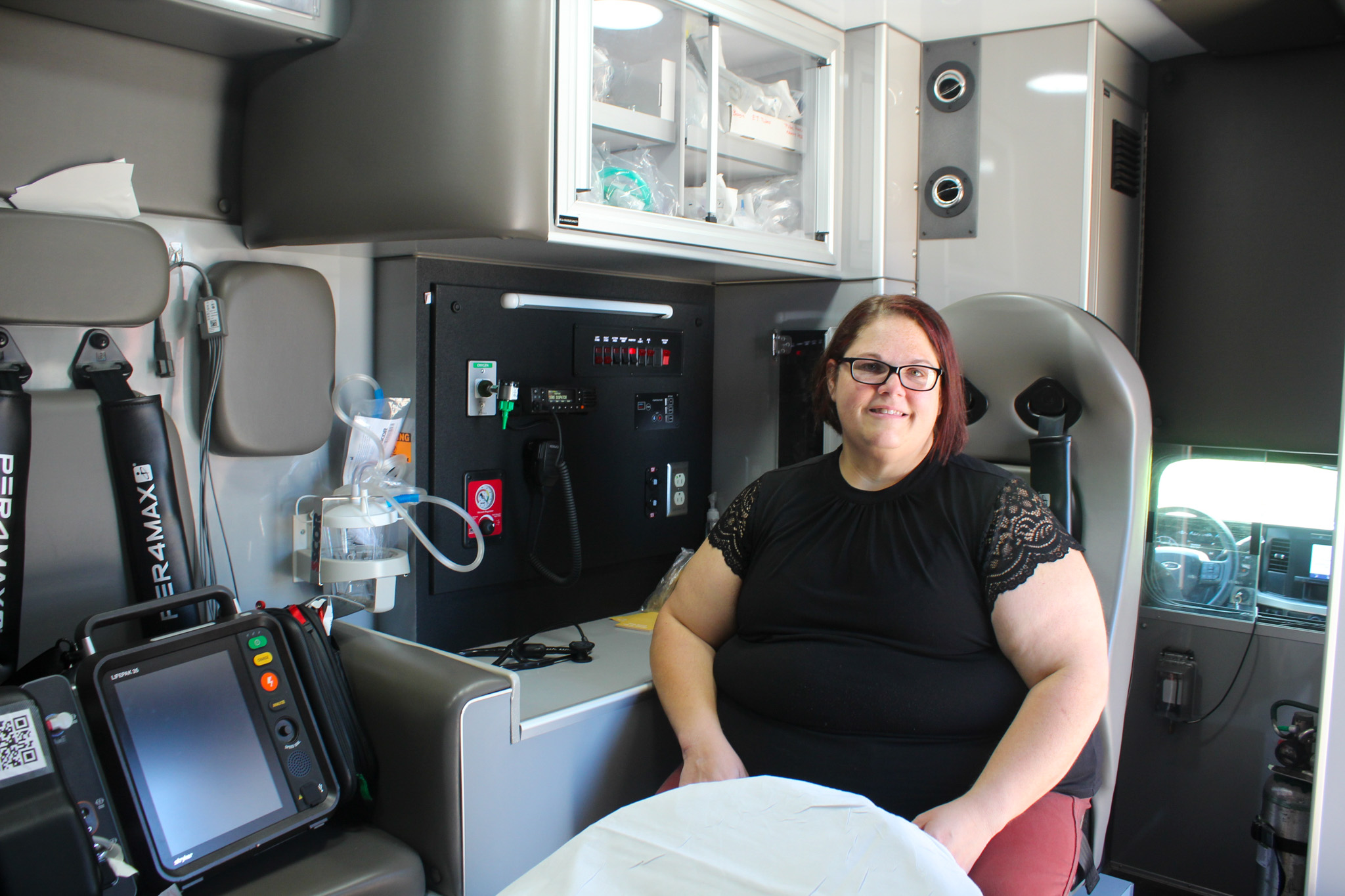
When someone collapses from a heart attack or suffers a serious injury, the first few minutes are critical.
In Oglethorpe County, EMS is preparing residents to help make the difference.
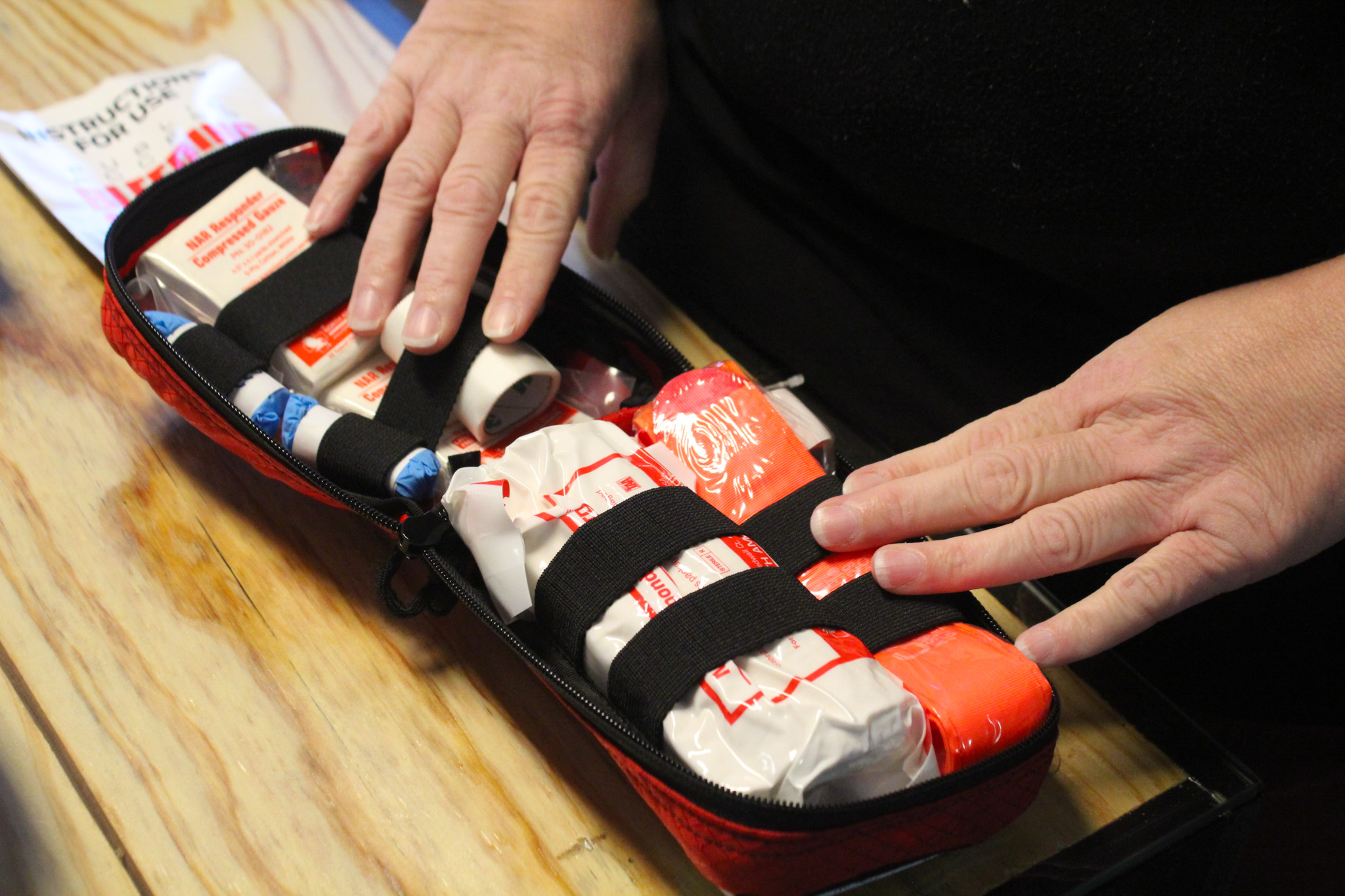
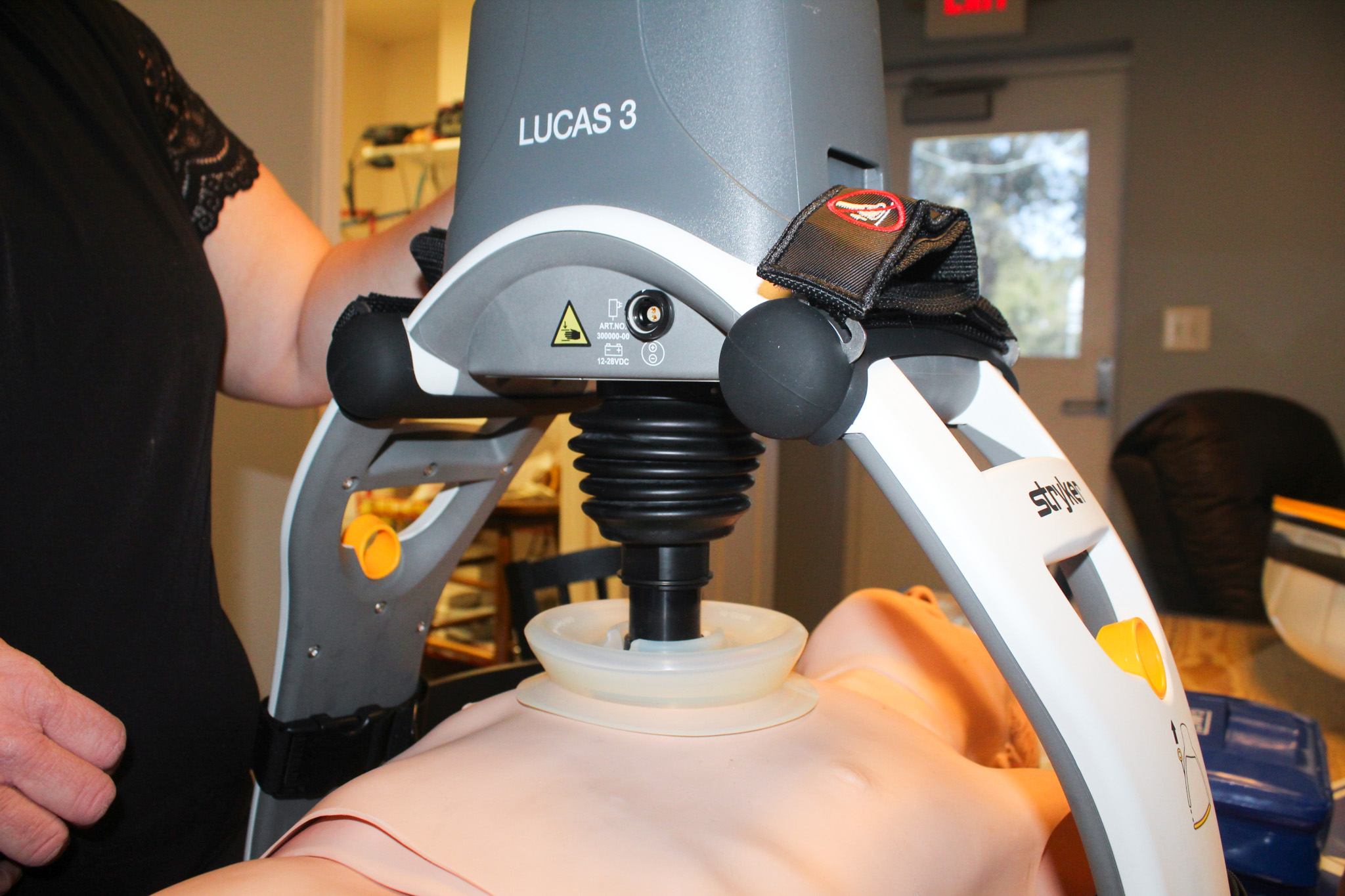
The department offers a range of courses designed to teach residents how to respond effectively in emergency situations. These include basic and hands-only CPR, first aid, “Stop the Bleed” bleeding-control workshops, stroke and heart attack recognition and EpiPen training.
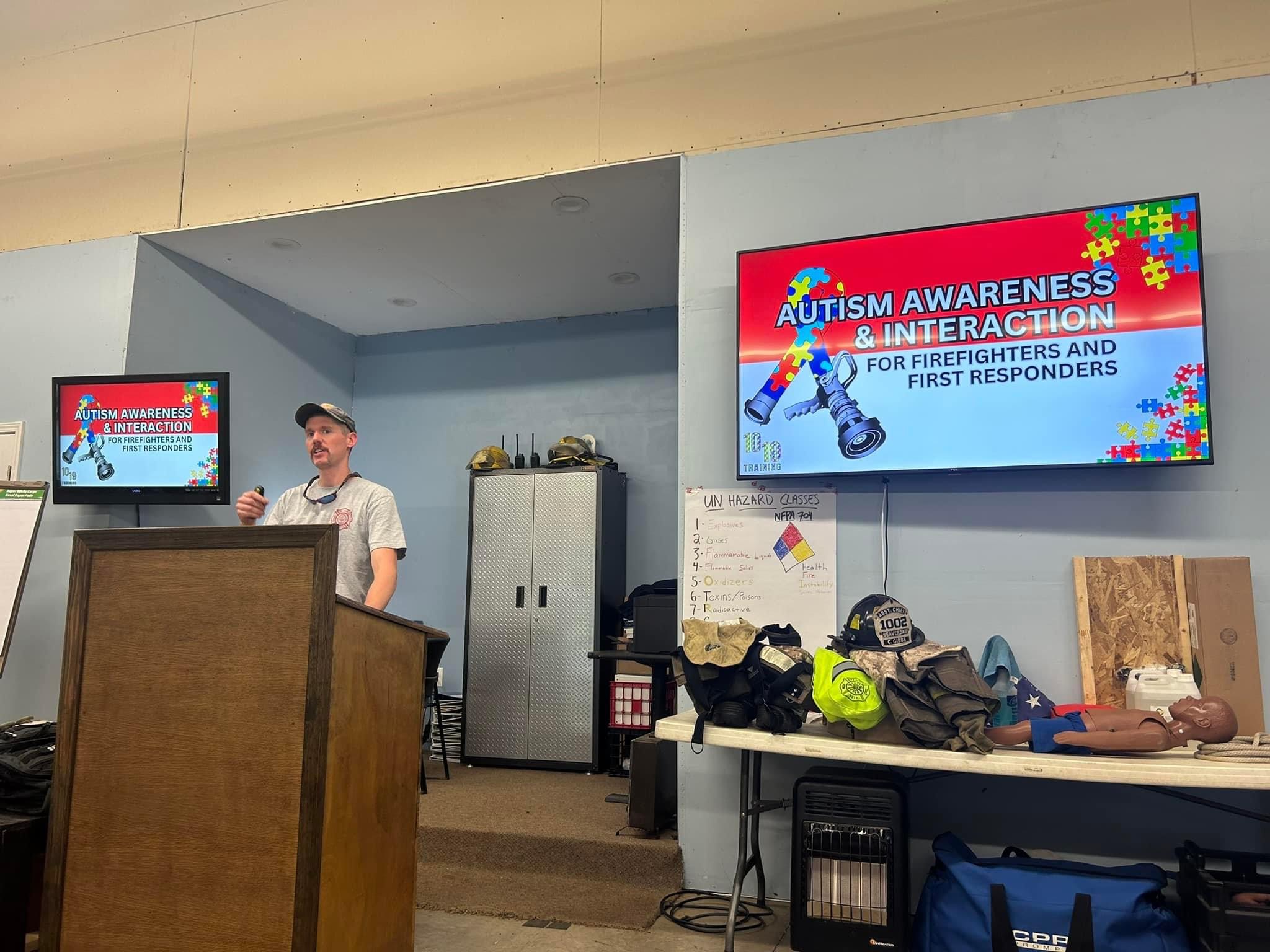
“Our classes are offered for people who are in Oglethorpe County, and when they are finished with the class, they are credentialed to work as a first responder in Oglethorpe County,” said Cody Gibbs, assistant chief of the Beaverdam Volunteer Fire Department and advanced EMT.
Having a community of trained responders is especially important in Oglethorpe County, where rural geography can delay emergency vehicles. Oglethorpe County EMS is in Crawford, but individuals in outlying areas may face delays, making trained bystanders crucial until professional help arrives.
“There’s other areas of the county that are a little bit more sparse and don’t have the first responders there,” Gibbs said. “So having those first responders who can get paged out, get dispatched out, go to a residence and start CPR or open an airway — those are the things that give the patients a much better chance of survival.”
Every two years, EMS also offers an emergency medical responder (EMR) course, with 12-25 students per class. Oglethorpe County has 35 active EMRs, who can deliver aid while waiting for EMS resources.
Certification requires 40-60 training hours, paperwork and a willingness to serve without pay.
For some, the commitment is worth it.
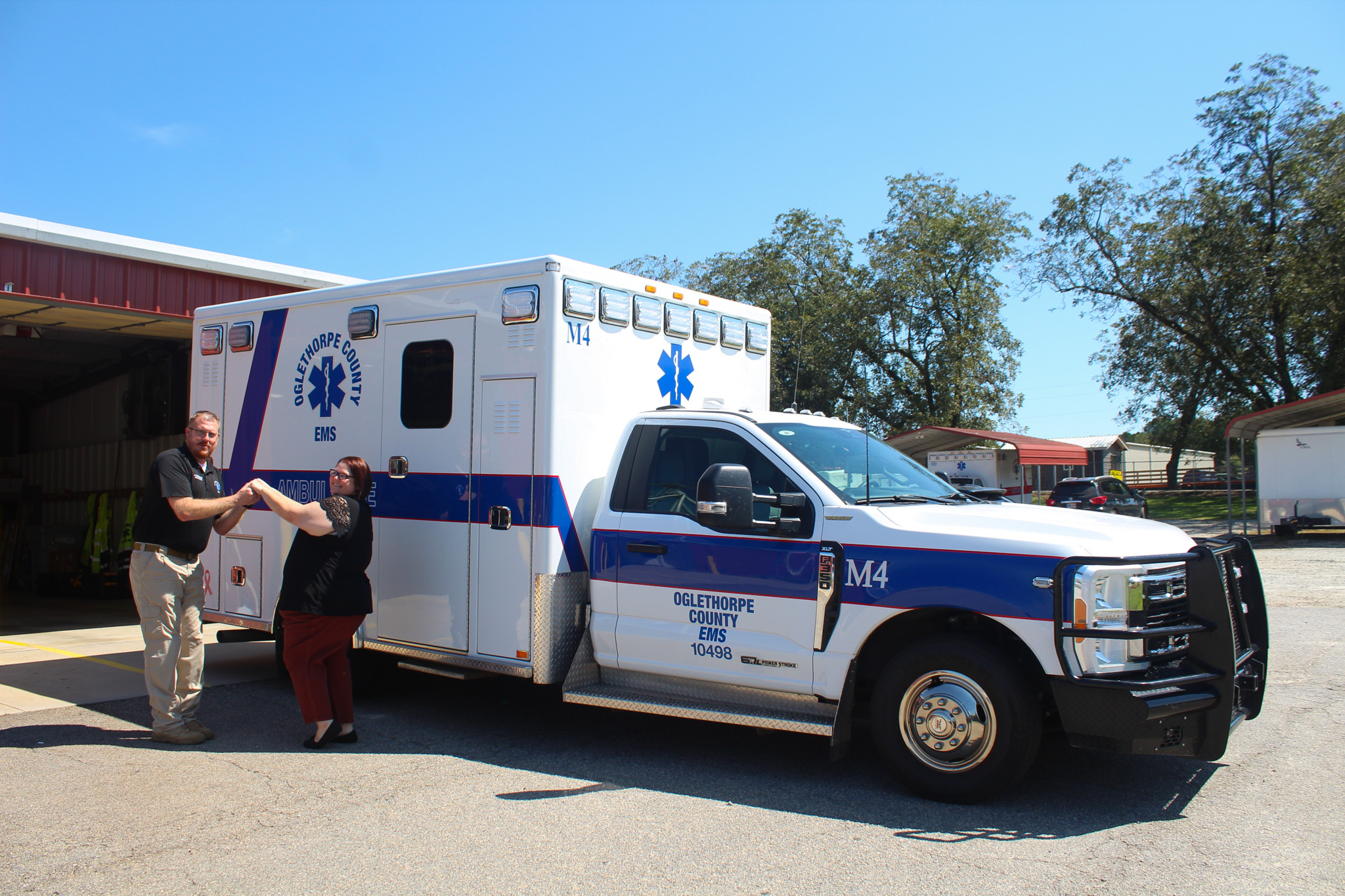
“The (EMR) training gave me the knowledge and confidence to act quickly and work as part of a team under pressure,” said Russell Skinner, a lieutenant at Pleasant Hill Volunteer Fire Department and EMR. “I’ve already used those skills on real calls, helping patients, supporting EMS and staying calm when every second counts.”
Additional EMR sessions can be arranged for businesses, schools, churches or volunteer groups. Shorter courses, like CPR or EpiPen use, are offered as frequently as instructor schedules allow.
Classes are open to residents of all ages, so anyone can get involved.
“I think the youngest person I taught CPR to was a 6-year-old,” said Kristin Gilliam, a paramedic and training officer for Oglethorpe EMS. “Not that I fully expect them to be able to compress an adult’s chest, but we offer them to anybody.”
Oglethorpe EMS also works with high schools to give students a head start in emergency medical technician (EMT) training.
EMTs provide more advanced care than first responders, including oxygen administration, monitoring vital signs and safely transporting patients to hospitals.
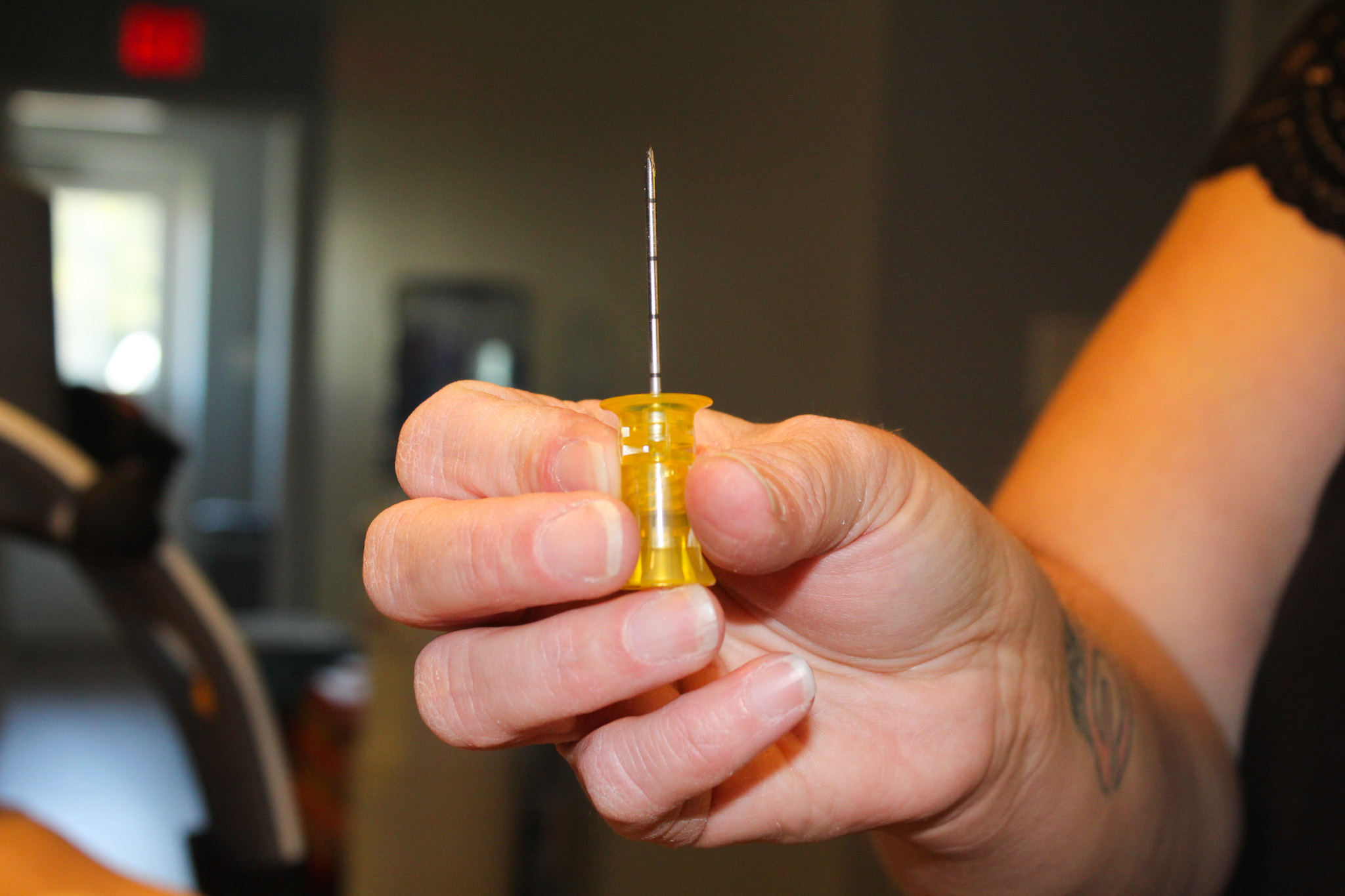
“We have a high school EMT program,” said Gilliam. “When they turn 18, they can take the national registry and apply for a state license. Essentially, you can be an EMT at the same time you graduate.”
The high school program is just one way Oglethorpe County EMS is building a stronger pipeline of trained responders.
Getting involved is simple. Residents can check the county EMS website for the current class list, call the office to register or email Ryan Hollingsworth (rhollingsworth@oglethorpecountyga.gov). Many classes are free or grant-supported, and EMS works to make training accessible for those with full-time jobs.
For Gilliam, the goal is straightforward: empowerment.
“Just being able to help somebody, being able to be that light when they're in the darkest part of their life,” she said. “It’s a lot of reward with it.”