
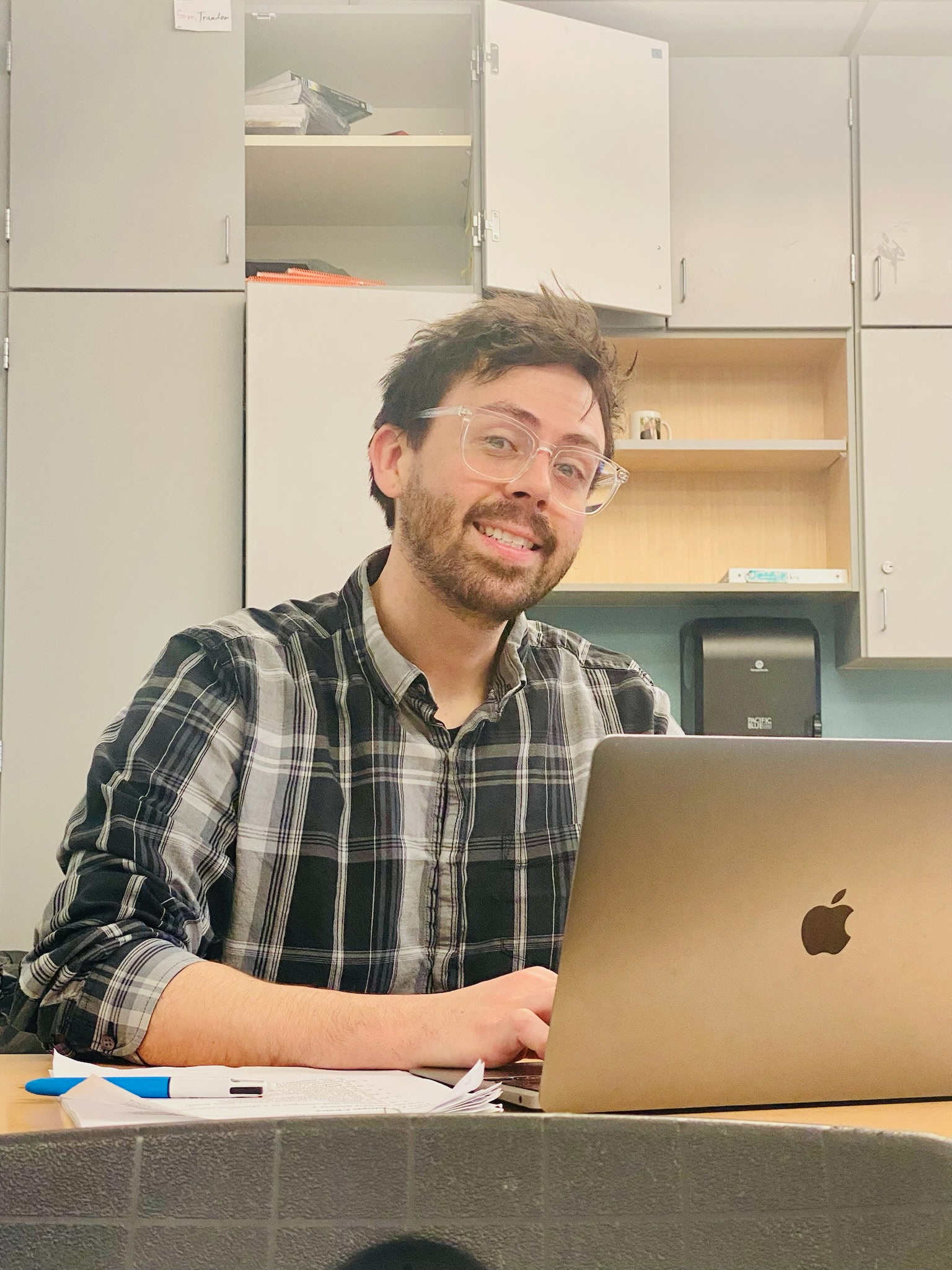
Two years ago, Ty Graham had never stepped into a classroom as a full-time teacher.
This August, he is preparing to make his third trek to teach middle and high school students in a remote Alaskan village north of the Arctic Circle.
“It was a huge learning curve,” Graham said. “I didn’t have any formal teaching experience in the academic space.”
Graham will continue his Alaskan teaching journey at the Alak School in Wainwright, Alaska, the country’s second-northernmost city. His continued interest in teaching science comes from his Oglethorpe County roots.
Graham spent much of his summer with his grandparents who are retired scientists and his original inspiration to become a science teacher.
“I am extremely proud of Tyler’s branching out into all different activities in his life,” said Virginia Lassiter, his grandmother. “I think you ought to follow your passion. He doesn’t have to follow what we do, but he loves it, and that's his passion.”
Originally from Roswell, the 32-year-old was studying biochemistry at Arizona State when the opportunity arose to teach in Alaska.
Graham attended an online seminar hosted by the university’s career resources program in November of 2023. A month later, he accepted a position at the Napaaqtugmiut School in Noatak, Alaska, a small Alaska Native village reachable only by bush plane.
“It just seemed interesting, and I was ready for an adventure because I‘ve lived in Georgia my whole life,” Graham said.
At the time, Alaska was facing teacher shortages, recruiting from all over the world through emergency teaching certifications. At the Napaaqtugmiut School, Graham taught middle and high school science, along with physical education, robotics and Inupiaq studies. With five teachers covering middle and high school classes, staffing was limited and responsibilities stretched wide.
“It was very difficult having that level of responsibility and just jumping in,” he said. “I had to lean on my colleagues a lot, but I I learned. I listened. I took all of the tactics that all the other teachers were using.”
Teaching in a predominantly Native American community came with a set of responsibilities beyond traditional academics. Any teacher in Alaska is expected to teach an Inupiaq studies curriculum, something Graham fought imposter syndrome about.
“It ended up being like this struggle between me feeling not good enough but still trying really hard to catch up and give them what they need and deserve,” Graham said.
He quickly realized that connecting science lessons to students’ everyday experiences was essential. Lessons on ecosystems, climate and biology became more meaningful when tied to local traditions of hunting, fishing, and subsistence living.
“The system isn’t in place to help me or make me feel OK,” he said. “I’m there to do a job and try my best to make the kids feel like the classroom is comfortable and at home.”
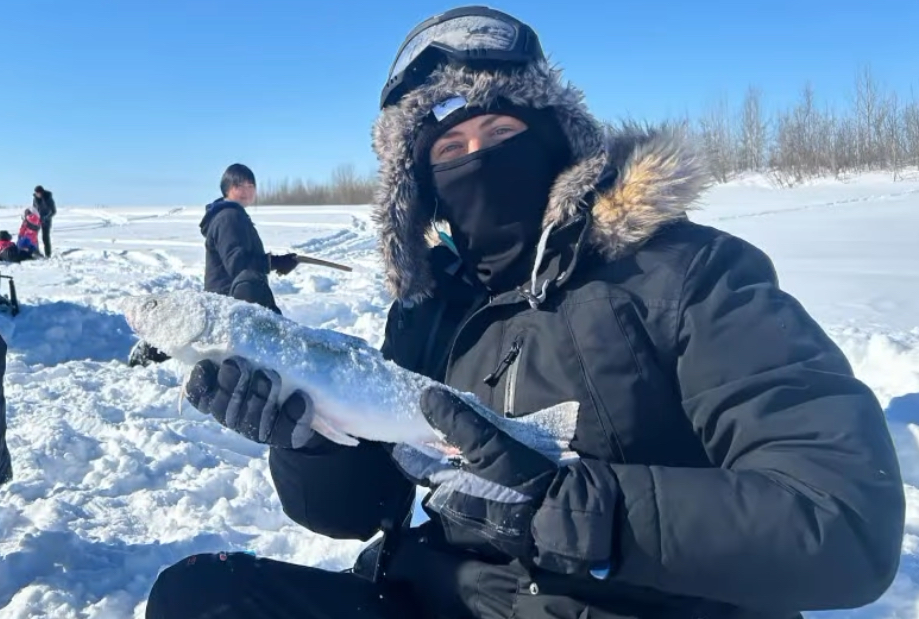
Outside of teaching in the school house, community events gave Graham the chance to build relationships with students and families outside the classroom. An annual ice-fishing trip on the Noatak River was a local tradition he remembers well.
“One of my most treasured experiences (was) being with the whole community, just doing something with the youth of the community too,” Graham said. “Doing it as a whole school was just really nice.”