
The memorial service for Nathan Harris Sr., Elijah Tiller and Frances “Fanny” Pass Tiller will take place from 1-3 p.m. May 4 at Millstone Baptist Church (479 Gene Smith Road, Carlton). Members of the public are invited to attend.
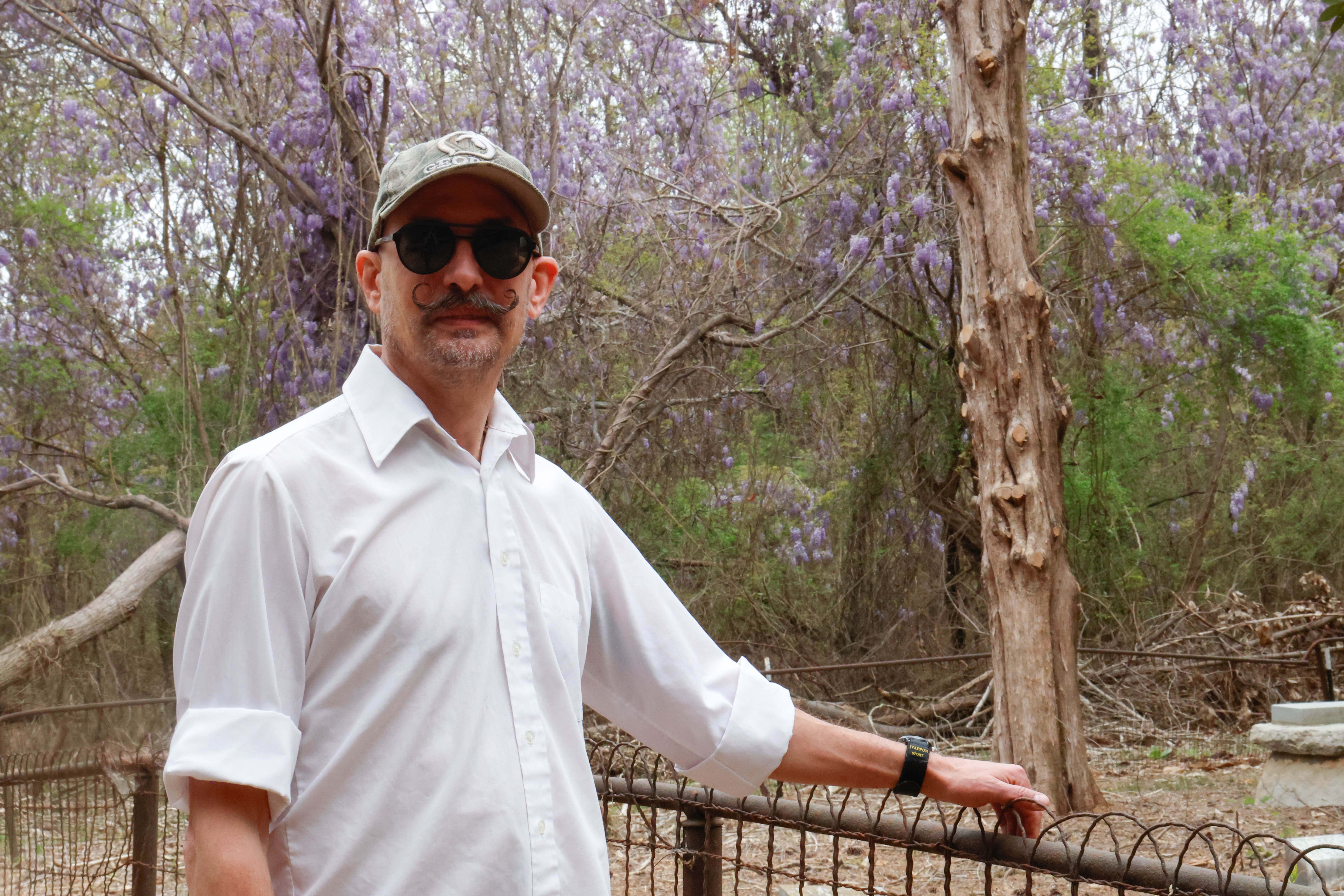
On Feb. 4, 1837, an Oglethorpe County man named Nathan Harris offered 1 acre of land along Millstone Creek to Millstone Baptist Church.
Nearly 200 years later, his descendants are returning to that land to honor him, and two other ancestors, at a memorial service on Sunday.
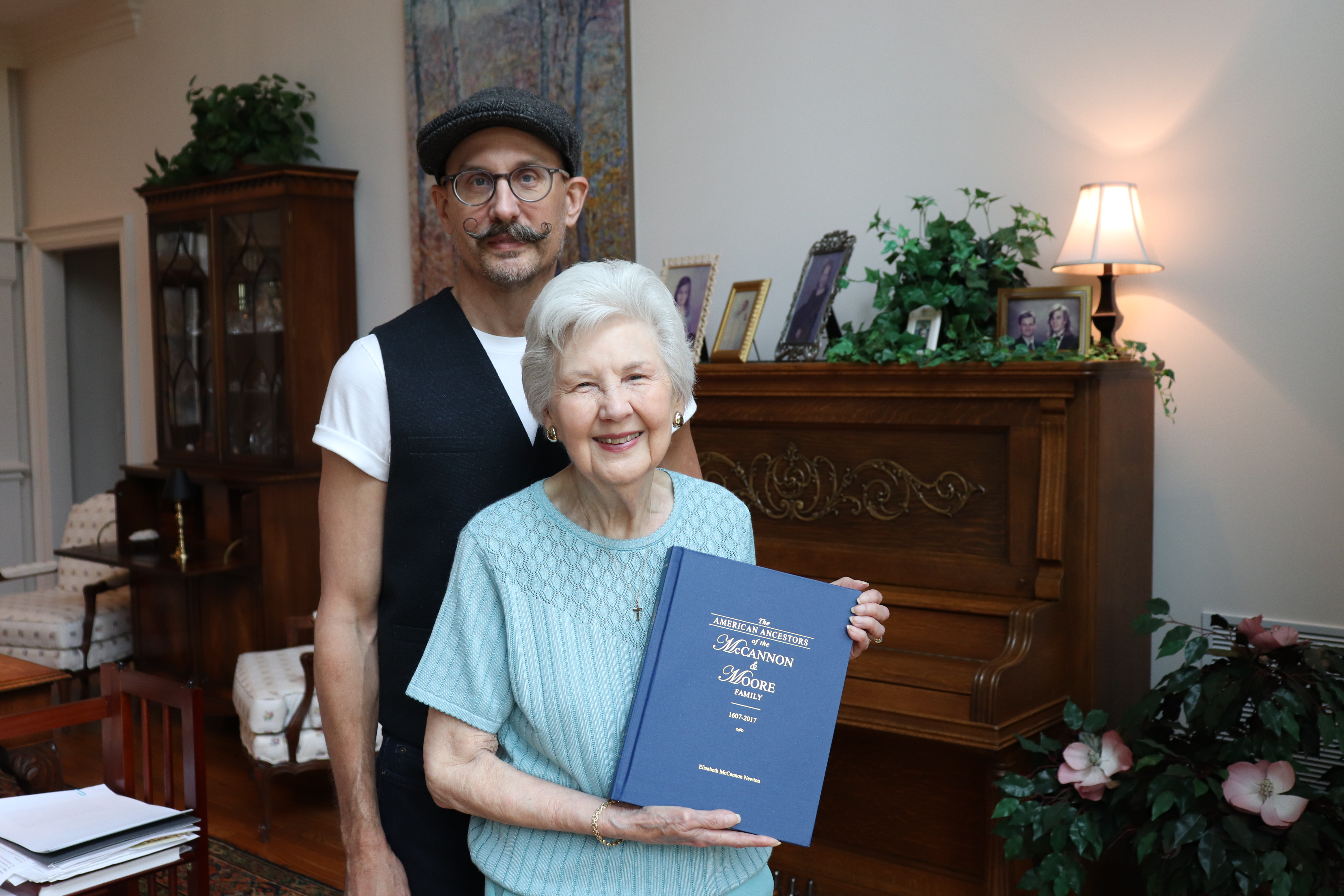
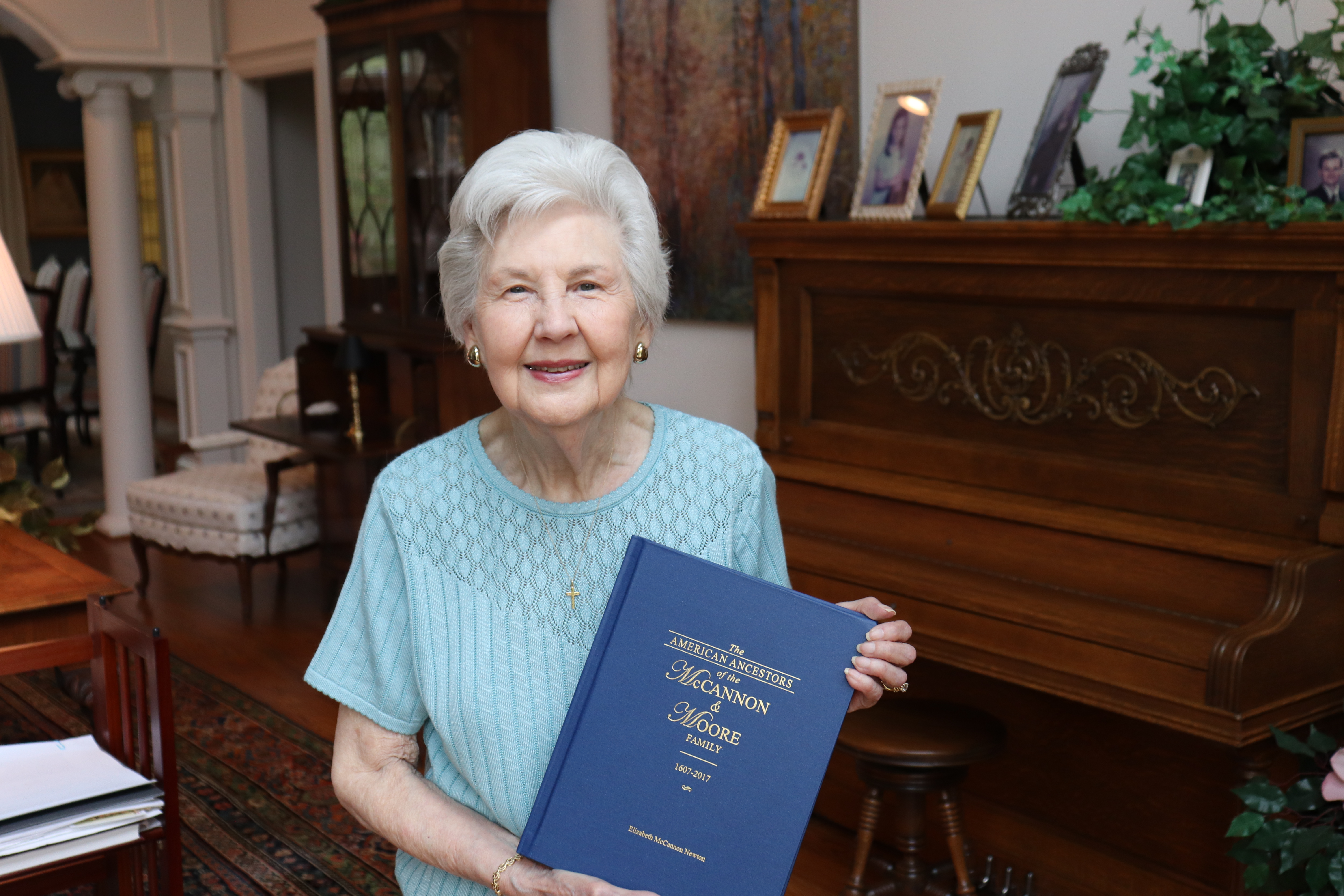
Elizabeth Newton and her family will gather to celebrate their ancestors, but also to celebrate the culmination of her life’s work — genealogical research.
“When I was 16 years old, my grandmother died,” said Newton, who lives in Cumming. “I realized then that she was my grandmother and I didn’t know anything about her. That’s when I started asking questions.”
Those questions led her to libraries, courthouses, archives and cemeteries across Georgia and Virginia. She’s spent more than 50 years conducting interviews, rifling through documents and meticulously compiling her findings.
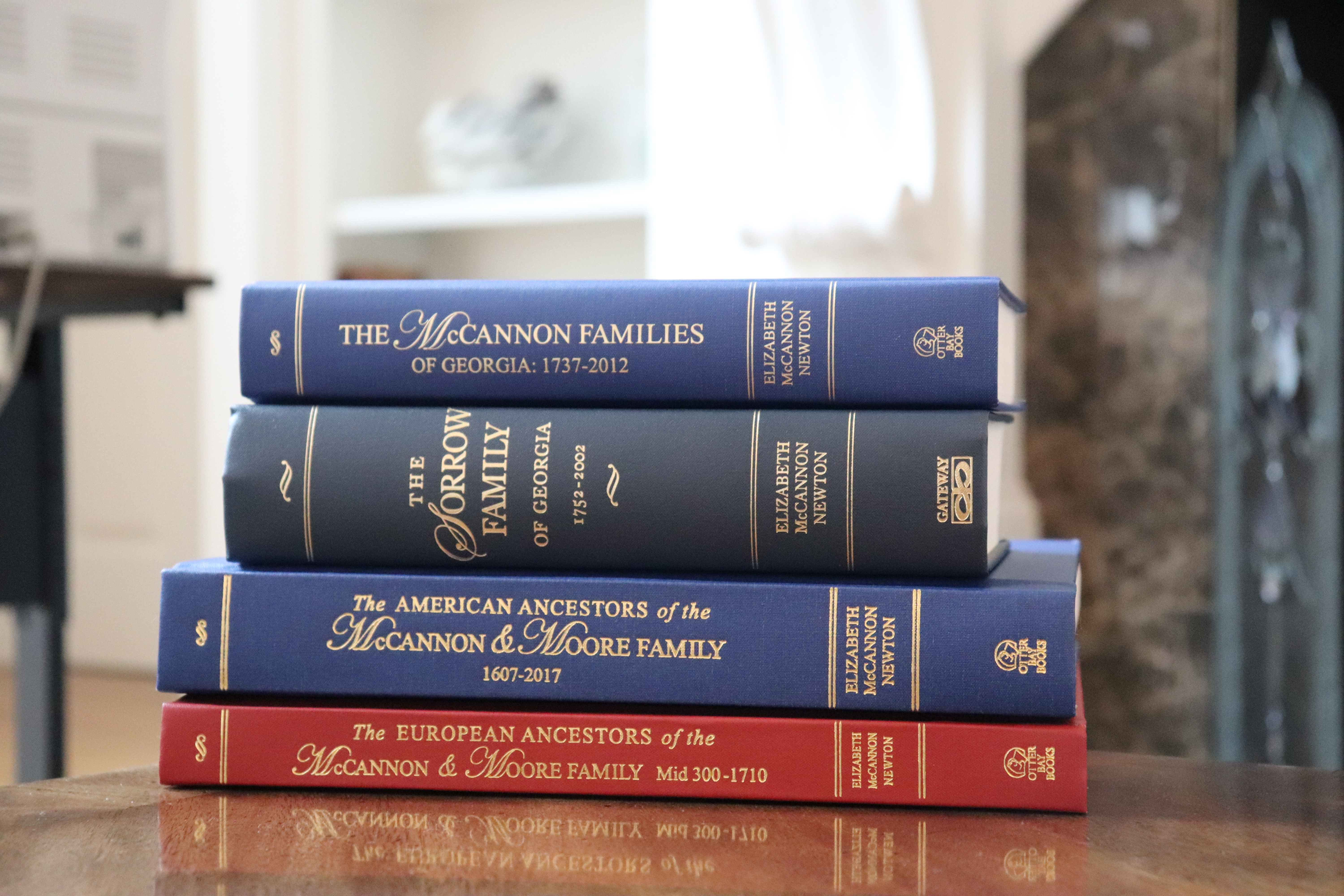
At 86, Newton is the author of four genealogical history books, published by Otter Bay Books: “The Sorrow Family of Georgia 1752-2002”; “The McCannon Families of Georgia: 1737-2012”; “The American Ancestors of the McCannon and Moore Family 1607-2017”; and “The European Ancestors of the McCannon and Moore Family Mid 300-1710.”
“In 2017, I knew that I had to stop the research and compile what I had,” Newton said. “If I didn’t, it would end up being thrown away.”
A certified librarian who worked in the Fulton County Library System for 10 years, she said information was only included in her books if she could verify it.
Newton successfully traced her European ancestry back as far as the year 300. Her ancestors arrived in the American colonies in 1607.
“We started this country, literally,” Newton said.
Her family’s roots in Georgia run deep.
Many of Newton’s forebears traveled south along the Great Wagon Road from Virginia in search of opportunity after the American Revolution. By 1805, most had settled in Georgia, taking advantage of headright land grants and the promise of a new life.
“Free land,” Newton said. “You can’t beat that.”
Among them was Nathan Harris, who moved to Oglethorpe County in 1811 and bought 200 acres along Macks Creek for $600.
By the time of the 1850 census, Harris was recorded as owning 37 enslaved people, a fact Newton discovered through old tax records and courthouse documents that also specified details such as age and gender.
Though Newton hasn’t been able to find information about Harris’ parents, detailed records of his life in Oglethorpe County reveal a close connection to Millstone Baptist Church.
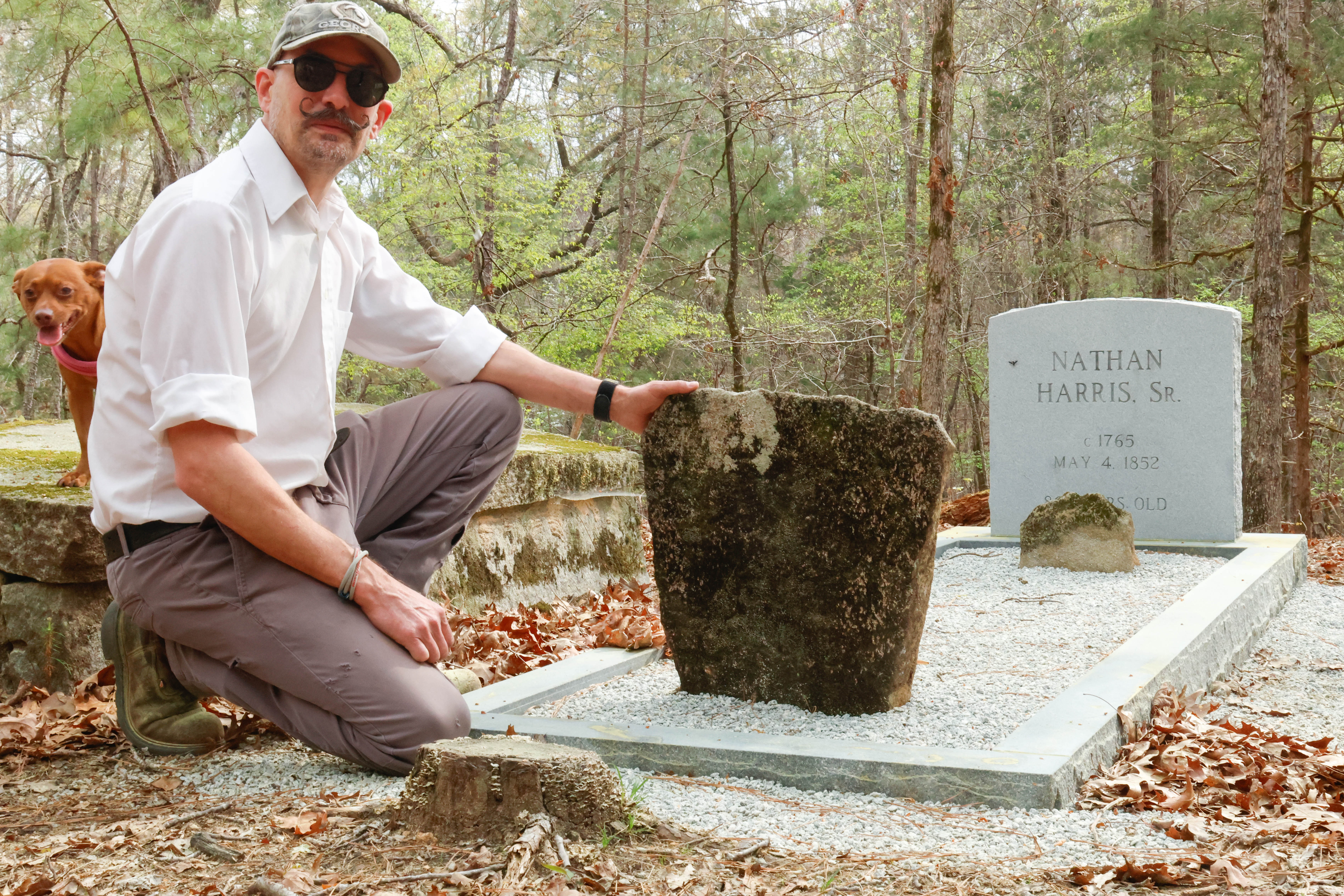
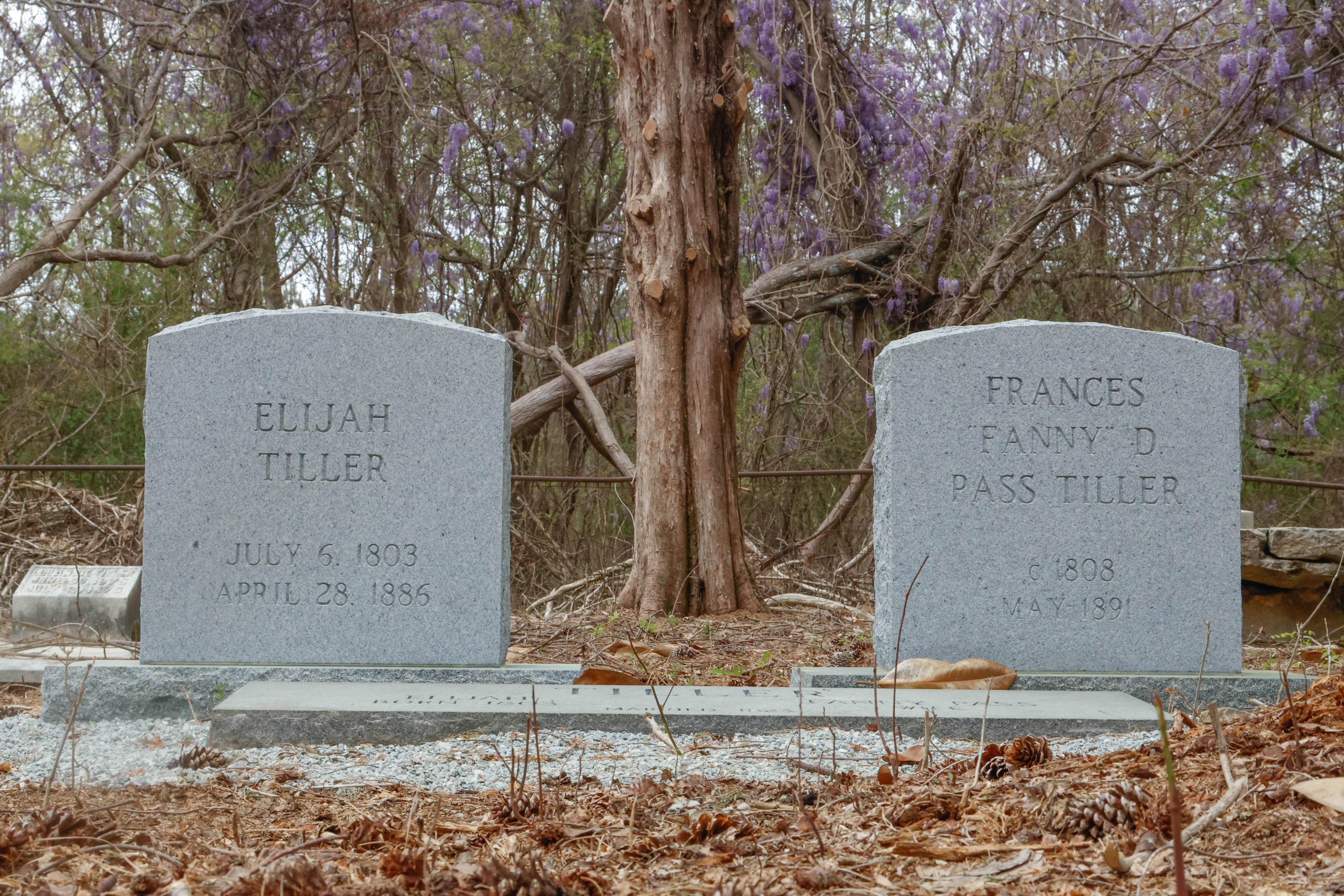
Sunday’s service at the church, which was founded on the land Harris once owned. Following a brief introduction, attendees will visit the cemeteries where Harris, Elijah Tiller and Frances Pass Tiller are buried.
The effort to find those graves took years.
After Elizabeth’s husband died in 2012, her son David Newton joined in her search.
“My mom and dad used to drive around Oglethorpe all the time, looking for these cemeteries,” David said. “After my dad passed, I told her, ‘Wait a minute — you can’t find them? They exist somewhere.’”
Determined, he used satellite imagery, tax records and Google Maps to locate the overgrown and long-forgotten Pass-Harris and Tiller cemeteries.
Elizabeth is a member of the United Daughters of the Confederacy, among other genealogy-linked organizations. She said the UDC puts a special focus on memorializing Confederate soldiers’ graves because many families were too poor to afford proper headstones after the war.
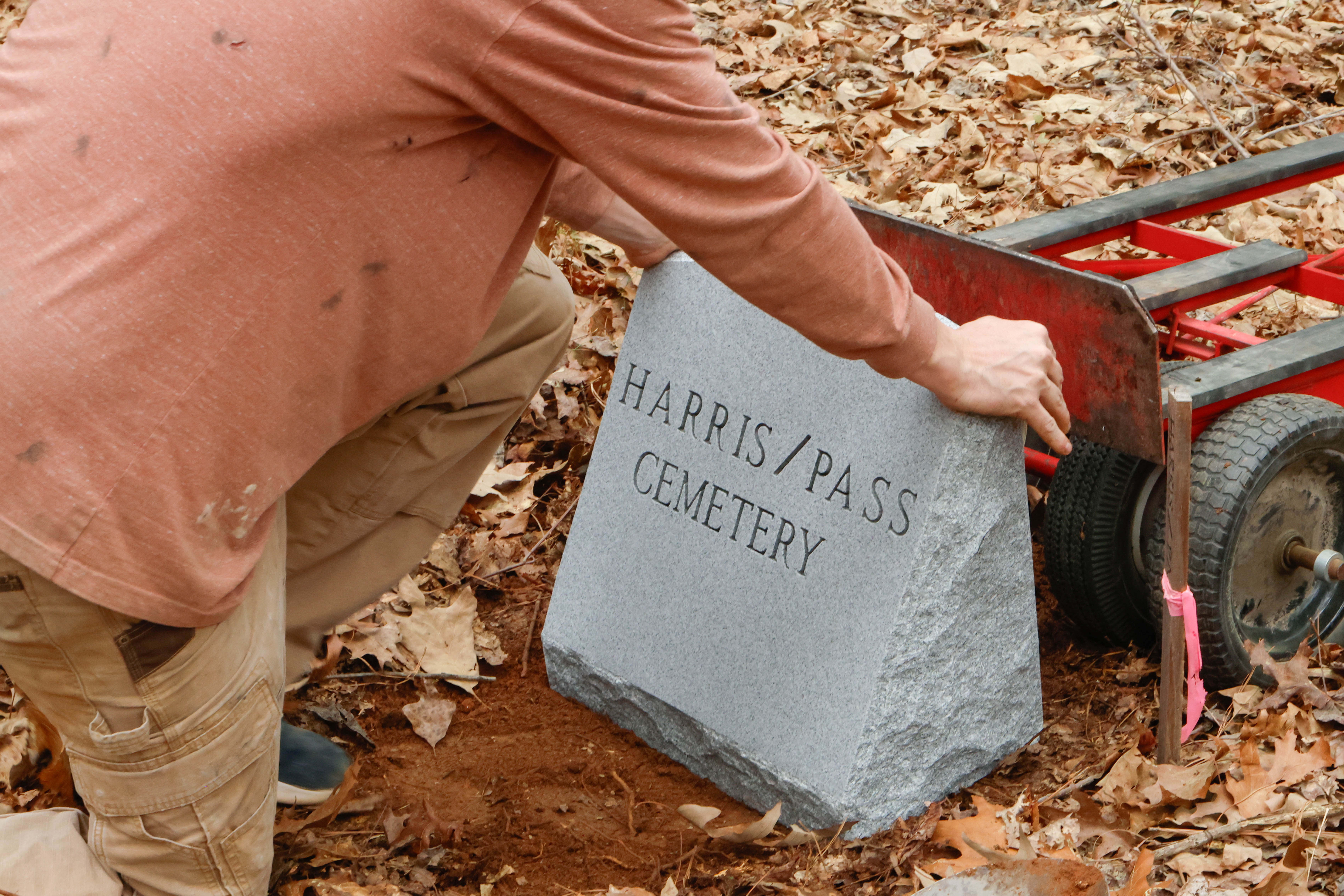
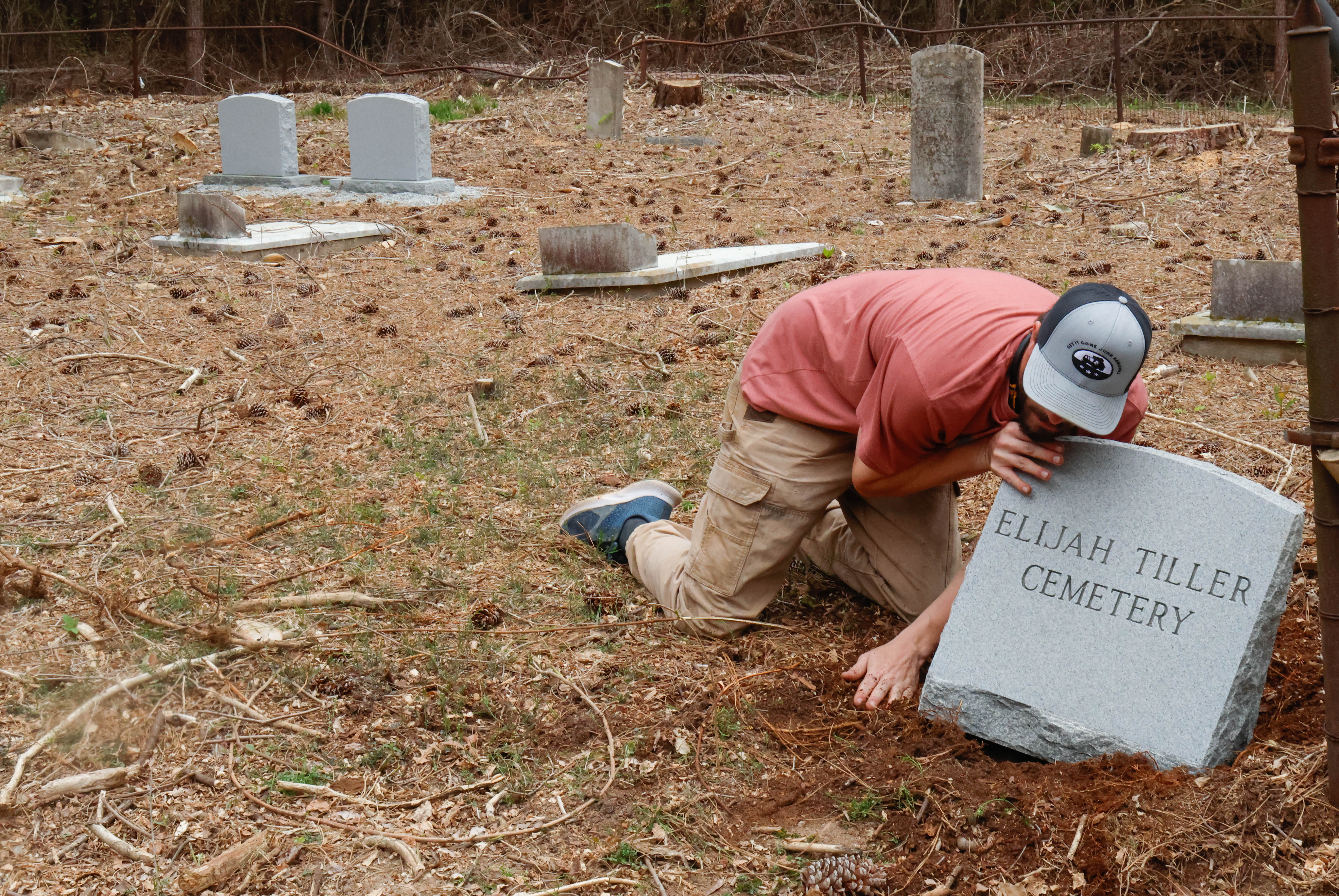
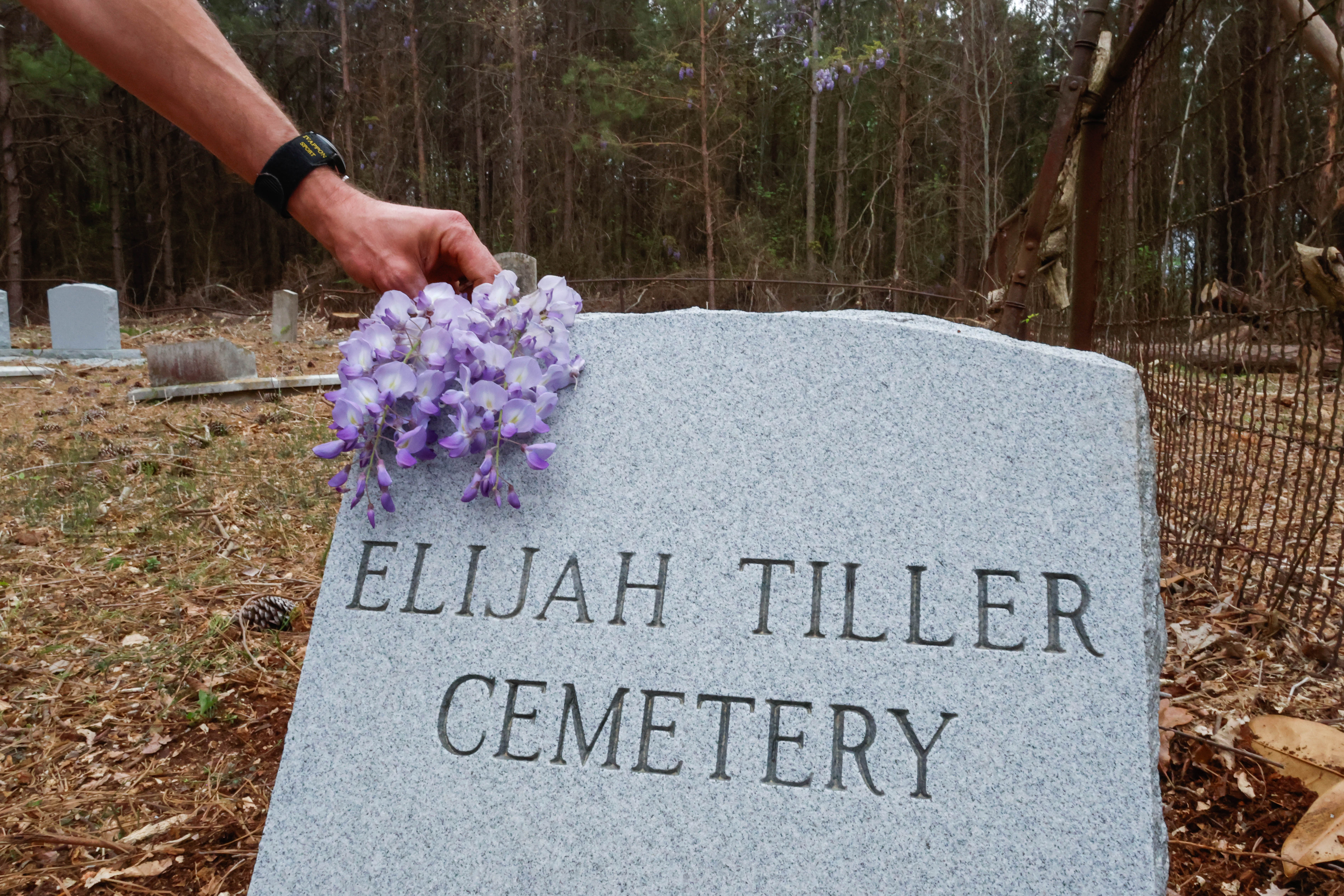
Upon finding the sites in January and February 2023, the Newtons spent more than $25,000 to clear the land and add new headstones and cemetery markers. They commissioned Elberton engraver Nick Lewis to complete the job.
Now, with the new markers in place and the cemeteries cleaned and cared for, the Newton family hopes its memorial service will inspire others in Oglethorpe County to preserve their own heritage.
“Everything about you came from somebody, and these people made me,” Elizabeth said. “They’re living people to me. They’re not just a name. When I researched all of the people, I felt like they were mine — and they are.”