
From Native Americans to UGA climbers, Lexington landmark remains treasured
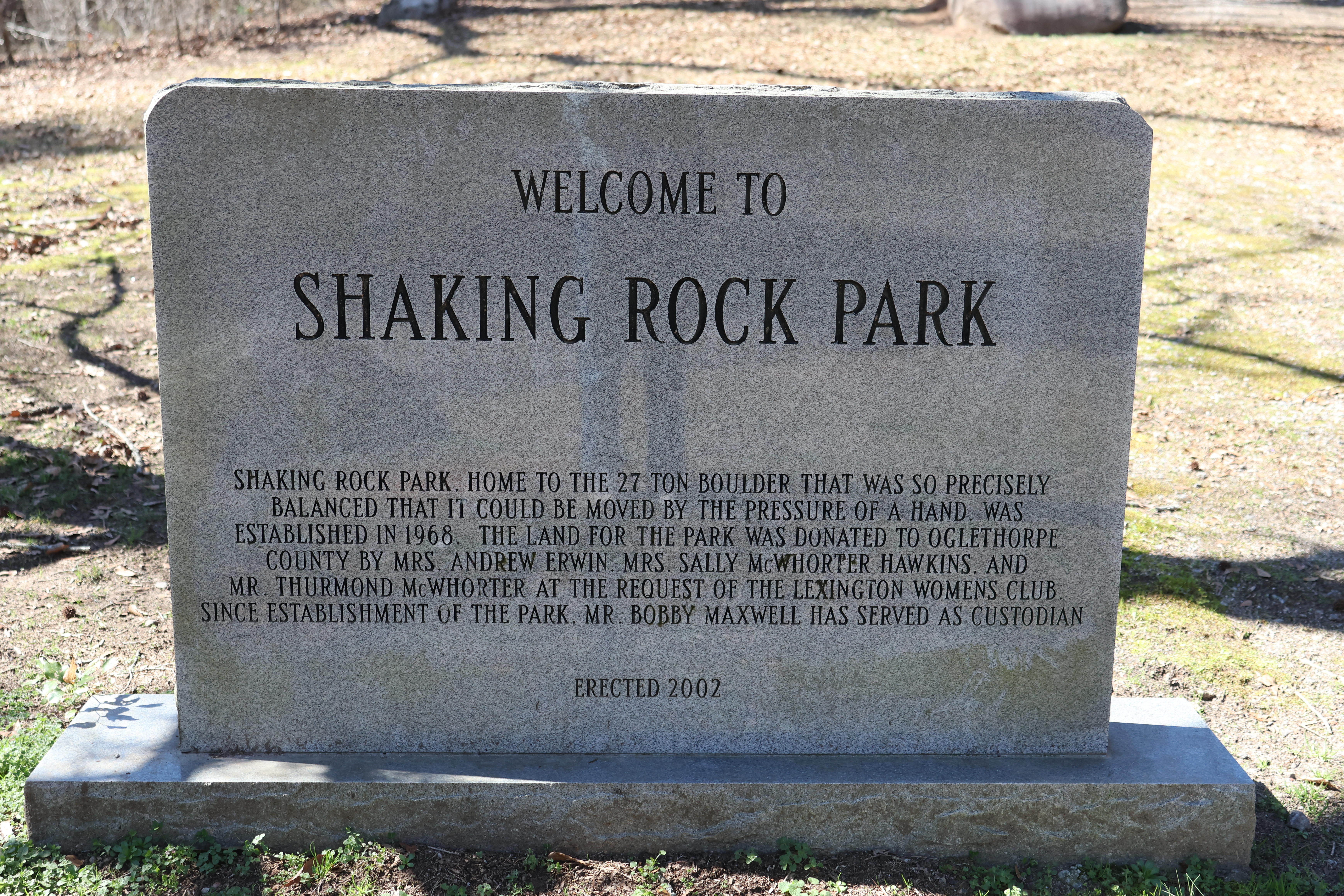
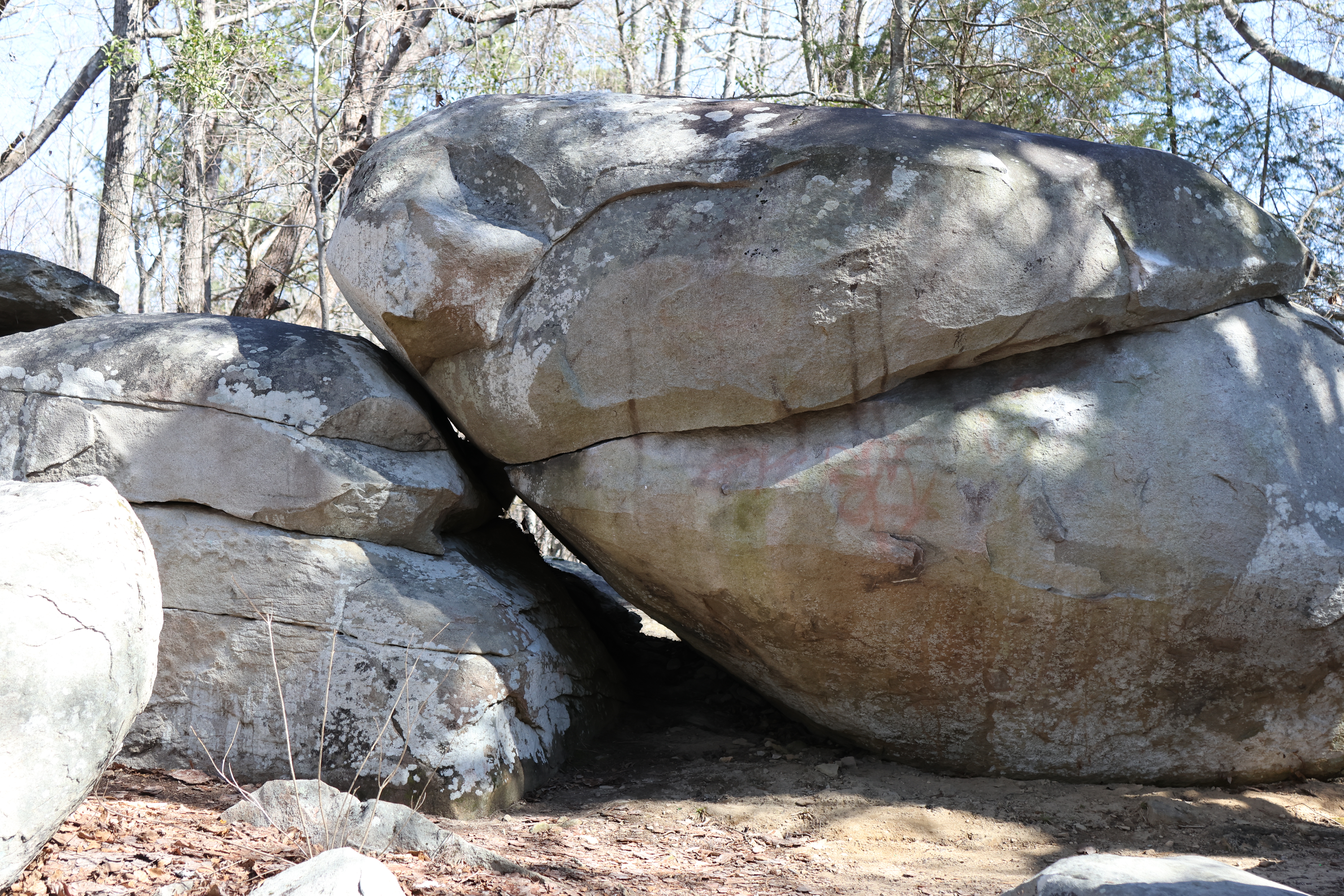
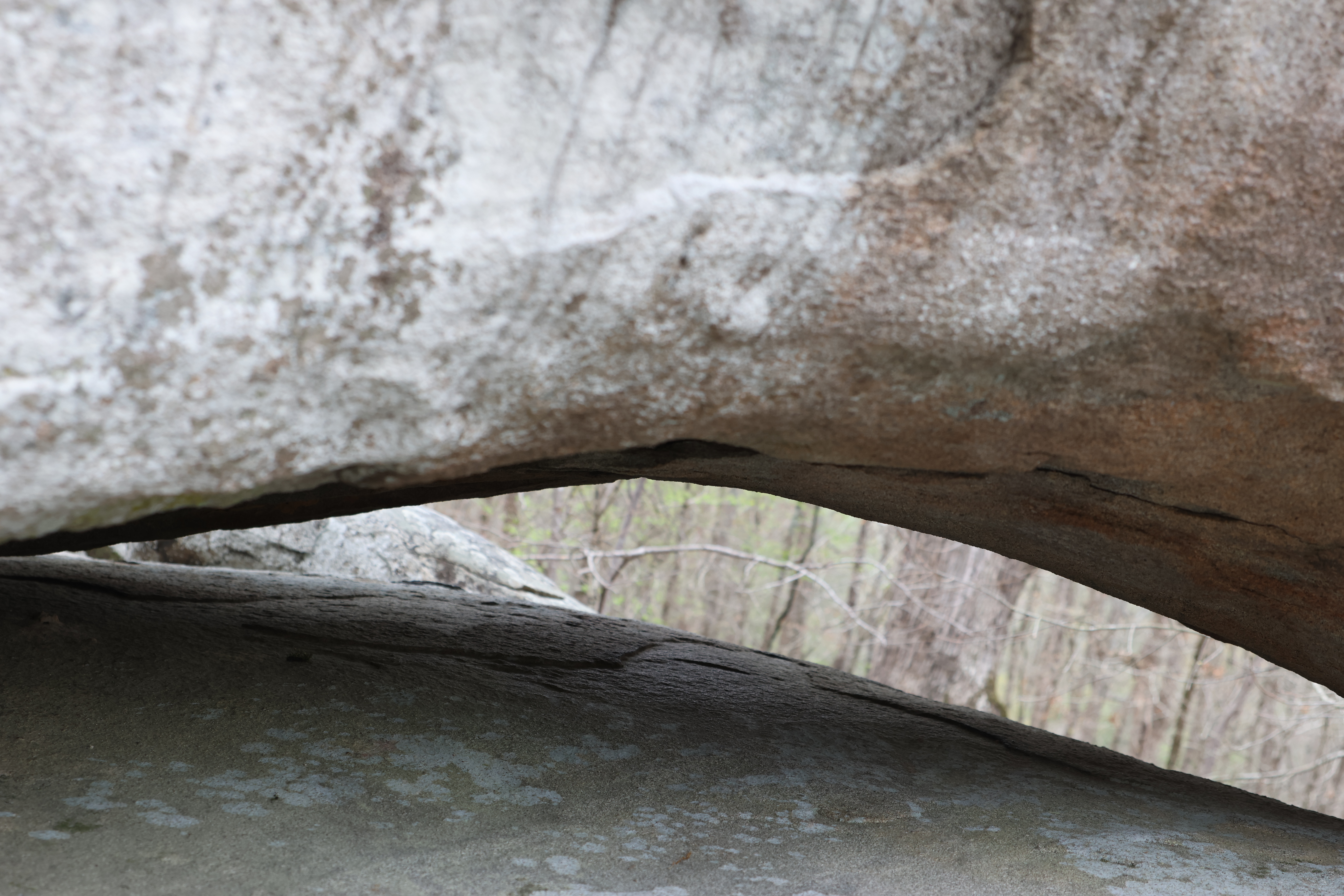
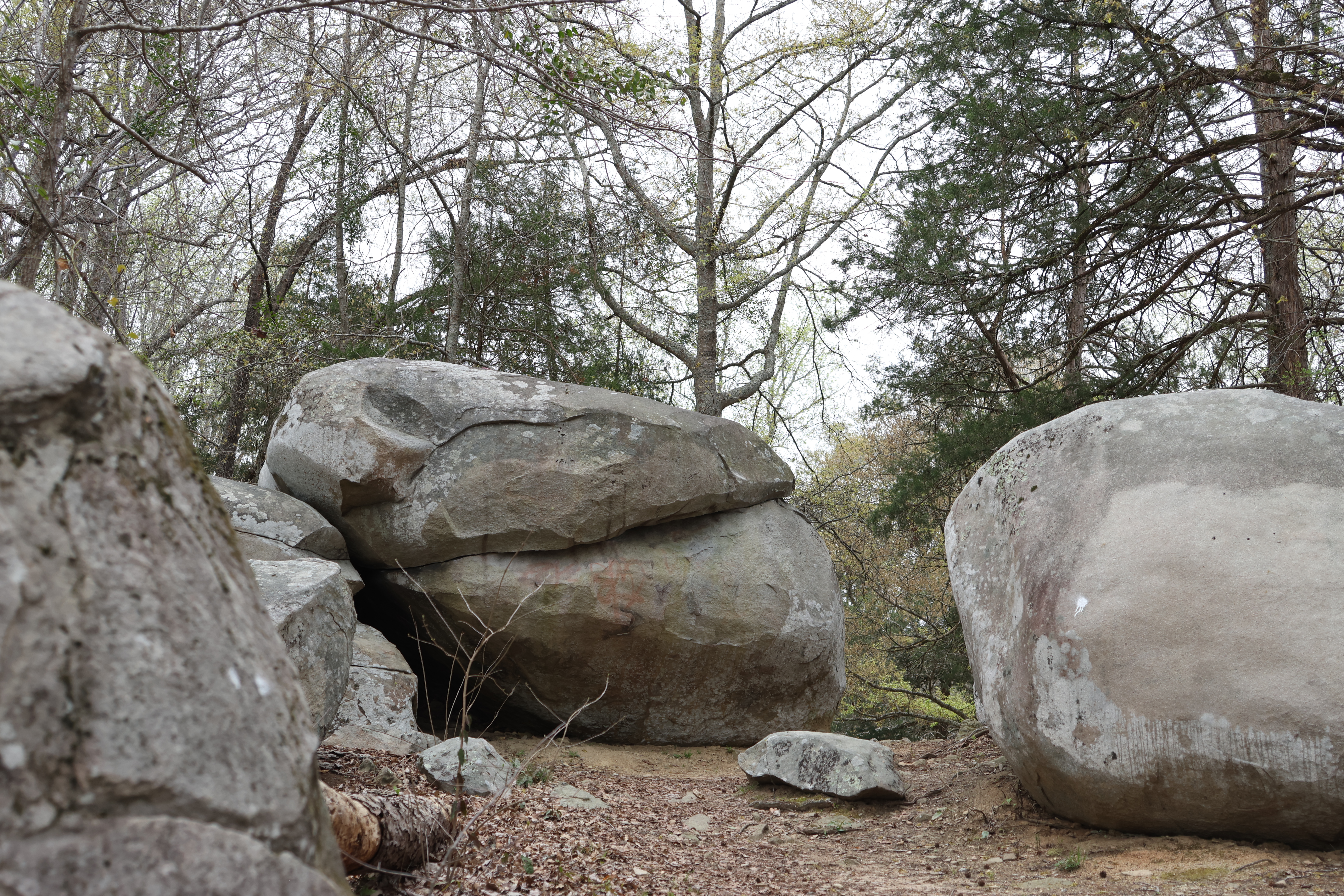
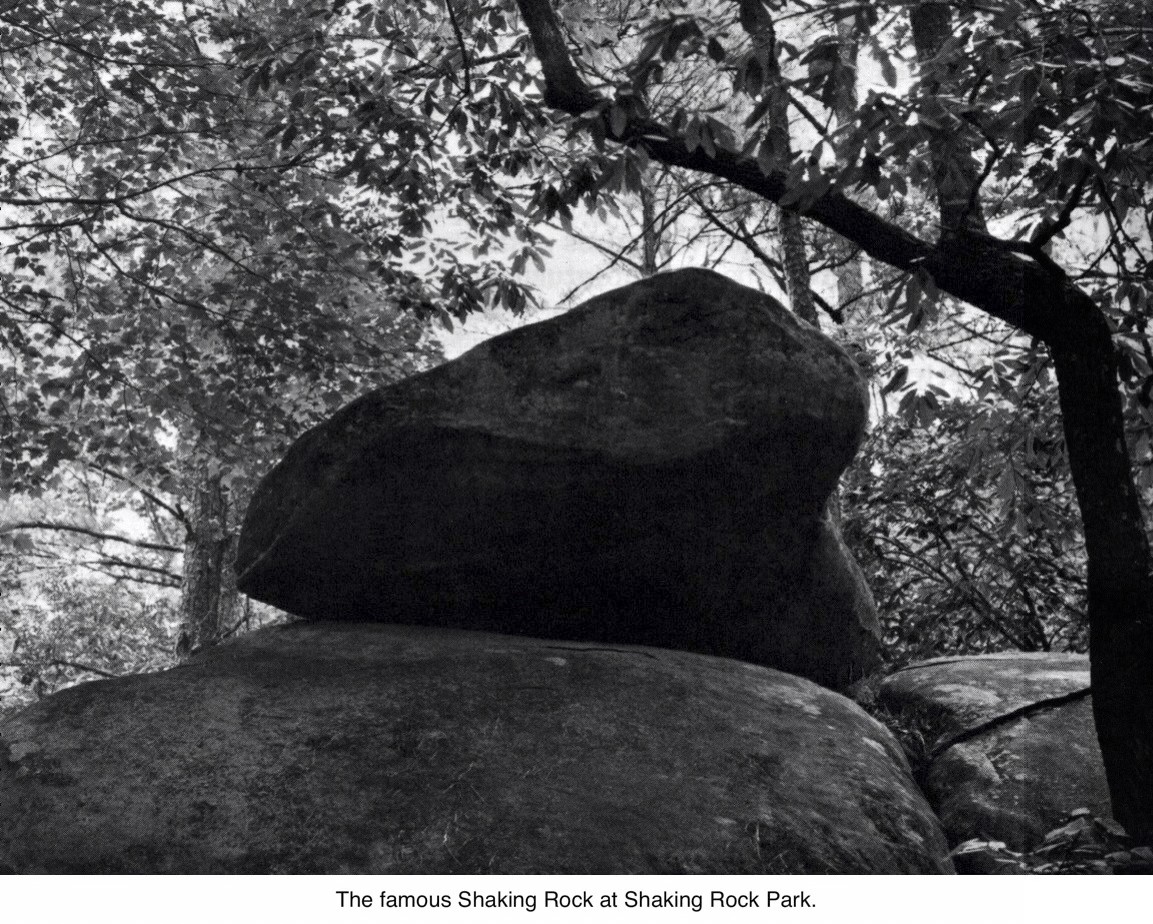
The famous Shaking Rock at Shaking Rock Park.
The real, more modern history starts with Judge Hamilton McWhorter, who deeded Shaking Rock to his family, which then donated the land to the Lexington Woman’s Club in 1968. The club cleaned up the property with the intention of it becoming an area for picnics and other outdoor family activities.
The park was dedicated on May 3, 1970.
Bobby Maxwell, an Oglethorpe County resident, served as the land’s custodian until his death in 2012. Gresham credits much of the park’s success to Maxwell’s care.
“He really adopted Shaking Rock Park and was instrumental for a decade or two,” Gresham said.
Maxwell’s wife, Marie, was the president of the Lexington Woman’s Club, and the two worked together to organize community picnics and outings at the park.
Prior to the McWhorter ownership, the property was owned by George Gilmer, who served as Georgia’s 34th governor.
Gilmer was born and lived in Lexington for much of his life. In his book, “Georgians: Sketches of Some of the First Settlers of Upper Georgia, of the Cherokees, and the Author,” Gilmer writes about his love for the park and how he acquired it in the late 1830s.
“I had endeavored, years before, to purchase from the then owner of the new place, a very romantic spot, which had been a favorite haunt of mine when young. Now that it belonged to me, I endeavored to make it inviting to others,” Gilmer wrote.
Even before Gilmer, the Indigenous people of the region used the land as a meeting place. In 2014, Birch and a group of students worked on a cultural resource management project where they found Native American pot shards dating back to 1450 A.D.
While the group didn’t find enough evidence to suggest that there were settlements on the site, Birch hypothesized that groups camped temporarily or passed through.
“You can imagine asking someone to meet you at the big weird rock,” Birch said.
From meeting sites, to picnicking and recreation, local uses for the park have changed over the years.
Park remains popular
Now, climbers from the University of Georgia travel to the park to boulder, a form of rock climbing that involves scaling natural rock formations without ropes.
In 2021, local climbers Chase Kleist and James Sellew created a free guide to the park's climbing routes that can be found online.
Henry Day, a UGA student, recalls learning about the park from Kleist and Sellew’s guide.
“He made his own routes and established the place as a bouldering area,” he said.
For local climbers, maintaining Shaking Rock is important.
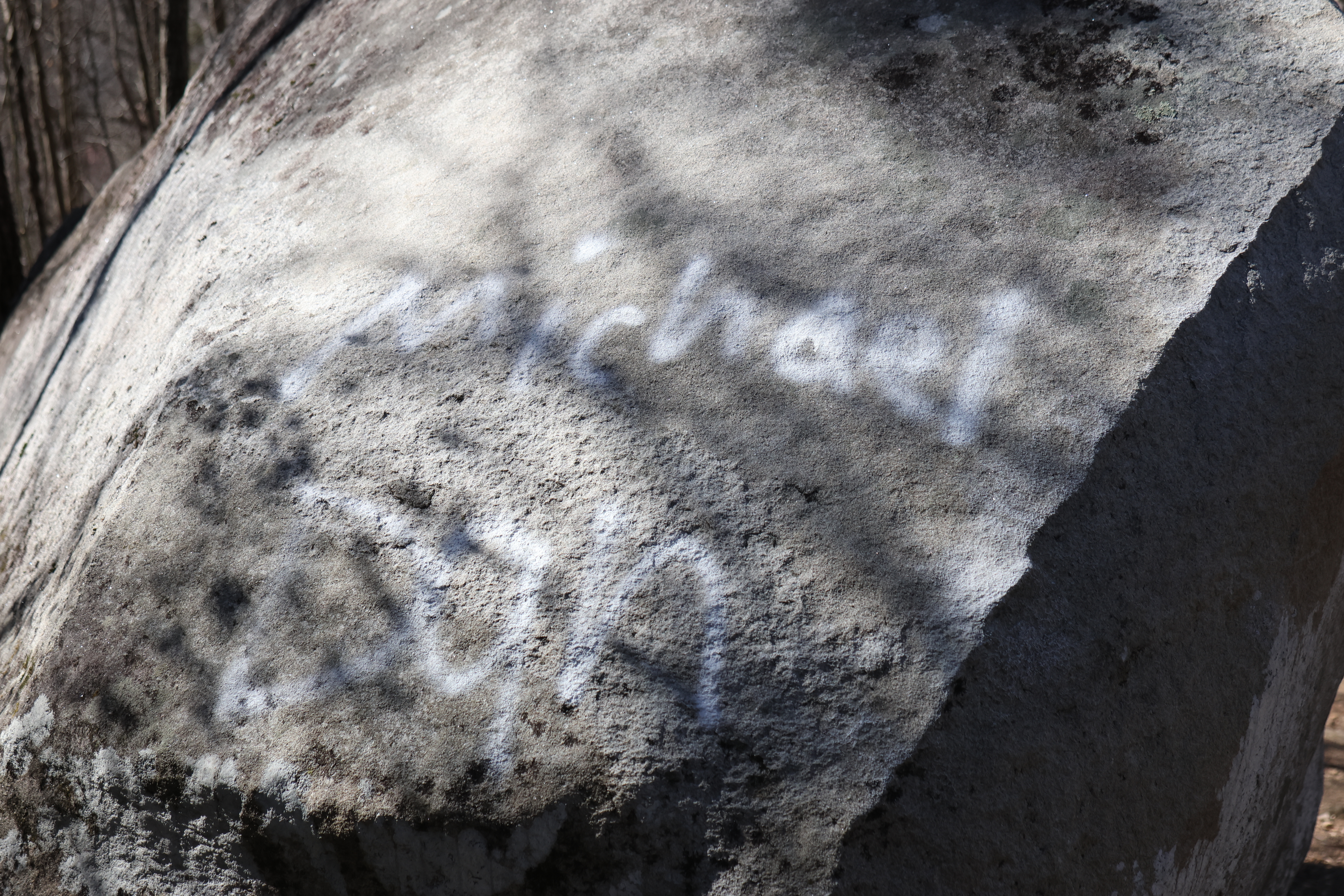
Graffiti found on many of the boulders alters the rock's surface texture, making climbs more difficult. Twice in 2019, climbers from UGA’s Climbing Club worked to remove built-up graffiti from the boulders.
Since then, the club has made an effort to remove any major vandalism.
Centuries have passed, yet Shaking Rock still stands as a landmark for residents of Oglethorpe County and beyond.
“That’s really what it was known for. A curiosity where you take visitors and for the community to gather,” Gresham said. “Just mild, passive recreation and to go marvel at the shaking rock.”