
I would like to provide a different perspective on the possible dissolution of the U.S. Department of Education.
First, some corrections: We are neither first in spending, nor last in achievement. According to the Organisation for Economic Co-operation and Development (OECD), the U.S. is eighth out of approximately 40 countries for percentage of population completing high school, 23rd for average years of education, sixth in reading, 13th in science and 28th in math.
The U.S. is third highest in spending, including colleges (sixth with just primary spending), but we also provide services many other countries do not: meals, transportation, extracurriculars,and education for the gifted and disabled.
The U.S. Department of Education has many responsibilities, including strengthening federal support for equal access to educational opportunities for every student, supplementing and supporting public and private schools, researching and sharing information about educational needs and improvements, coordinating and managing federal education programs and funding, and increasing public participation in and accountability of federal education programs.
It is not responsible for decisions about curriculum, grading, scheduling or specific assessments; these are already handled at the state and local level. It also does not create federal laws about education; that is Congress’ responsibility.
With this in mind, many of the objections raised about the DOE in a March 27 letter to the editor in The Oglethorpe Echo are not really DOE issues.
Systems or schools might encourage teachers to promote unqualified students, might fail to provide sufficient training in appropriate and ethical accommodations for the needs of English language learners, or might direct teachers not to teach or assess properly. However, none of that is the fault of the DOE, nor will it be fixed by destroying that department.
The DOE’s mission is, in part, to ensure accountability. It seems counterintuitive to claim, “States are already lying about what students can do, so we should let states hold themselves accountable.”
Regarding inclusion: In 1970, before IDEA, only 1 in 5 students with disabilities were educated in public schools, and many states had laws specifically forbidding these students public education access.
I am one of the students who benefited from inclusion. Inclusion meant that as a student with cerebral palsy, I was not deemed “ineducable” and shuffled off to a hospital or asylum, as I might have been in the 1960s.
I was given equal opportunities to succeed, and I did not steal anything from my peers’ education while doing so. The implication that supporting students with special needs automatically causes other students to “lose out” is offensive.
While I empathize with how difficult it can be to provide appropriate support and challenge for many ability levels, that is not a problem that started in 1990. That is part of the art and craft of teaching. If a student’s severe disability means that the regular classroom is not the best environment for him/her, that is again a local decision made with parents, teachers, and administration, not USDoE.
Oglethorpe County Schools’ slogan is actually, “Excellence for every student, every day!”
The DOE helps us make that slogan a reality by providing funding, research, and training that helps teachers meet the needs of all of our students.
Georgia received the eighth highest combined Title I and special education grants in the nation in 2023 ($1.1 billion); federal funding made up over 16% of our state education budget in 2022.
Our impoverished students, English language learners and students with IEPs/504s are more likely to have equal access to quality education, thanks to the DOE.
The Trump administration apparently plans to delegate the department’s responsibilities to others, like the Small Business Administration or the Department of Health and Human Services, but both of those departments are facing reductions in force (43% and 24%, respectively), and neither has expertise with educational law and policy.
This change would be a needless risk to the futures of our most vulnerable students.
Parents and voters, good news: You have a voice in educational decisions.
The vast majority of decisions are made at the state and local level.
- Talk to your children’s teachers.
- Join the PTO.
- Attend school board meetings and listening sessions.
- Give input on state surveys.
- Call state and federal representatives when you have concerns.
And for the sake of the students, tell your representatives to preserve the Department of Education.
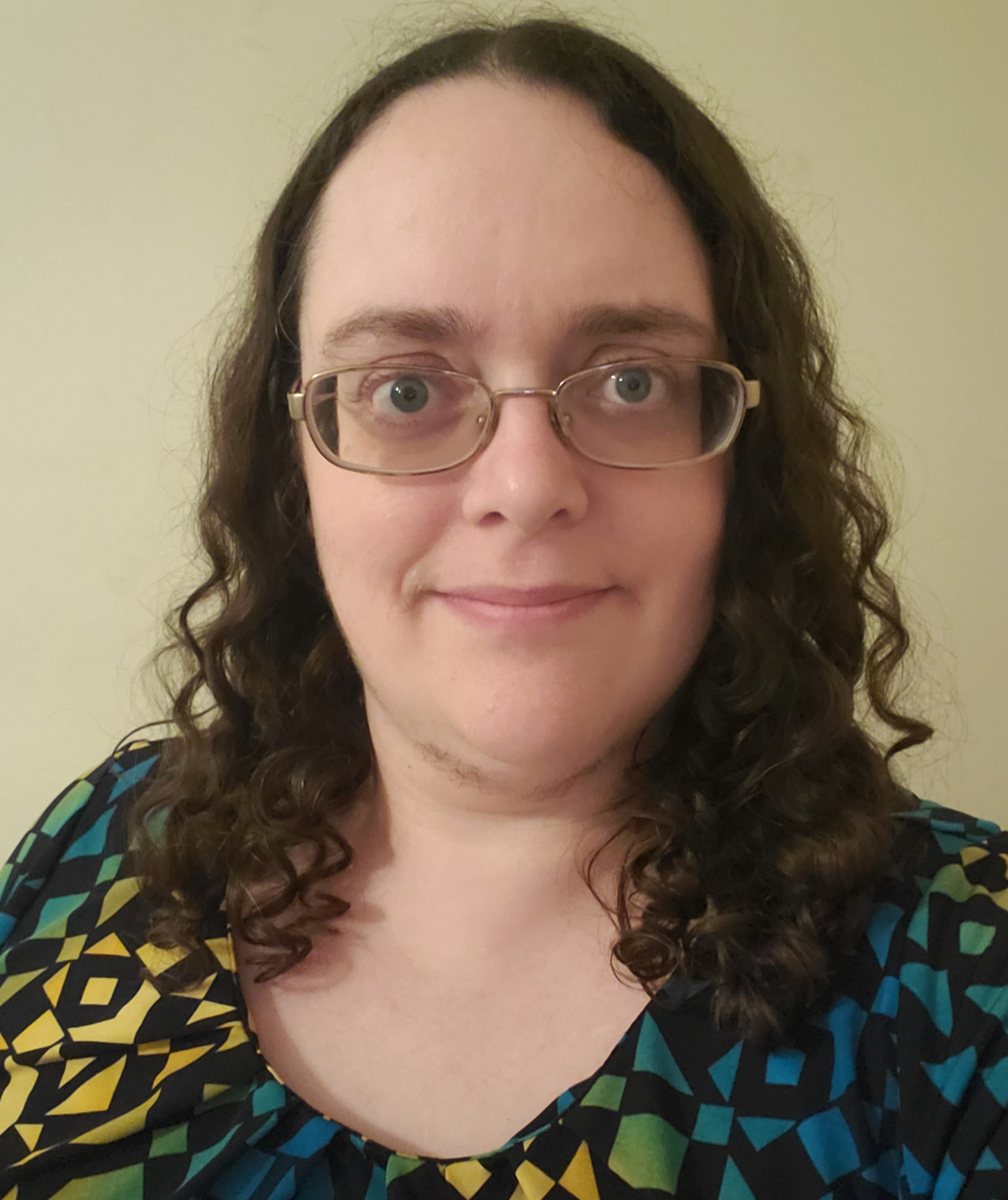
Elaine Kitchens is an Oglethorpe County native, lives in Lexington and is a proud alumna of Oglethorpe County Schools. She is celebrating her 20th year as an English teacher at Oglethorpe County High School.