

Julio Soto
Countless volunteers worked hard to ensure nearly 460 Oglethorpe County cemeteries weren’t forgotten, and one business offers a service focused on giving the tombstones a bit of TLC.
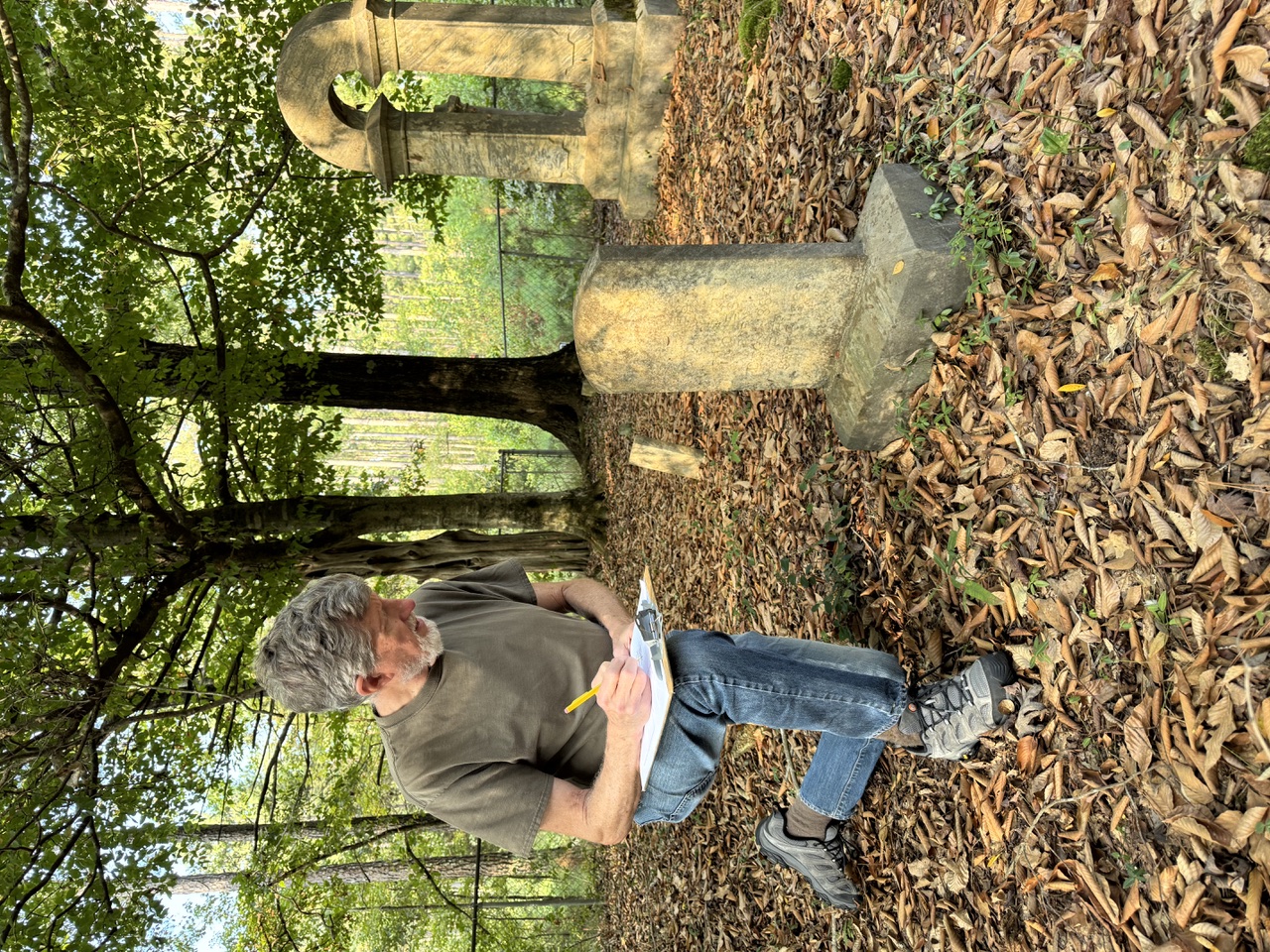
Julio Soto of Crawford is the owner of Soto’s Pressure Cleaning, a business he runs when he’s not serving as an Oconee County Sheriff’s Deputy. He’s cleaned more than 50 tombstones since starting his business in February 2021, and has several requests for the service a year.
“Just try to help preserve history, preserve families’ namesake and honor people,” Soto said.
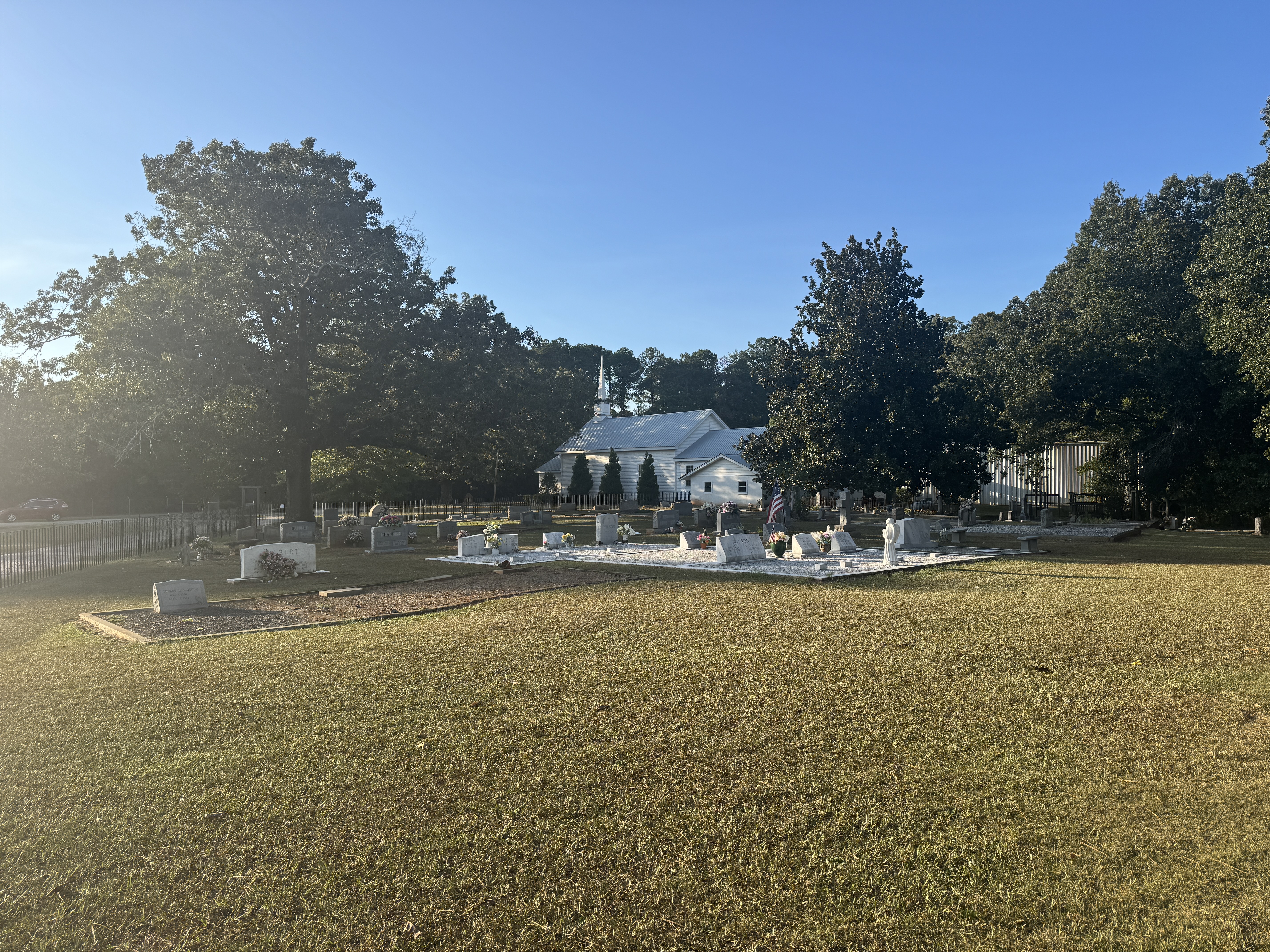
Tom Gresham, who’s working on the Digital Atlas of Historic Oglethorpe County, said the gravesites are documented in the county’s cemetery book, “Cemeteries of Oglethorpe County, Georgia,” and logged digitally on the county’s qPublic site.
“Everywhere in Georgia has somebody, one historic society or another, recording all the cemeteries in most every county,” Gresham said. “I like to brag. I think we’ve got one of the most thorough books.”
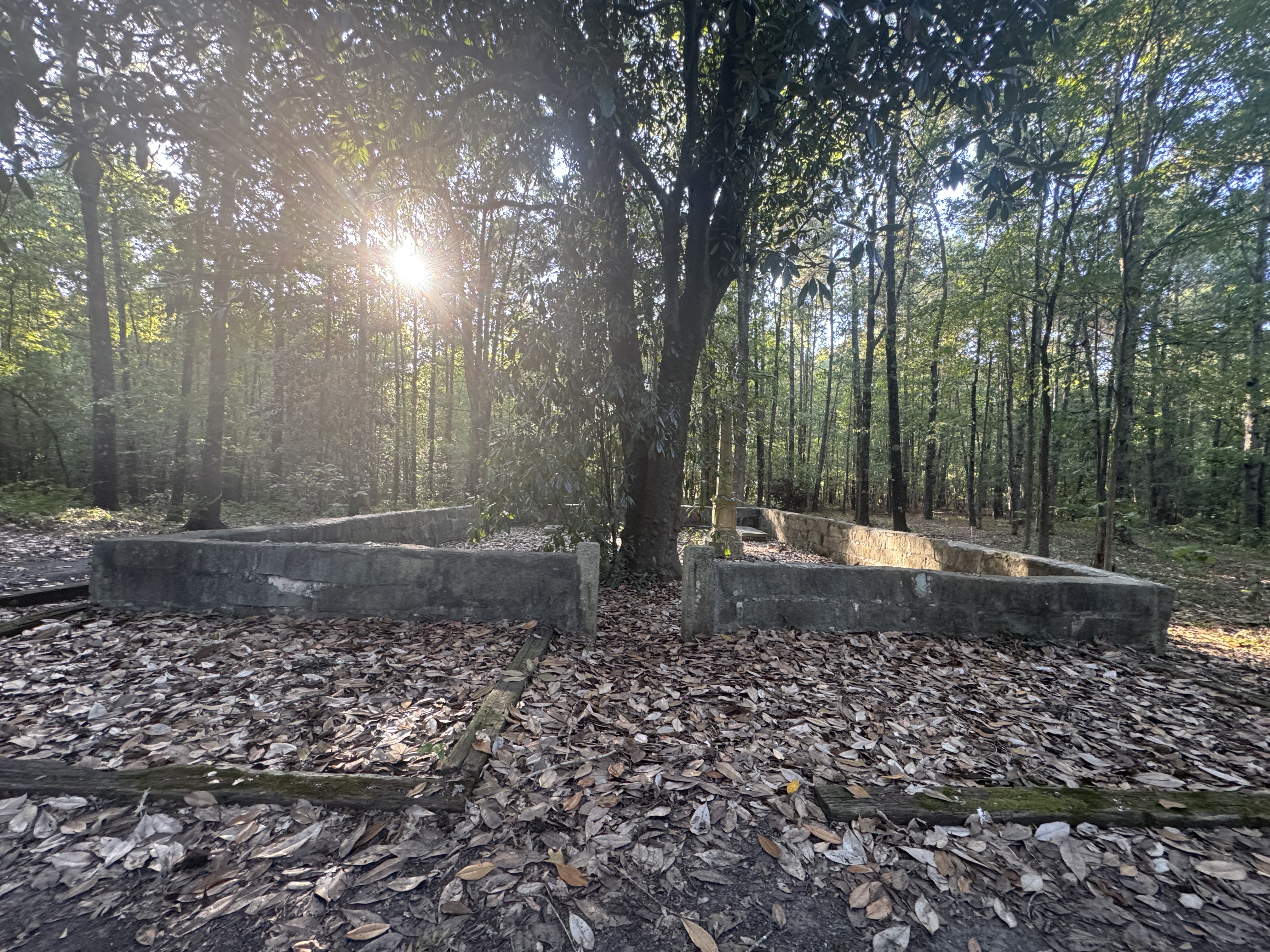
One of these grave sites is the William H. Crawford Family Cemetery.
William H. Crawford was the former governor of Georgia and U.S. Minister to France, and is the namesake of the county’s largest city.
“He’s probably our most famous citizen,” Gresham said.
The historical site is about one-half mile west of the Crawford city limits.
“It’s a little rock-walled, beautiful cemetery with a great big magnolia tree in it,” Gresham said.
Tombstone restoration
Many factors can contribute to a tombstone deteriorating, including weather over time, location (whether it’s shaded by trees or in the open) and the kind of stone used. Most graves in Oglethorpe County are made from granite.
“They physically decline,” Gresham said. “They physically just wear away.”
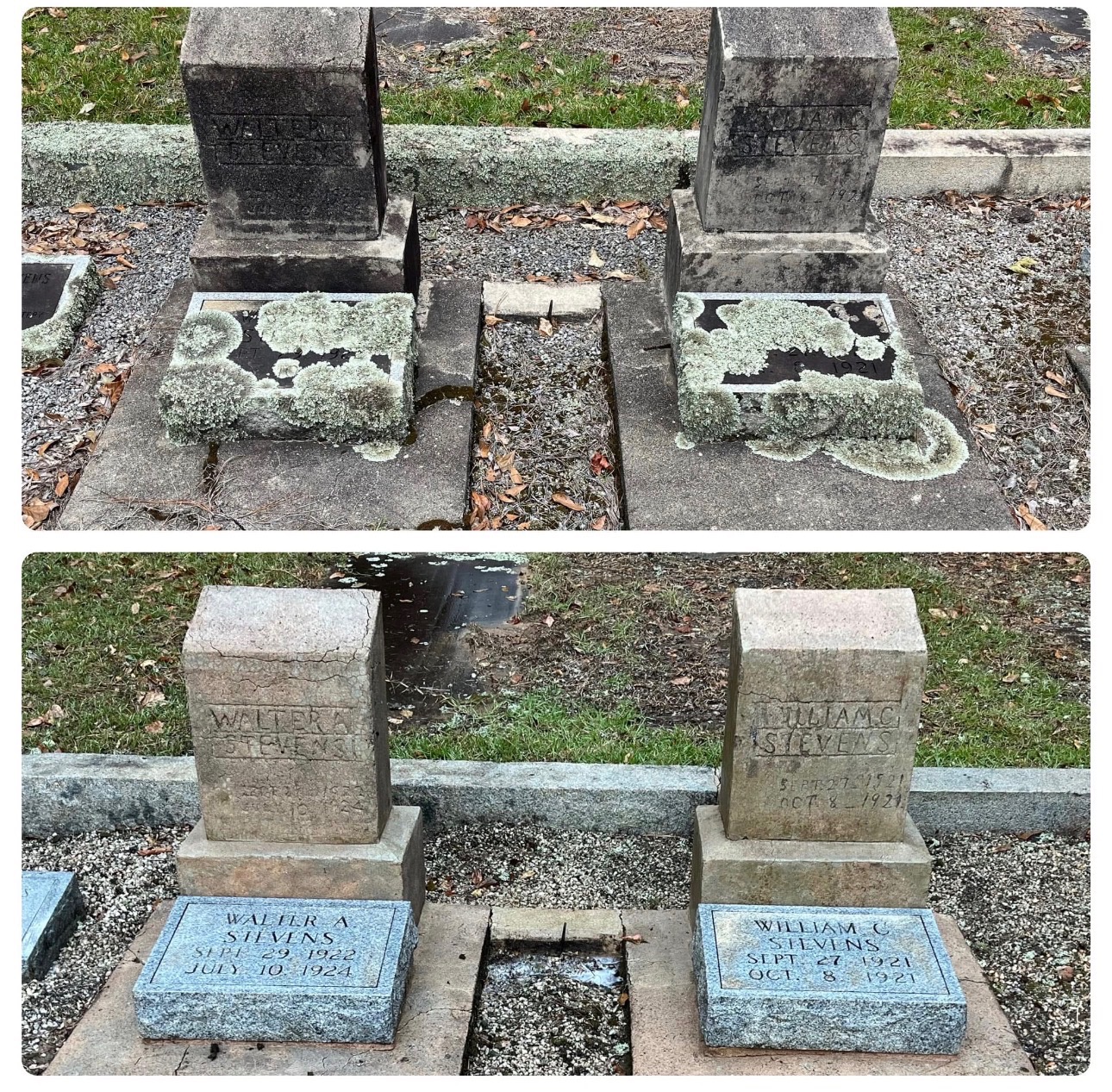
But how long does a restoration take? Soto said the time needed to complete a restoration depends on the stone’s condition and the type of plant growth.
“The green and black-green algae grows from moisture and being under shade,” Soto said. “But typically, over a period of time, they get lichen and then moss, and that’s the more progressive form.”
Soto said the service’s cost depends on the stone’s size and condition. But there have been times when he doesn’t charge at all.
“I’ve done many for nothing,” Soto said. “Just because they were veterans or because I was in the area and someone stopped me, and I was already doing the job.”
Best practices
Both Soto and Gresham said the most important thing to keep in mind when cleaning a tombstone is to be gentle.
“It’s a lot of elbow grease, a lot of hands-on scrubbing,” Soto said. “No high pressure because you don’t want to break letters or mess up any of the detailed work on the stone.”
The Georgia Department of Natural Resources recommends starting by completely wetting the tombstone before using a scrub brush to clean it. If additional cleaning is needed, it recommends using a cleaning solution that won’t harm the stone.
Gresham recommended using D/2 Biological Solution and Soto uses OneRestore.
“When there is this lichen growing on them, you are tempted to get something stiff,” Gresham said. “But they do have ways to do it and you just start slow.”
Soto said the pressure washing business can keep him busy when he’s off duty, but the way it helps the community makes it worth the time.
“Sometimes, some of the cemeteries aren’t kept up like they should be,” Soto said. “And just to help out, so you can read some of the names and the dates and honor the family. “We helped out by cleaning them.”