
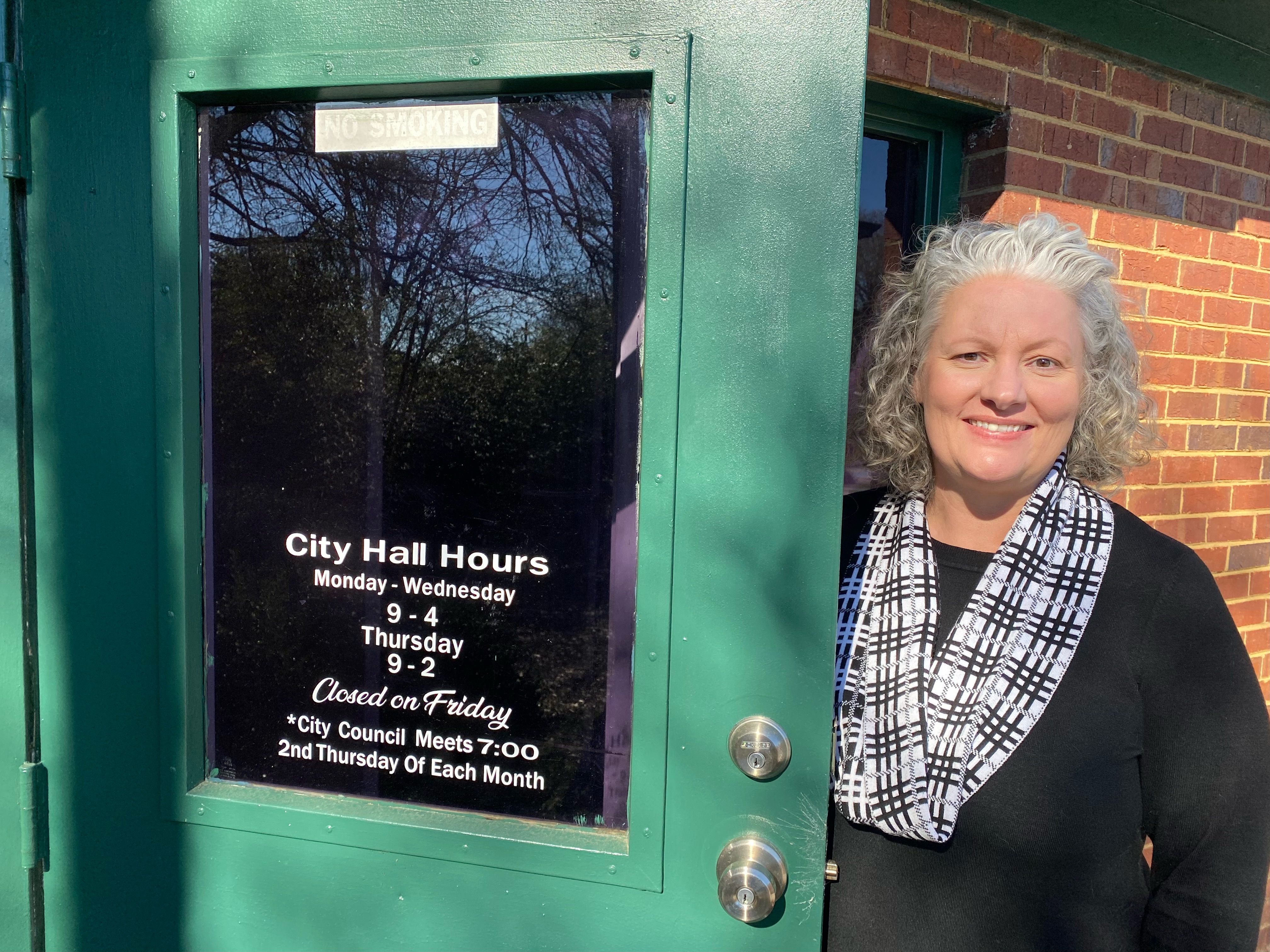
Kim Bradford
Oglethorpe County’s cities often operate on limited budgets, which officials say force them to be creative and make hard decisions about stretching available funds.
“We mainly just try to keep things going, keep things moving,” said Kim Bradford, Lexington’s city clerk.
Officials in Lexington typically begin discussions for city budgets around this time. Before they’re finalized, they must go through department reviews and legally required public hearings, especially if any tax increase is involved.
Lexington will start planning the budget in March. It will be released to the public and be approved in June.
Residents can attend city council meetings for updates and give feedback.
Lexington’s proposed budget for the 2025-26 fiscal year is $698,740, Bradford said. She said she anticipates the 2026-27 budget to have a slight decrease because no major projects are planned.
“We always make sure our budget is balanced,” Bradford said.
Lexington is planning a paving project this year for late spring or early summer that Bradford described as a “pretty hefty one.” The project will run from West Church Street to Platt Street, and it will be funded by a Local Maintenance and Improvement Grant and TSPLOST.
Bradford said water is consistently a main pressure on the city’s budget. City leaders often focus on sustaining the service while also planning for error.
“You just never know if there’s gonna be a leak on the main, or somebody’s gonna hit a fire hydrant, and then we have to order another fire hydrant,” Bradford said. “It’s always kind of costing money, per se.”
Last summer, Windstream, a broadband internet provider, came through the city and hit the waterline three times on Lexington-Carlton Road, Bradford said.
“Water does sometimes throw you for a loop,” she added.
Lexington recently paid off two long-term water loans, leaving three outstanding. The city is working to secure a Georgia Environmental Finance Authority (GEFA) grant for the well in Centerville after water samples came back with uranium levels above drinking water standards.
Bradford has averaged the grant out to be around $100,000; however, the city needs to have a hearing with GEFA to finalize it.
Other recurring expenses include paving projects, insurance and maintaining historic structures.
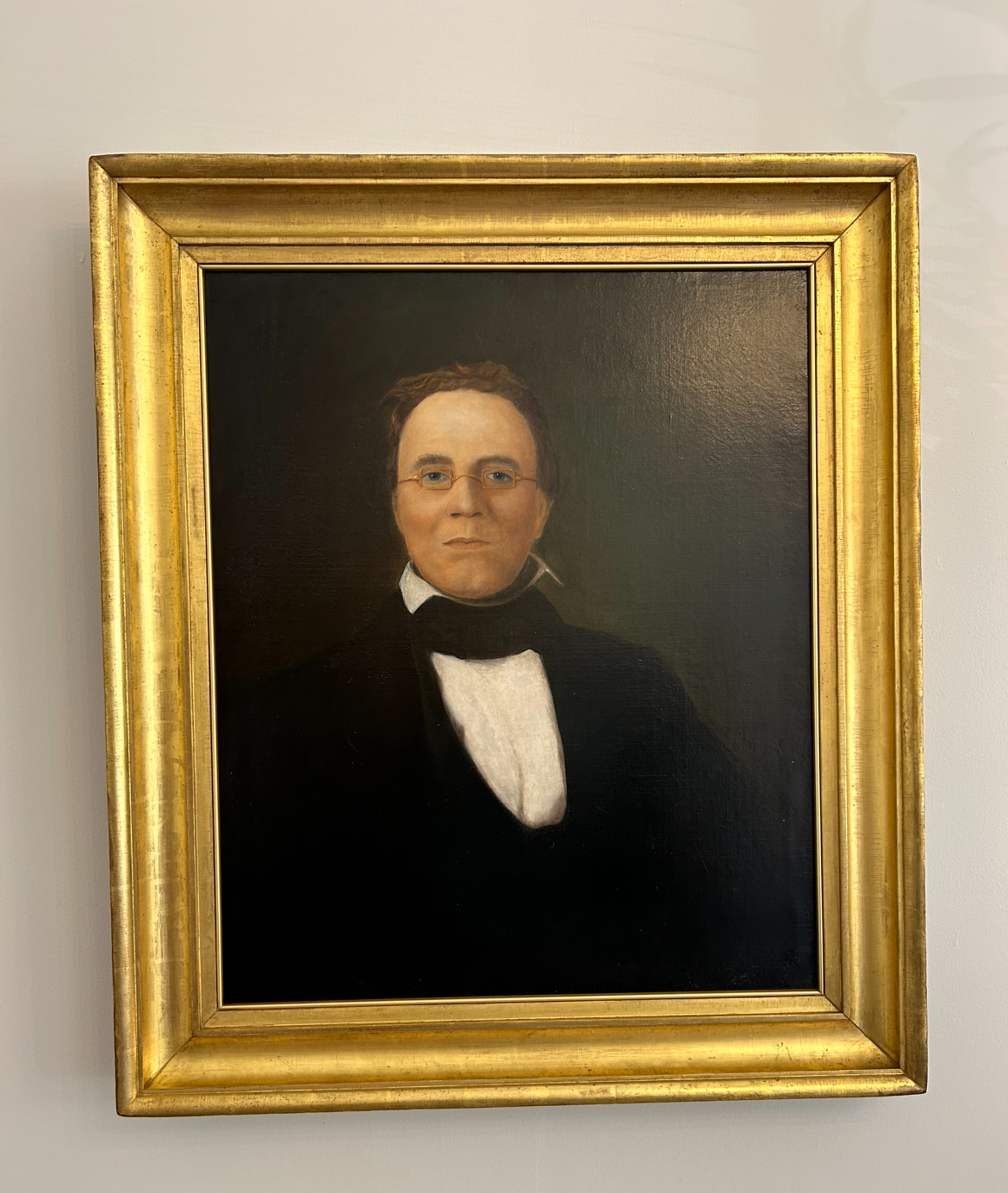
The recent restoration of the Goulding portraits, which took nearly a year to complete, was funded by a $7,640 grant from the Watson-Brown Foundation.
Maxeys faces similar challenges, although its charter has determined that its fiscal year is from January to December. The city just finished its first month of its 2026 budget, which totals $62,500.
Mayor Edward Toledano said Maxeys’ primary source of income is county and state sales taxes, franchise fees from businesses like Georgia Power and Windstream, and grants.
The hardest spending decisions, Toledano said, are the ones that are intangible, such as software, consulting and hiring a CPA.
“Not everybody sees it the same way from a benefit perspective,” Toledano said. “If you don’t have the base layer done, then you can’t build the rest of the house.”
The city’s water system operates separately from its general account, and it is funded by customer payments.
The 2026 proposed water budget is $64,750, and the city makes payments to a water team to do testing, monitoring and ensuring everything passes Environmental Protection Division (EPD) standards.
One of Maxeys’ largest expenses last year was to file all of the past financial requirements to the state. The city had not filed its financial reports in prior years, which meant the city didn’t qualify to apply for state or federal grants.
“In order to bring those grants to our bucket, we needed to get back in good graces with the state,” Toledano said.
He said this effort was their top priority, and Maxeys has already received $10,000 in grants this year.
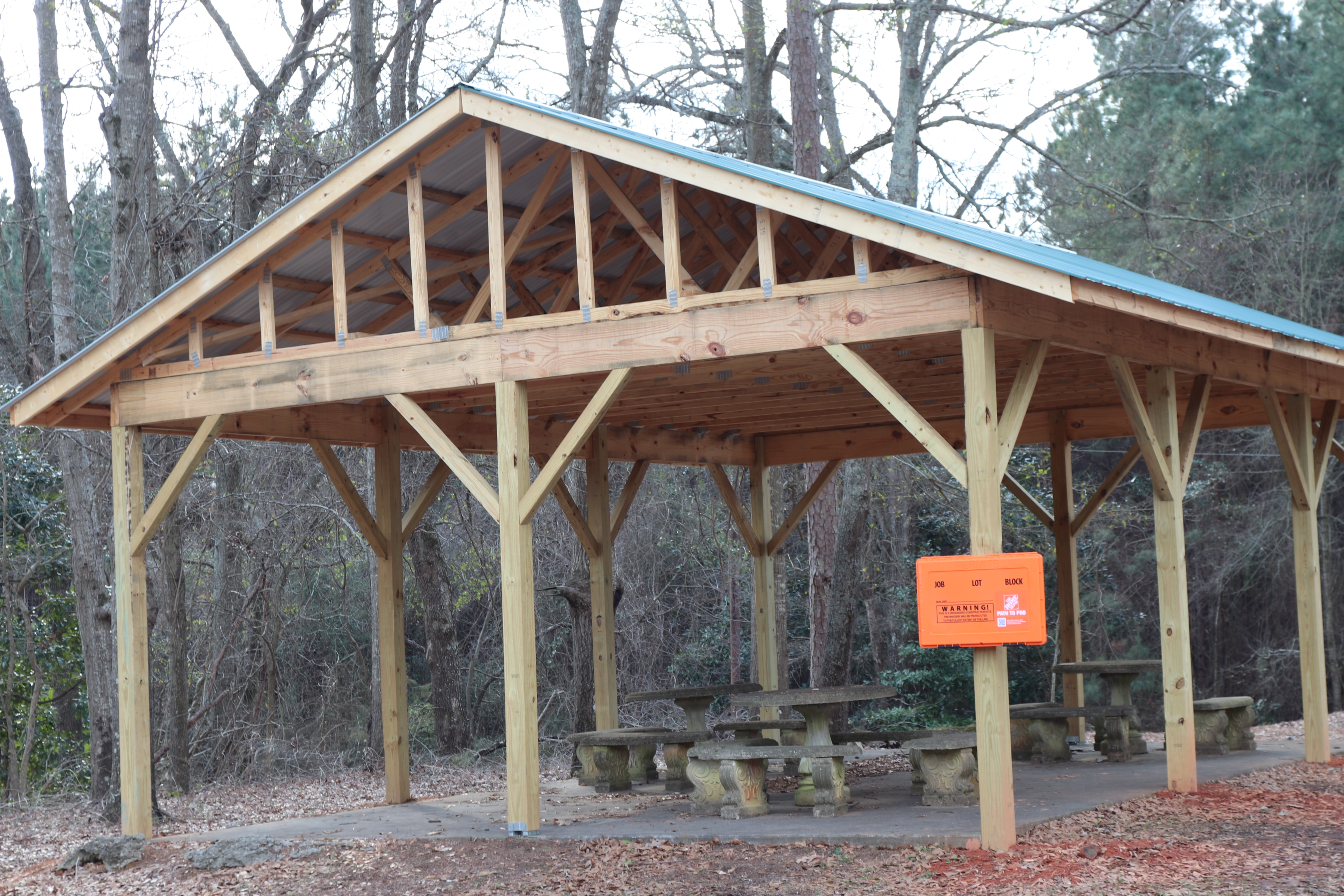
Recent projects include a new pavilion by the community center in Brightwell Park that was built from community donations and the Firefly Trail. The amount raised for the pavilion was around $6,000, and it was built by volunteers, which helped the city save money.
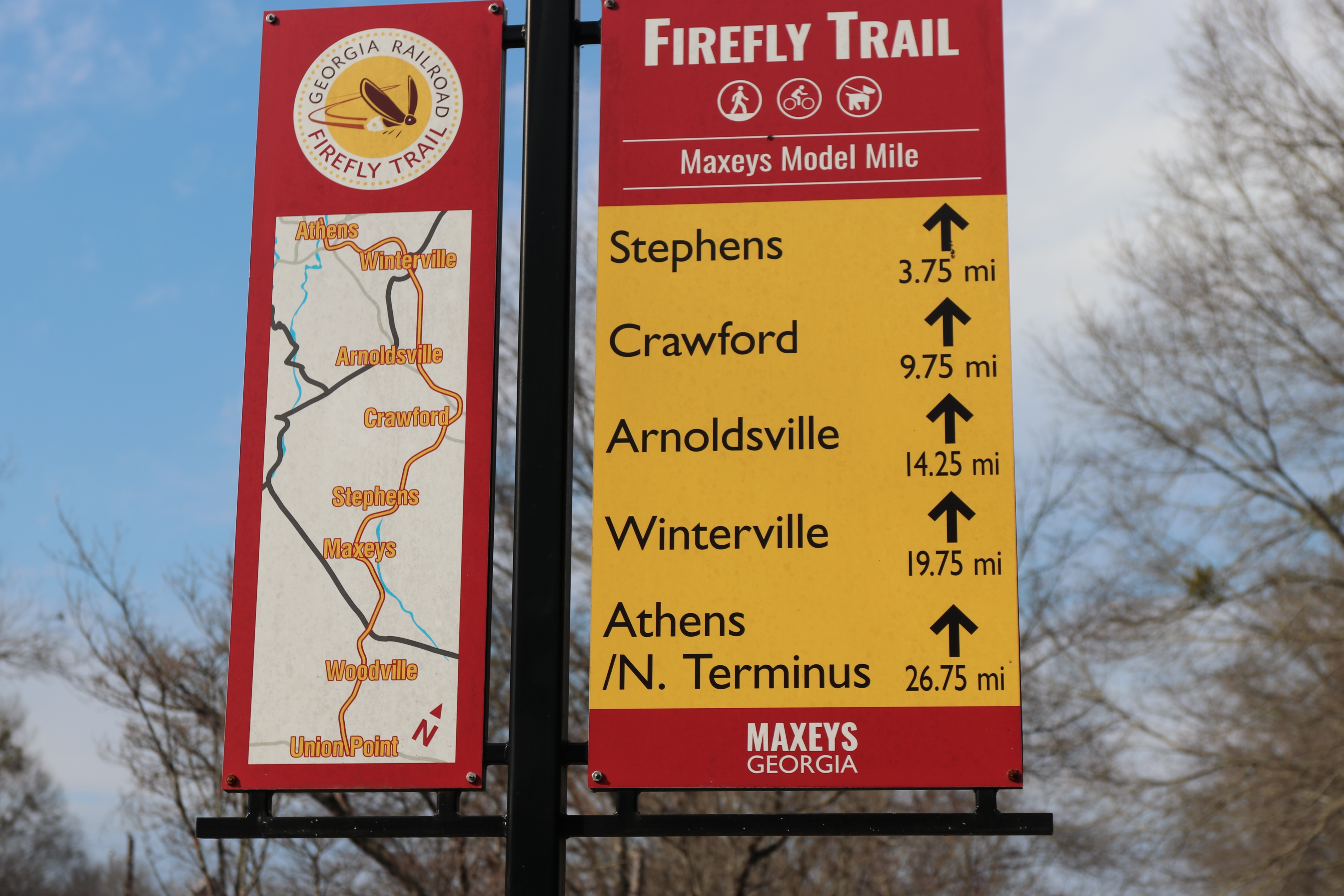
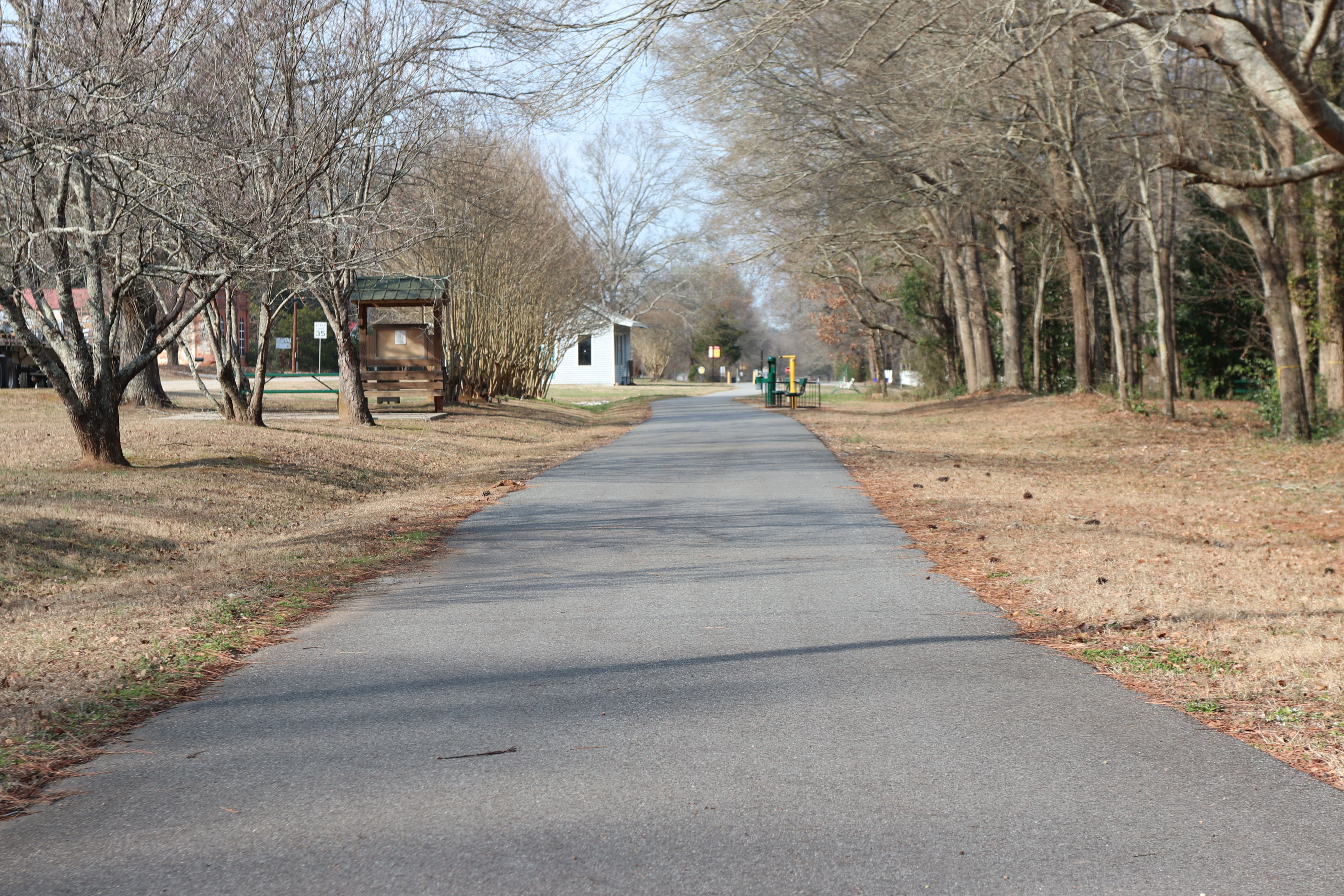
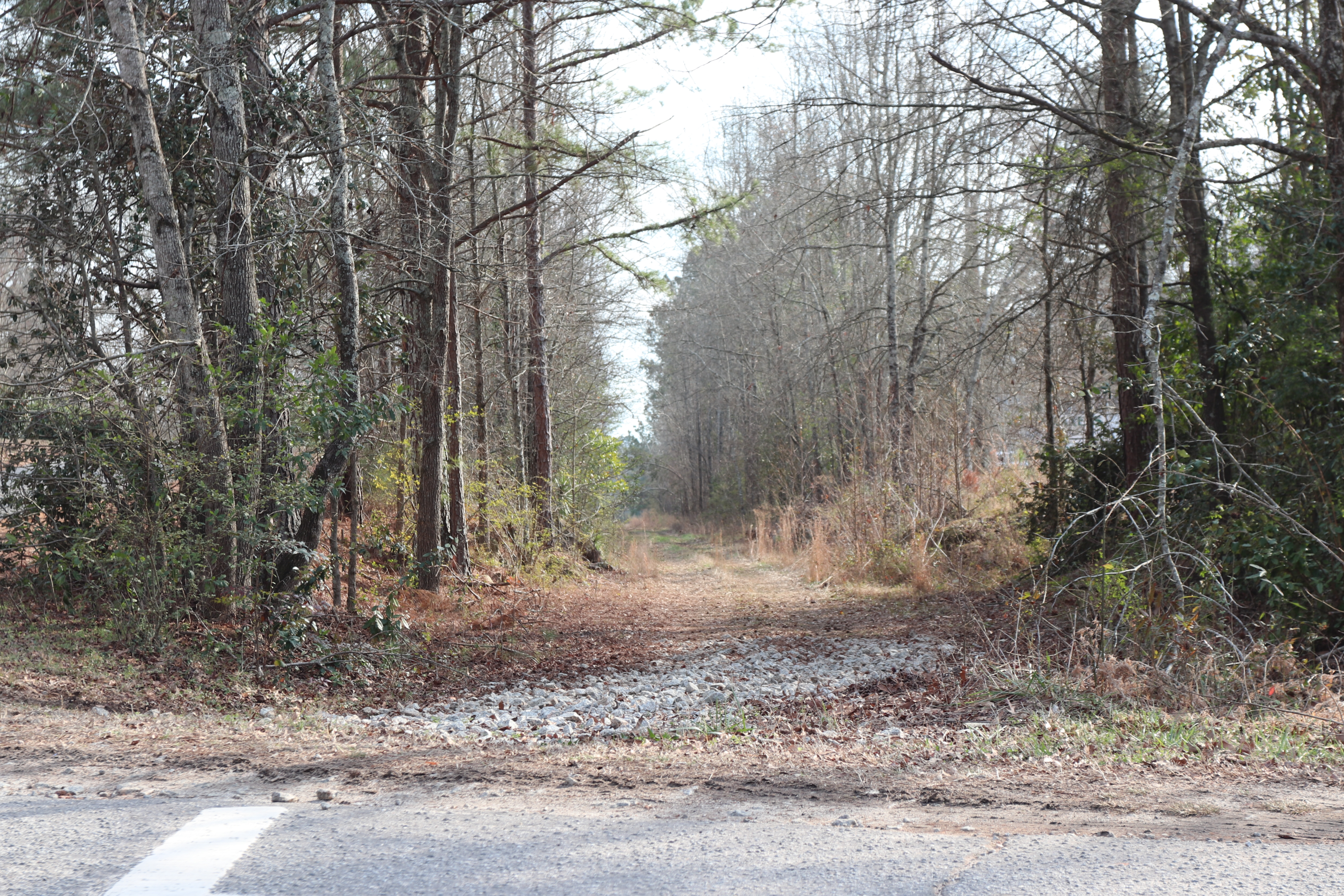
Maxeys has built 1.2 miles of the Firefly Trail in the city, and has plans to finish the remaining section this year. It will cost $205,000, funded in part by a grant from the Georgia Department of Natural Resources’ Recreational Trails Program.
Toledano credits most of the work and success to volunteers.
“It runs deep here in Maxeys,” he said. “There’s a lot of wonderful volunteers who make things happen that, in a big city, they might have staff to do it.”