
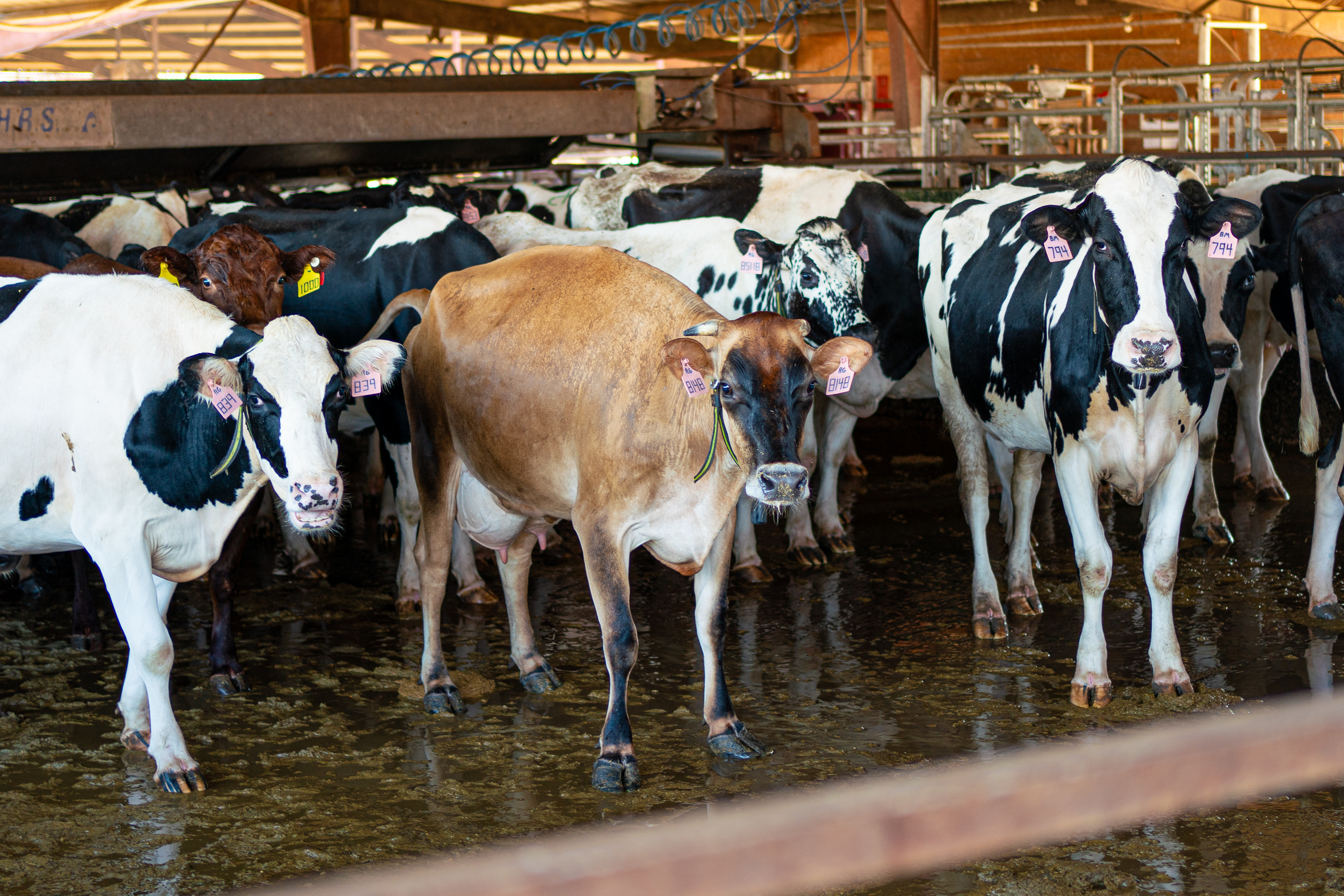
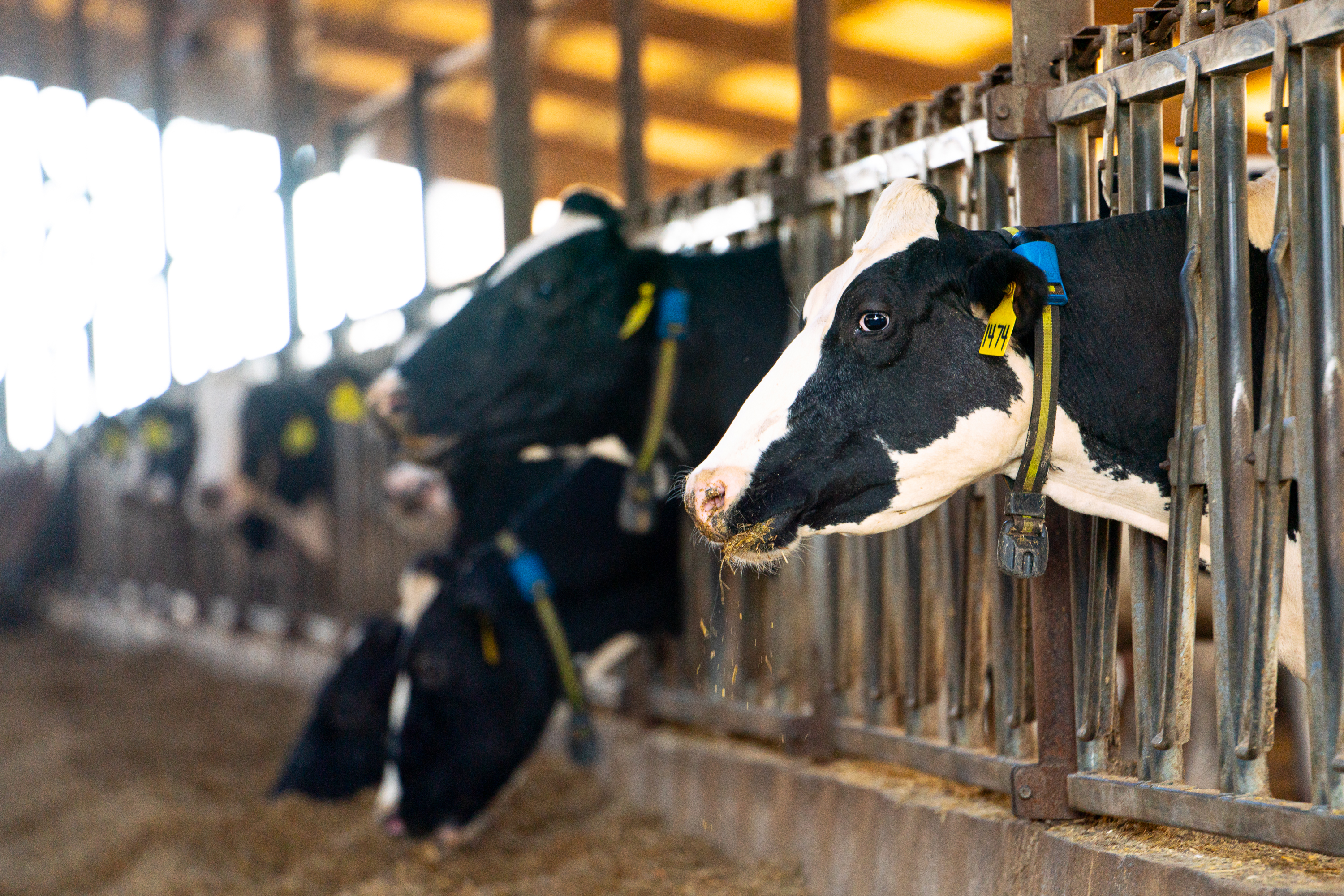
The sale of raw, unpasteurized milk for human consumption became legal in Georgia on July 1, but the debate over its health value and possible risks is ongoing.
While some organizations like the Centers for Disease Control and Prevention and the Food and Drug Administration warn against drinking unpasteurized milk due to the risk of foodborne illness, other studies have shown potential health benefits to drinking milk in its raw form.
For some in Oglethorpe County, like Jim Cabaniss, raw milk has been a lifelong dietary staple.
Cabaniss helps run Cabaniss Dairy, an organic dairy operation in Stephens, alongside his brother Jon Cabaniss. He grew up drinking fresh raw milk from his family’s farm.
“I think common sense would tell you that it has to be healthy,” he said. “I know people now that have their own cows in their backyard, and they milk them every day and drink the milk. Some of the healthiest people I’ve ever seen.”
While there hasn’t been a substantial amount of research on the subject, some studies support this idea.
One study conducted by University College Cork in Ireland “observed a positive correlation between Lactobacillus abundance and combined intake of unpasteurised milk and dairy products.”
Gut microbiome health has become an increasingly popular topic in recent years, with many seeking to include probiotics, or “good” bacteria, into their diets. Lactobacillus is one the most common probiotics used in probiotic supplements.
The researchers concluded that “while there are understandable concerns in relation to potential contamination and safety when it comes to unpasteurized milk, it is a rich source of probiotic bacteria.”
While this is just one study and more research is needed, Cabaniss’ firsthand experience with raw milk has been positive.
“I've never been sick a day in my life,” he said. “My whole family has only drank raw milk and not one person in my whole family has ever had a broken bone or anything.”
Bill Cabaniss, Jim’s uncle, had a similarly positive experience growing up drinking raw milk.
“Apparently, it did not hurt us drinking milk that was not pasteurized,” Bill said. “I don’t think we got any illnesses from it.”
Some also prefer the taste of raw milk, claiming it has a better, sweeter flavor.
Bill said the farm he grew up on had a herd of all Jersey cows, which produced milk that was high in butterfat. “The milk was better tasting than some of the 2% or 1% you get now,” he said.
LaNelle Mauldin, a Crawford resident who also grew up drinking raw milk from her family’s farm, finds the natural form of the drink to be more flavorful. She added that her family drank raw milk during her childhood, and none of them were ever sick from it.
“I think the store-bought milk has less flavor,” she said. “I really like the raw milk that has butterfat and cream in it. It's much richer and much thicker.”
The move to raw milk
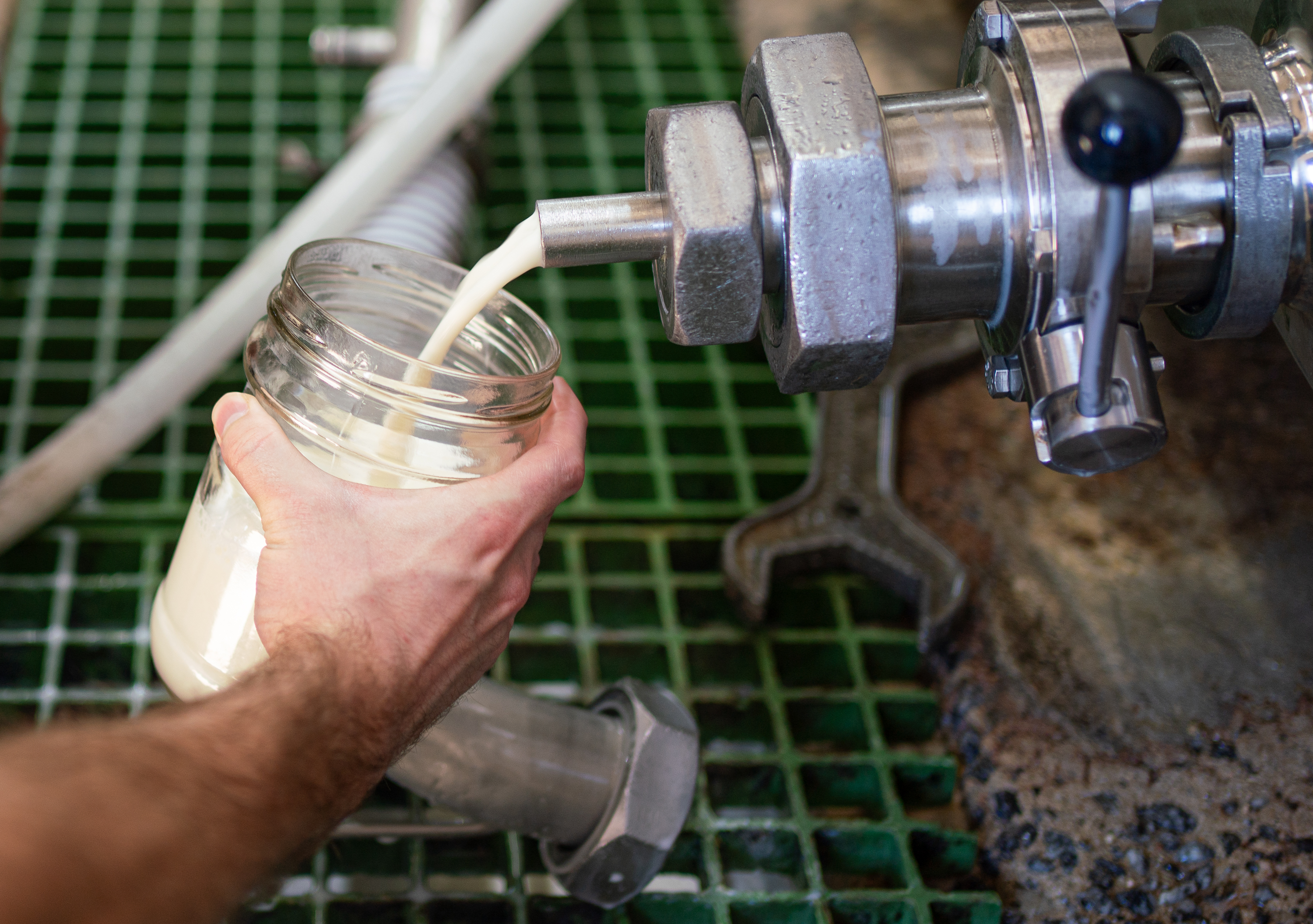
House Bill 1175, the Georgia Raw Dairy Act, passed through the state legislature and was signed into law by Gov. Brian Kemp last year. The bill took effect this year on July 1, making Georgia the 31st state to legalize raw milk for human consumption.
The Raw Dairy Act acted to “authorize and regulate the production, handling, transporting, and sale of raw milk and raw milk products for human consumption; to provide standards for safety, cleanliness, and health for such products and animals producing them. …”
“It opens up an entirely different avenue for people that's interested in selling their milk to the public,” said Mark Dawson, who works at the University of Georgia’s dairy farm and runs Watkinsville’s Jersey Fresh Dairy with his wife Lisa.
Dawson said he hopes this change could provide opportunities for young people wanting to start up new dairy farms, due to having another option for reaching customers.
Dawson added that there are still some kinks to be worked out with the new law before the dairy industry is able to substantially benefit from it.
“Time will tell whether it's a success or failure,” he said. “I think it'll be a success.”
Raw milk will not appear on grocery store shelves, however, as the law only allows for farms to sell their raw milk directly to consumers, not to wholesale markets.
Still, locals are looking forward to having the option to buy milk in its natural form.
“I'm glad to see the agricultural industry acknowledge the fact that our food doesn't need to be processed,” Mauldin said. “As a matter of fact, processing it probably makes it less healthy. Raw foods, like yard raised chickens, eggs and raw milk, I think they're very beneficial because they haven't been processed.”
Prior to the new law, Georgians could only purchase raw milk labeled as “pet milk,” produced by farms with animal feed licenses.
Some state lawmakers who supported the Georgia Raw Dairy Act argued that since some people were still buying and drinking this largely unregulated form of raw milk, it would be safer to legalize the sale and be able to implement health and safety standards.
Now, dairy farmers like Jim Cabaniss can consider the option of selling their raw milk directly to consumers, as long as they get the proper permits.
Cabaniss Dairy sells all of its milk to Publix to be pasteurized and sent to stores, but he said he has thought about making the move to start selling some of his milk raw as well.
Potential health risks
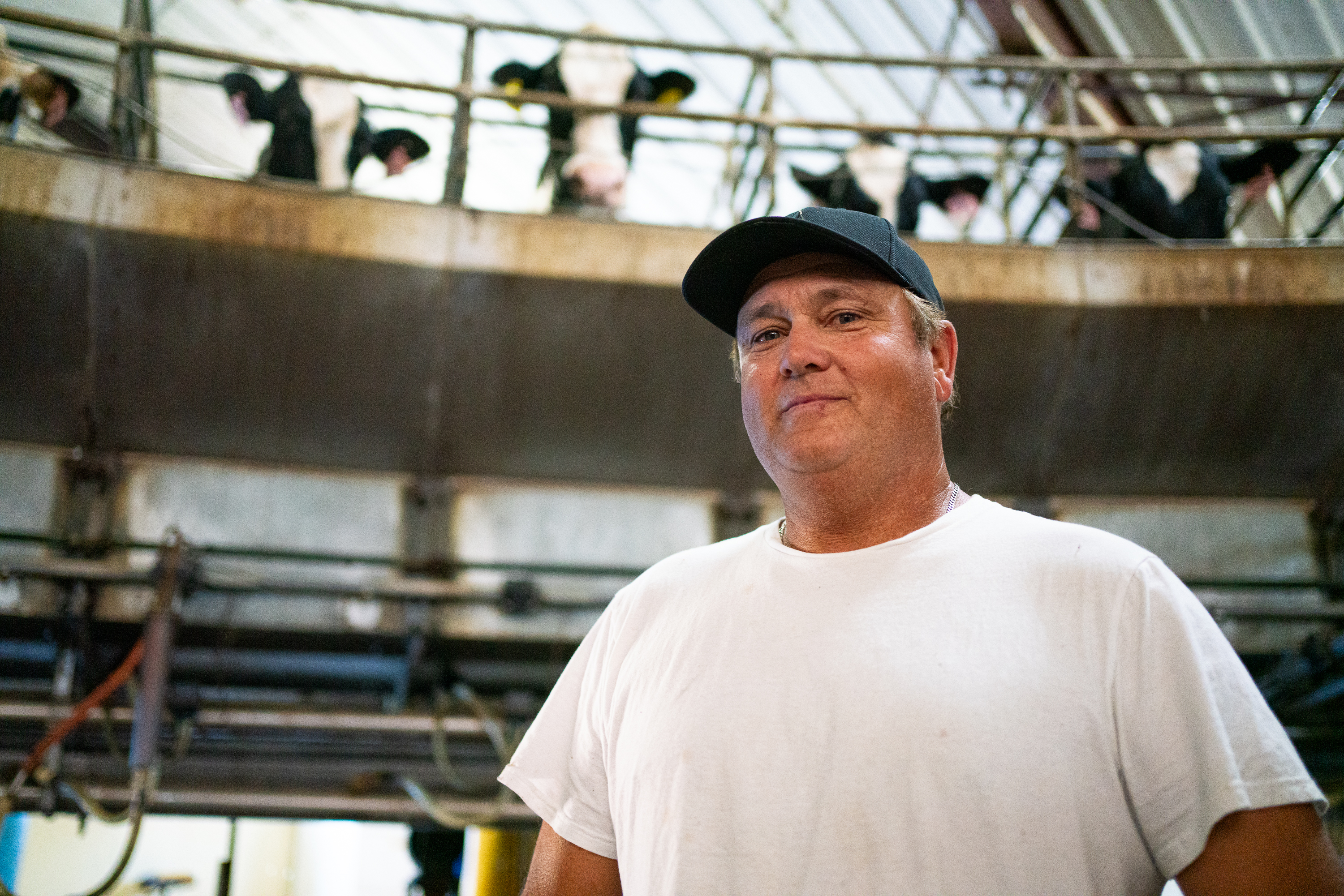
Despite the increase in raw milk legalization throughout the U.S. and the growing consumer trend toward more naturalistic diets, some organizations still warn that raw milk is unsafe to consume.
According to studies conducted by the CDC, 202 outbreaks of foodborne illnesses occurred from 1998 through 2018 due to drinking raw milk. These outbreaks led to 2,645 illnesses and 228 hospitalizations.
Based on the data from these studies, the CDC concludes that areas where raw milk is legal for sale have 3.2 times more outbreaks than areas where it is illegal.
Raw milk may not be for everyone, but for those considering making the switch, it is important to keep the potential health risks in mind.
Ensuring your provider is a reputable, trusted source is key to making the safest decision for your lifestyle.
“With raw milk, I would say, ‘Know your farmer, know your food.’ Know your farmer’s practices, herd health and sanitation,” said Lisa Dawson, who works at Jersey Fresh Dairy and has serviced customers in Oglethorpe County. “You want to know that farmer, you know. Their wash up procedure, the cleaning procedure, how the milk is handled — because that is key to your raw milk.”