
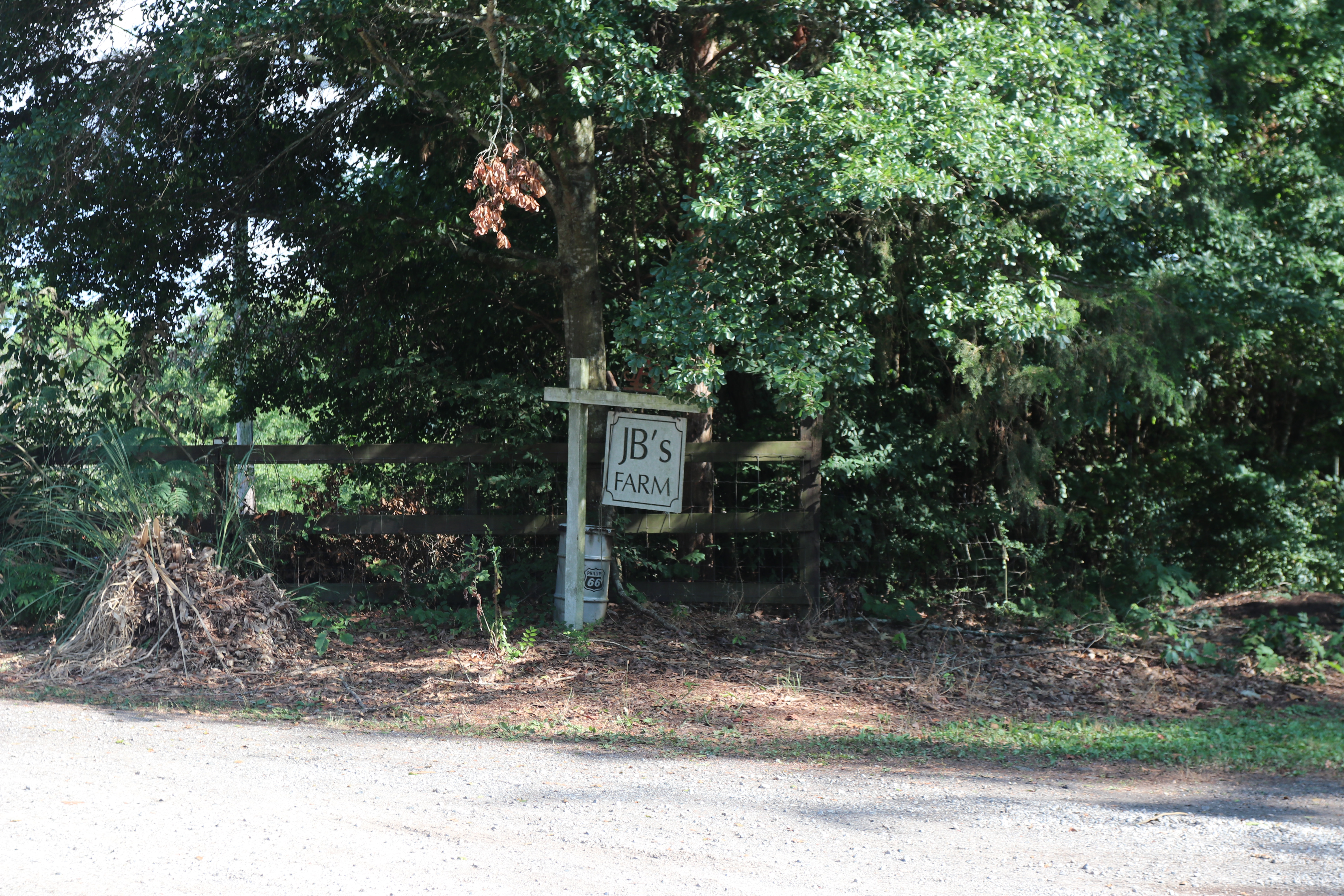
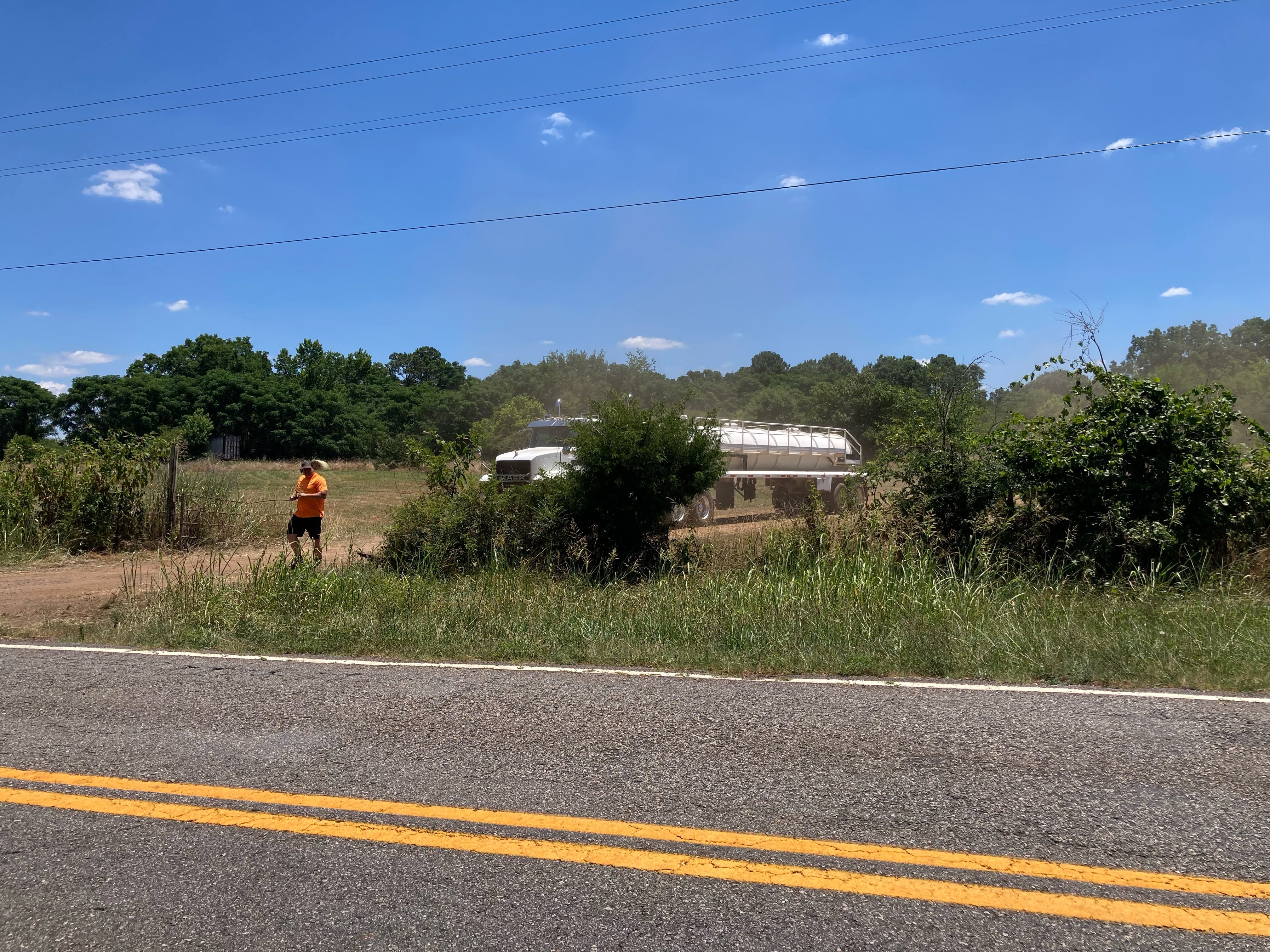
“Awful” and “intolerable” are words used by residents in the Lake Oglethorpe area to describe the smell of sludge being dumped at a nearby farm.
Neighbors said the sludge, also called soil amendments, has been delivered to a farm on Wolfskin Road for “weeks” now.
“This particular landowner had, at one time, six big metal storage containers that looked like train cars parked on their property,” neighbor Debbie Hardegree said.
Hardegree and others have filed complaints to the Georgia Department of Agriculture complaining about the smell, but haven’t received a response. Oglethorpe County Commission Chair Jay Paul said it may take time before any action is taken.
“Counties are pretty limited on what we can do,” he said. “It almost has to be reactive. Something has to go really foul before the state agencies can do anything.”
Attempts to call and message the landowner through Facebook were unsuccessful.
Wingate Downs, who lives and leases property nearby, said the sludge affects his income and sympathized with other area businesses that have to manage the negative effects of the odor.
“It’s pretty horrible what (the landowner) is doing and what he’s allowing now,” he said.
Sludge, which often incorporates decaying poultry remnants and other biological waste, is used as fertilizer by farmers throughout Northeast Georgia. Residents have complained about the smell in Oglethorpe County the past several summers.
The application of sludge is legal, as long as it’s registered with the state, but both Georgia and Oglethorpe County have enacted measures to regulate its use.
The Board of Commissioners passed a soil amendment ordinance last year that calls for applications to be no closer than 100 feet to property lines. It also gives the county power to investigate application sites and report issues to the Department of Agriculture or the state’s Environmental Protection Division.
In May, Gov. Brian Kemp signed an amendment to Georgia’s 48-year-old Soil Amendment Act. It states that landowners who are subject to “a consent order, enforcement action, or ongoing investigation by the department or the Environmental Protection Division” are prohibited from applying soil amendments.
Paul said there was an isolated incident in the Salem community earlier this year, but he said he thinks farmers around the state are more prudent about sludge usage.
“What’s happening is that people are becoming more and more cautious about participating in it,” he said, “so these companies that are involved are having to look further to find someone who’s willing to be a part of this ‘experiment.’ ”