
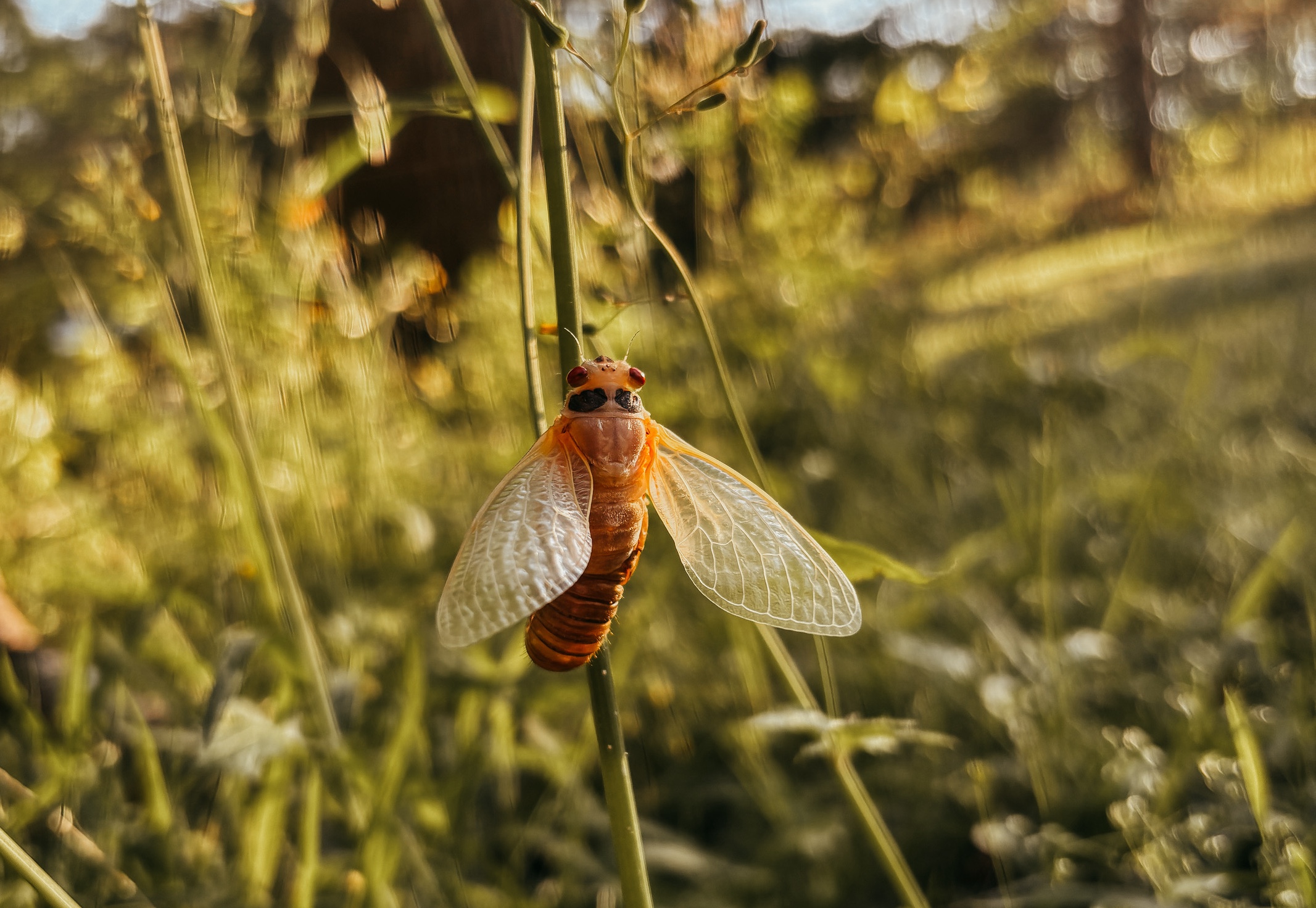

Sarah Rutherford has developed a fascination with cicadas.
Like many Georgians this spring, the Lexington resident has taken photos of the insects, which are seemingly everywhere.
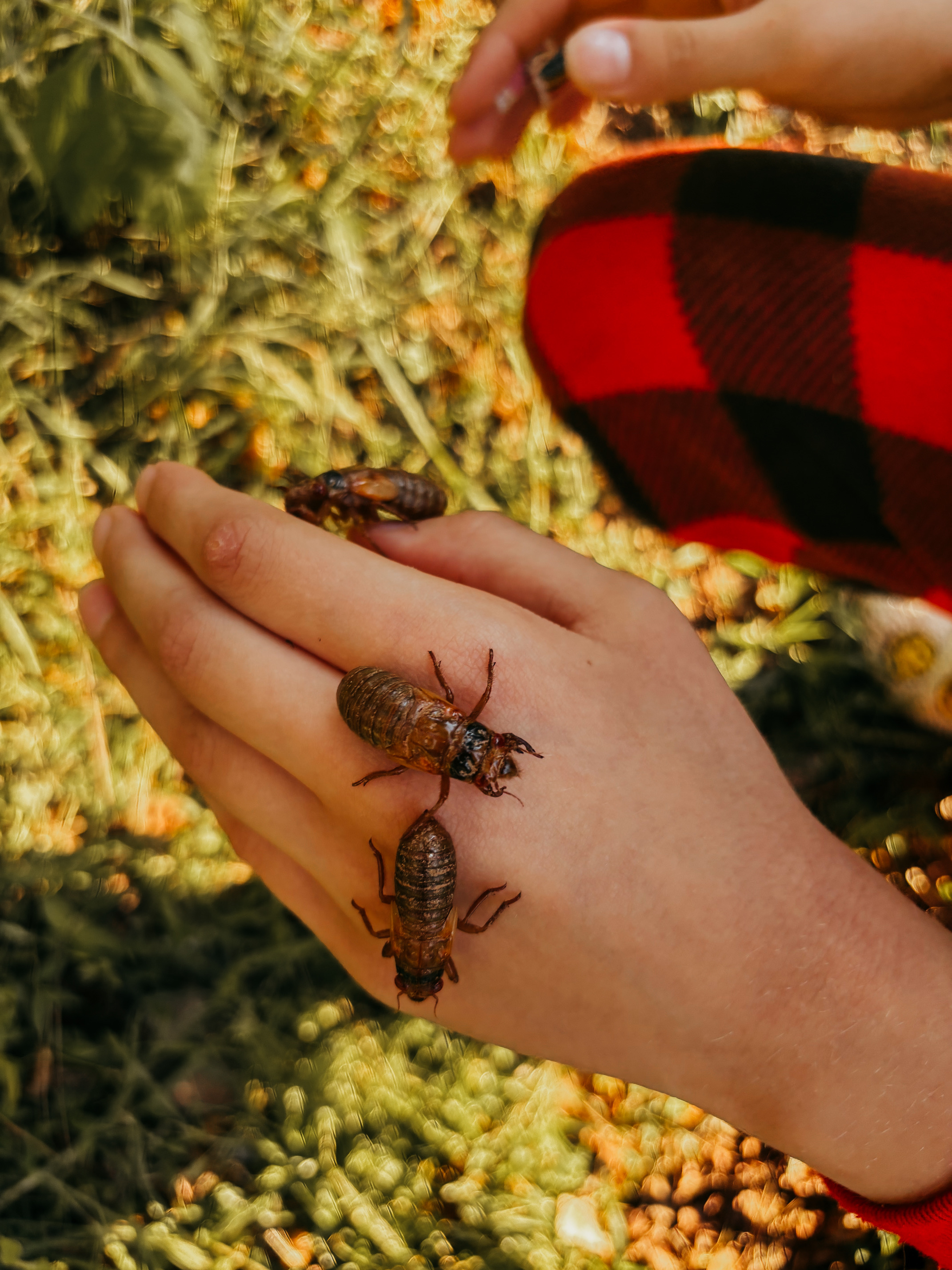
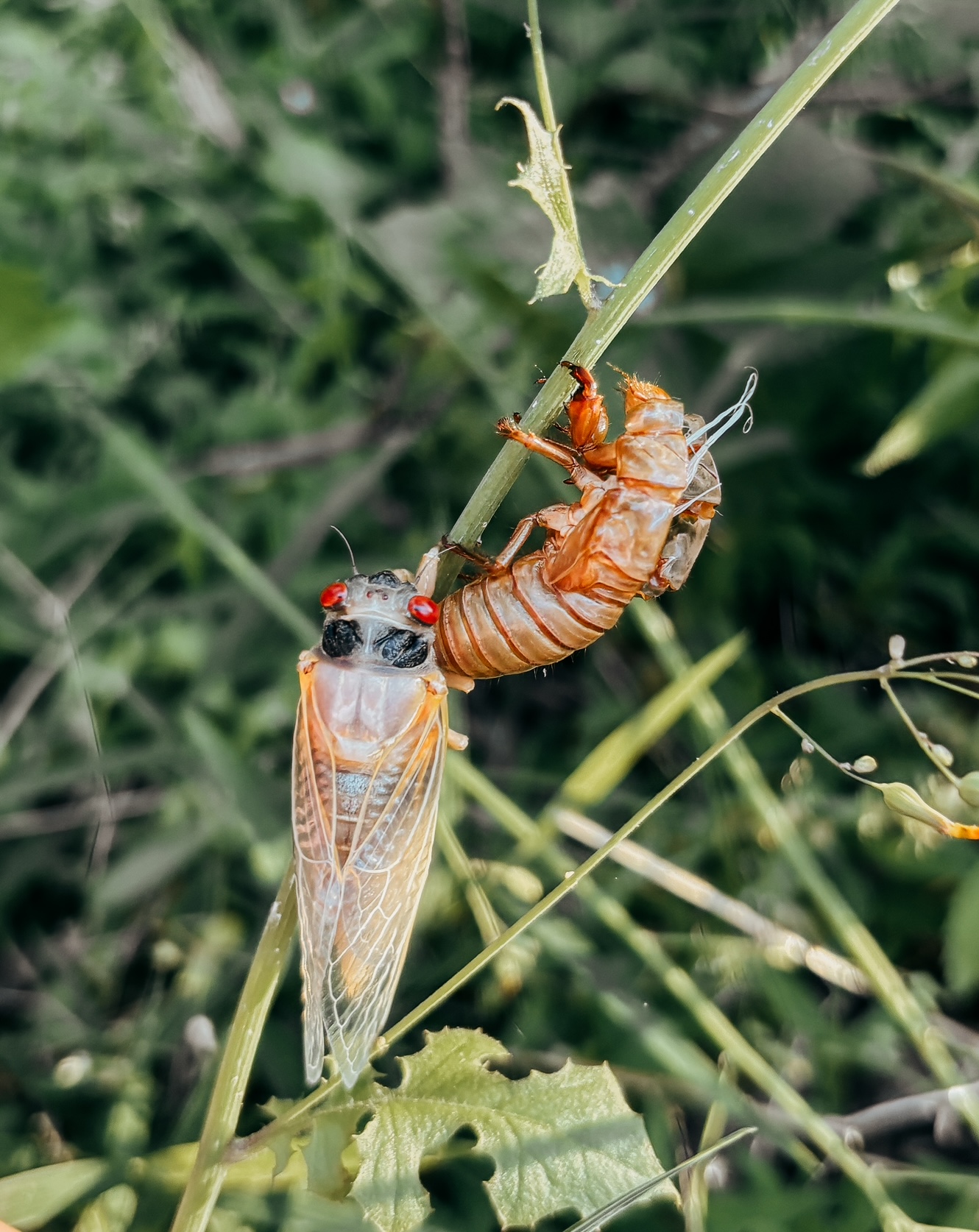
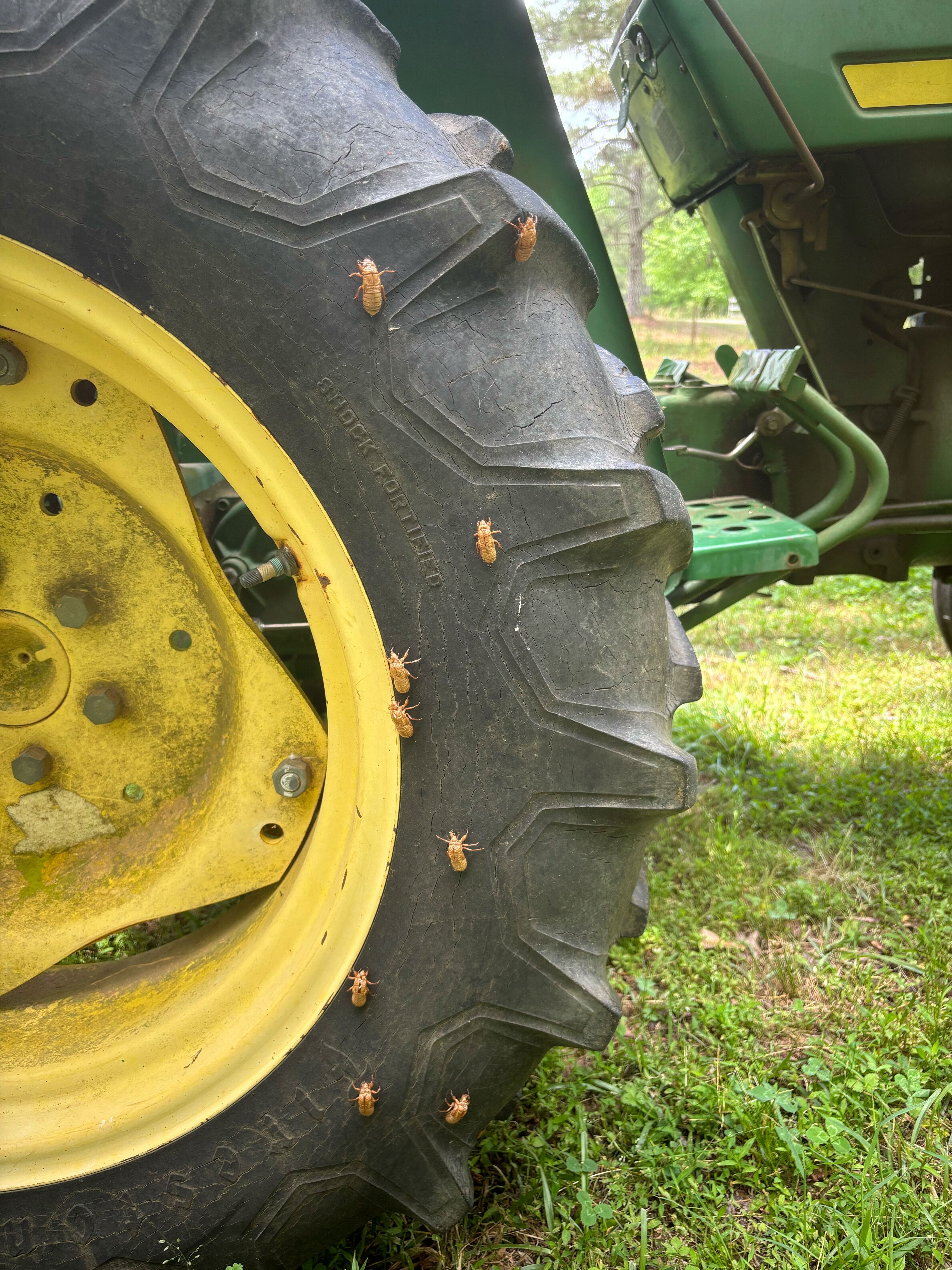
“I went outside, and there were literally hundreds and hundreds of these. And they were hatching,” Rutherford said. “I was watching them crawl out of the ground and crawl up on the trees. We took our kids out there to watch it. So you could see the entire process.”
This year marks a special emergence of cicadas in Georgia. The annual cicadas have been preceded by another group, which only comes every 13 years.
Nancy Hinkle, an entomology professor at the University of Georgia, said the periodical cicadas show up in the spring before Memorial Day and are only in the eastern U.S., while annual ones are everywhere.
They leave by the end of June, just before the annual cicadas appear.
Although Hinkle studies the creatures as a hobby, she enjoys informing people about what they should know when they encounter one. She’s written an article about them describing the arrival and distinction of the two species and has been interviewed by numerous media outlets this spring.
“I guess I got started … at least back when the 2011 batch came out, and that was the parents of the ones that are coming out this year,” Hinkle said. “And since no one else in the state of Georgia was looking at them since 1960, that’s the last time a paper had been published on Georgia cicadas, I figured it was time that someone gave them a little attention.”
Georgia’s only cicada is Brood XIX or “Brood 19,” the biggest cicada group in the Southeast.
People, including Rutherford, have shared photos of them on social media.
She described how she watched as they came out in white forms with their wings growing in the process. She compared it to almost watching a butterfly transform.
“I guess I was just really intrigued because I’ve lived my whole life, and I know what cicadas are, but I’ve never seen them,” Rutherford said. “So, I just got my camera out and started taking photos.”
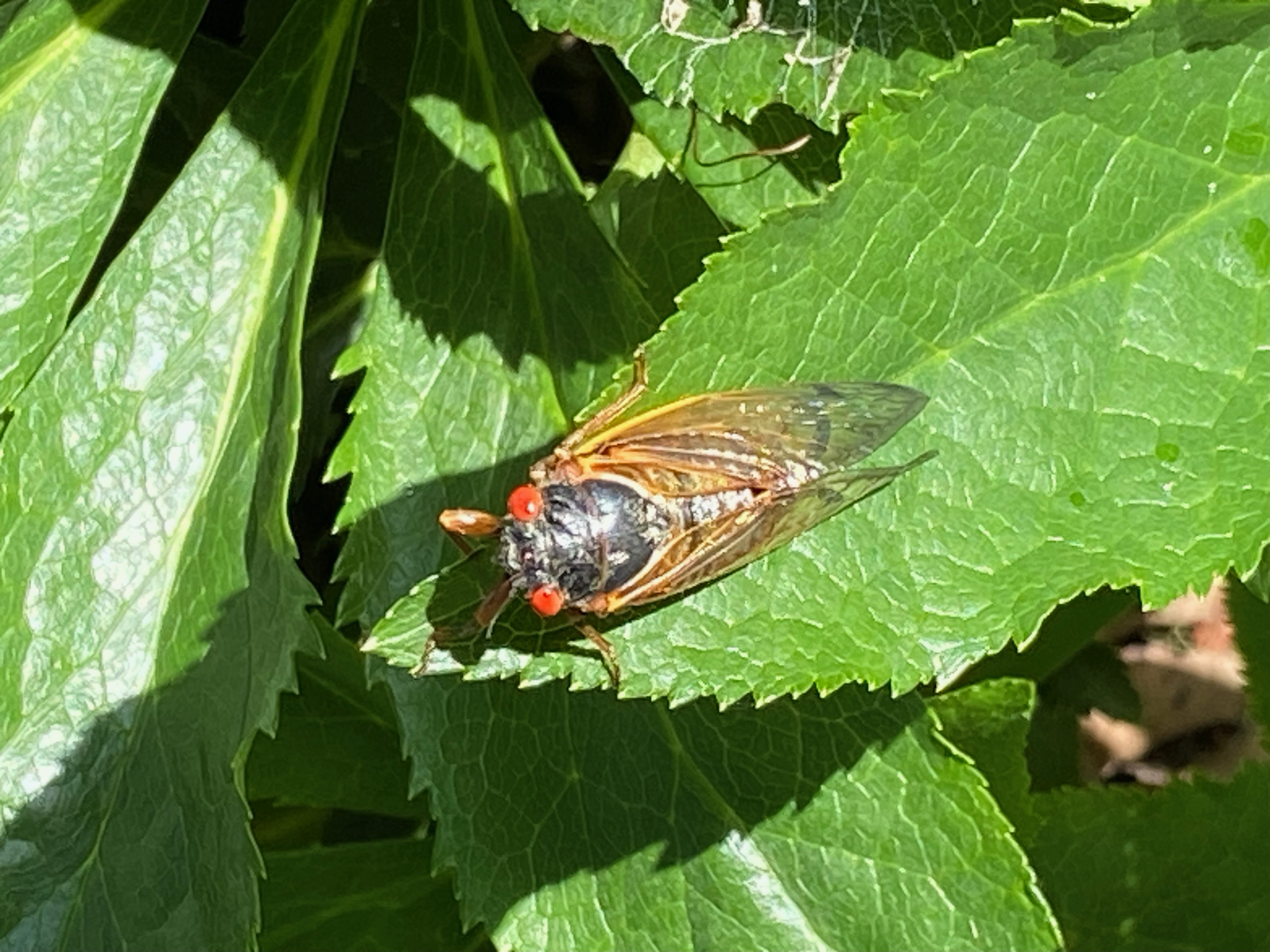
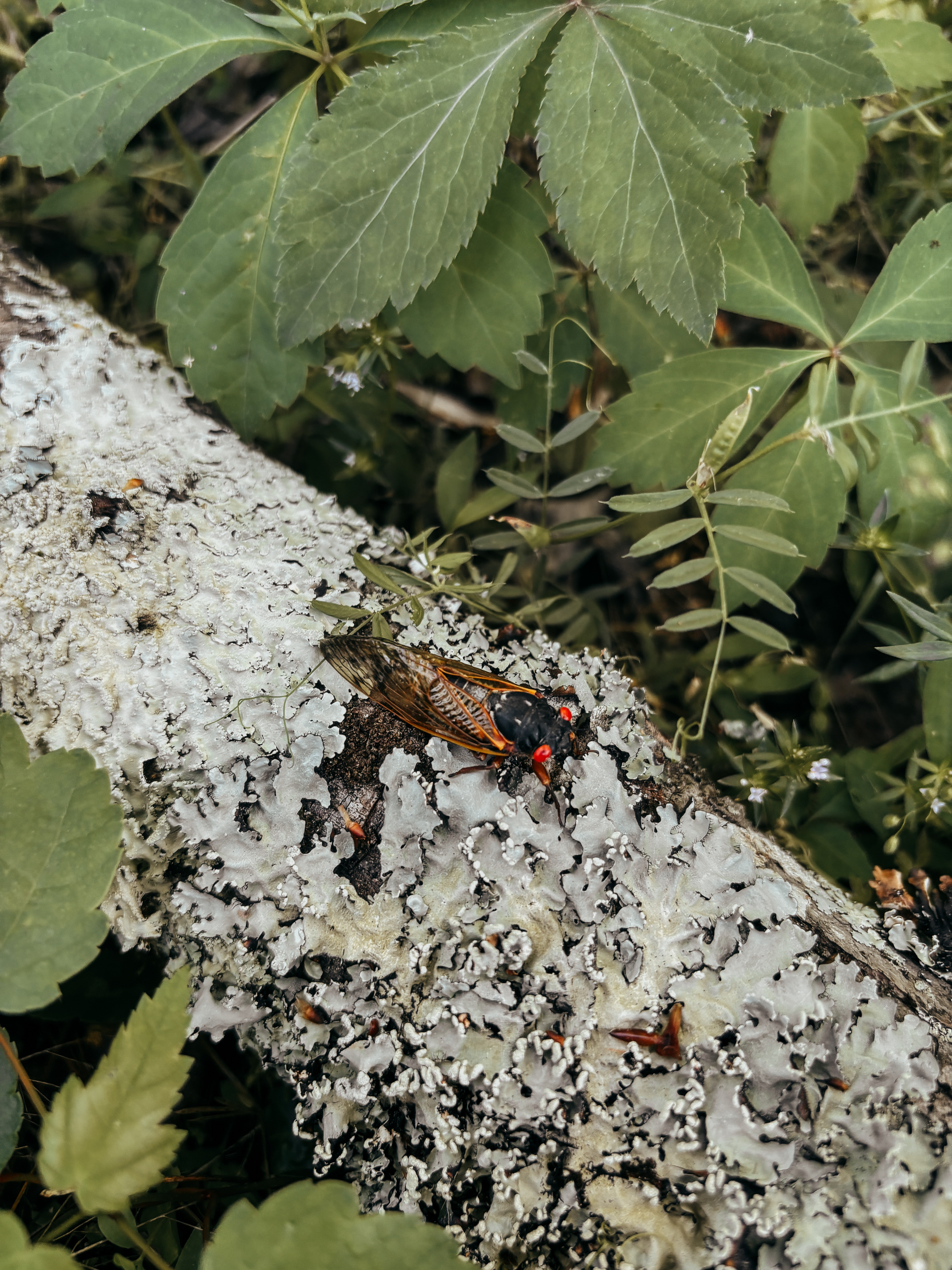
The different types of cicadas are distinguishable by their appearance — the periodical ones usually have black bodies, red eyes and clear, orange-tinted wings, while annual cicadas are bigger with green bodies and black eyes.
Regardless of type, Hinkle said cicadas are harmless and can make interesting entertainment for pets.
“Dogs love to eat them, and that's just fine,” she said. “They can eat as many as they want to. Cats, on the other hand, love them because they’re crunchy and they make noises. And every time you bat them, they slide across the floor and start trying to get away from you.”
Male cicadas also sing during the day to attract the females, leading to the noise heard throughout the area.
“They have a chorus, but they all sing together,” Hinkle said. “It’s a buzzing, humming sound. I always hear them from a distance, so it sounds like there’s a motor running off down in the woods to me, but people describe it differently.”