

CORRECTION: Information was incorrect about which organization had invested funds into the restoration of the Historic Oglethorpe Jail in the Sept. 11, 2025 print edition of The Oglethorpe Echo. The correct information is in the story below.
The City of Lexington released its Downtown Master Plan & Market Analysis last month, advancing a process that began two years ago. The plan serves as a blueprint for revitalizing notable properties, and it will be voted on at 7 p.m. Thursday at Lexington City Hall.
“Obviously, what you want is you want to improve your city,” Mayor Ronnie Boggs said. “You also want a vision for your city of where it’s going to be down the road.”
The plan, developed by the city in partnership with the Downtown Development Authority, Historic Preservation Committee and Northeast Georgia Regional Commission, identifies four focus areas and proposes a range of solutions.
“It’s a fluid plan,” said Linda Parish, a Downtown Development Authority board member and chair of the Historic Preservation Commission. “If somebody comes in and wants to do something with a property, it could change. It’s a vision is all it is.”
Funds for the proposal could stem from a variety of sources, including Historic Preservation Fund grants, NPS Paul Bruhn Historic Revitalization Grants and Georgia’s State Opportunity Zone benefits.
Renovations on the Church Street properties — The Manse, The Lexington Beth-Salem Church and Cemetery and The Lexington Community Center — emphasize preserving the historic buildings while adapting them into large-scale event venues.
“It’s not a commercial area, but it’s a historic area, and it’s more about preserving the structures within that area,” Boggs said.
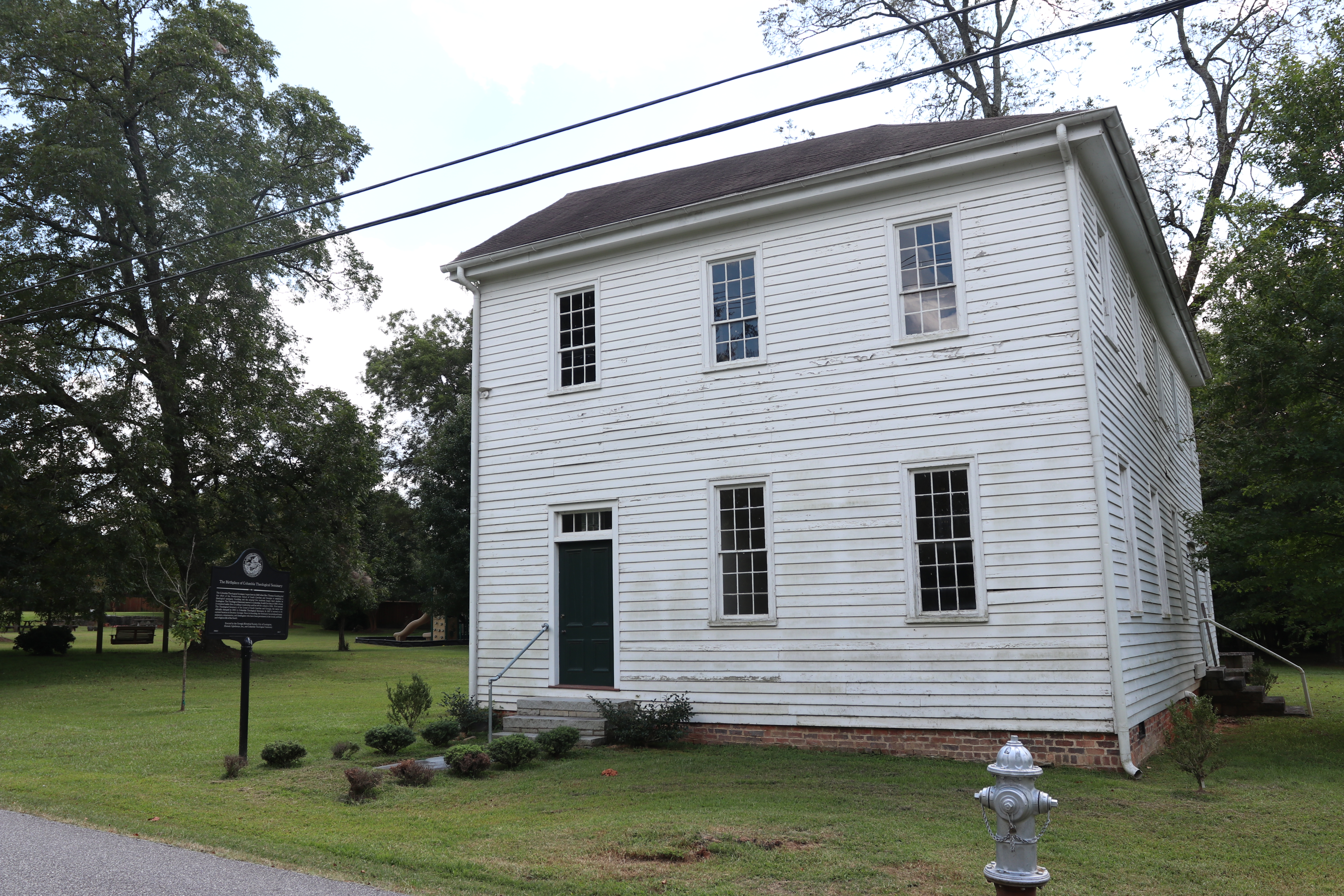
The Historic Oglethorpe County Jail and Old City Hall make up the second focus area of the plan.
The city is moving toward a solidified partnership with Historic Oglethorpe County, Inc. to ensure the jail is maintained and used for its historic value. The historic group has spent about $60,000 to maintain it.
The old city hall building, which has no restroom, remains under discussion. Officials are weighing whether to repurpose it for public use or through a partnership.
The third focus area, which concentrates on Downtown Lexington’s commercial core, is the centerpiece of the plan.
“That downtown area, that three-block area, is basically all we have,” Parish said. “To have things there for people to do and enjoy is our goal.”
Six properties, which make up nearly half of downtown, are owned by Rick Hawkins. The vacant buildings have been in disrepair for years, posing a major barrier to downtown revitalization.
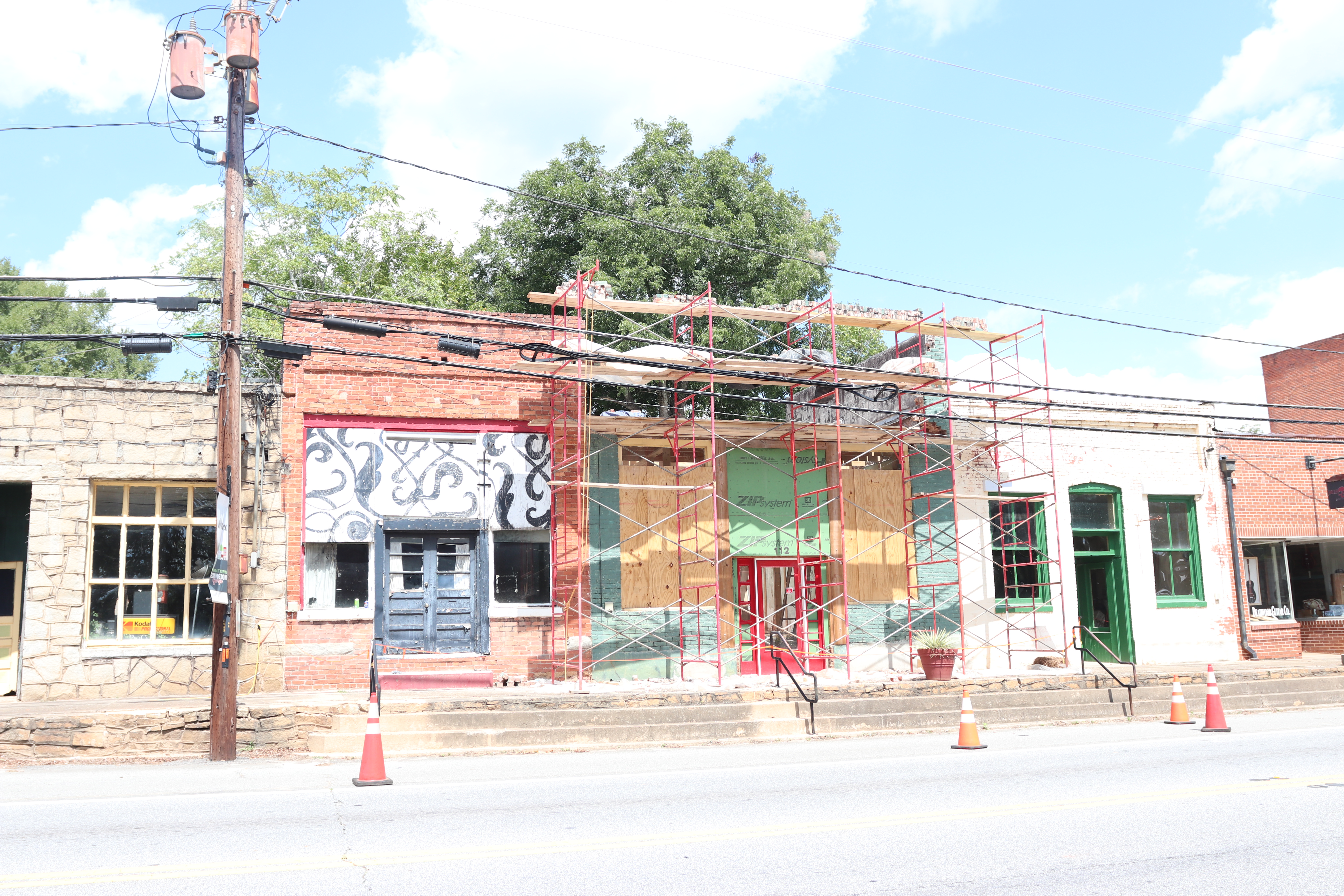
“The livelihood of a small town is their small shops,” Boggs said.
Mom-and-pop storefronts such as cafes, antique depots and local shops are the types of businesses the city envisions.
Last month, Lexington filed an application to the Georgia Department of Community Affairs for a Rural Zone designation. If approved at year’s end, business owners could receive tax incentives for qualifying investments within the historic district and for every job created.
“It just seemed like the way to go,” Parish said. “It’s a reason for people to buy one of those buildings and fix it up and have a business and have employees because they can get the tax credits.”
The Georgia Department of Community Affairs approves between 5-10 cities for Rural Zone designation each year.
Boggs said the original Master Plan proposed building apartments just outside of downtown, drawing pushback from community members and nearby property owners.
The final focus area, Fire Department Block, includes the volunteer fire department garage and shuttered gas station. Officials hope to pursue federal grant funding through the Georgia Department of Transportation to plant trees along Main Street.
In addition, the city is considering façade grants to encourage business owners to invest in small beautification efforts that could inspire others to do the same.
“(These areas) all have one thing in common — they’re here to serve the community,” Boggs said.