
Cost, requirements to receive organic certification can be barrier
Cedar Grove Farm in Stephens began in 2005 when William Payne bought land off Oconee Forest Road and decided to try his hand at small-scale organic farming after relocating from Maryland.
Payne found the Certified Naturally Grown label to be the best option for both his farm and for the Athens Farmers Market, when Payne and a few other farmers created it in 2008.
“We guaranteed to our customers that we had the same product, as far as the produce that we were providing,” he said, “and it just seemed like a more straightforward, community-based approach.”
The other option, USDA organic certified farms, aren’t common in Oglethorpe County, making up less than 0.5%, according to past reporting.
Payne said the cost of the USDA Organic Certification and its extensive requirements are often what turns away farmers thinking about becoming certified.
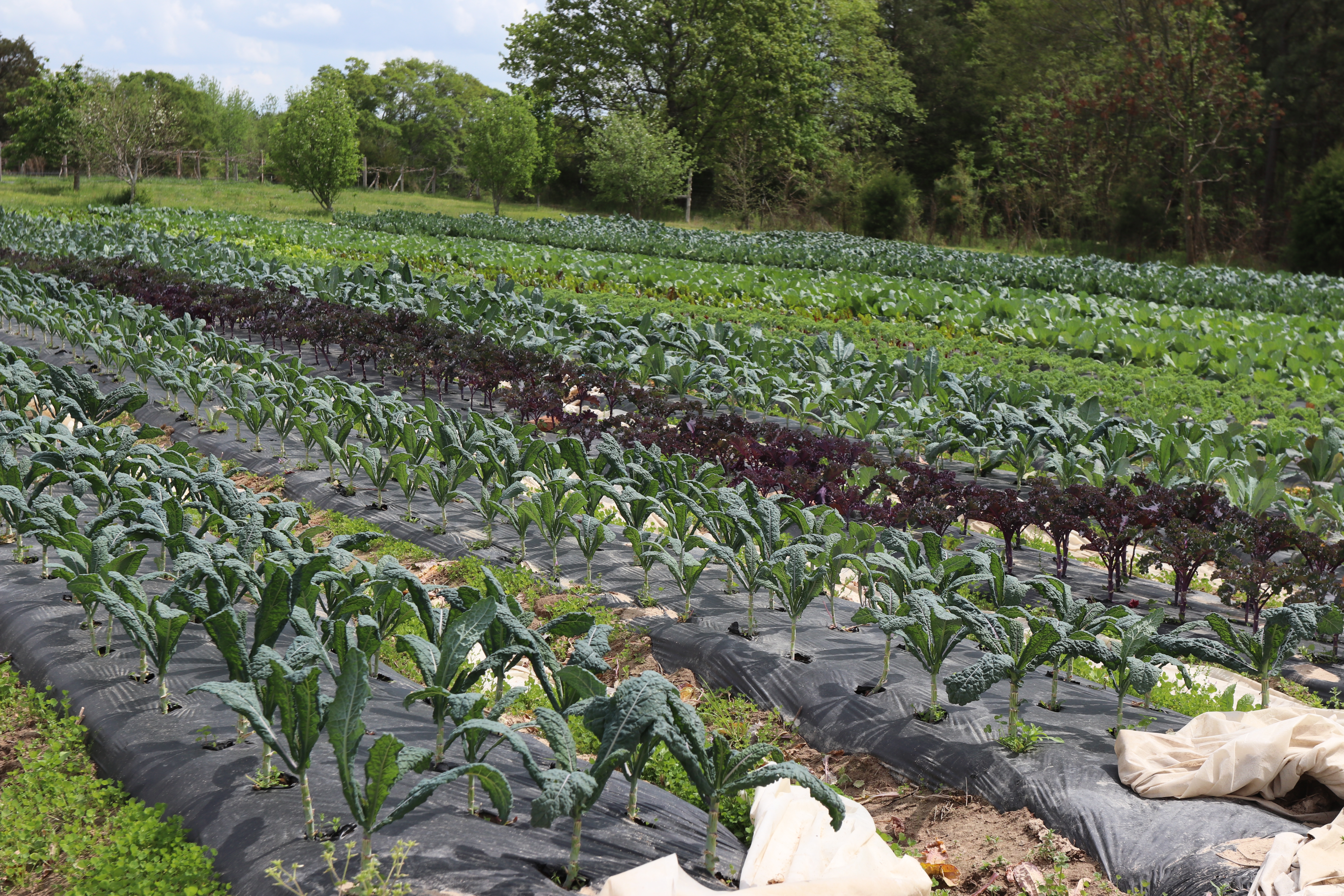
A farm must transition its crops and practices for 36 months before becoming eligible, then pay an application fee, an annual renewal fee, a percentage of annual production or sales and inspection fees. Costs vary but typically add up to be a few thousand dollars each year.
Instead of fees, the Certified Naturally Grown organization requires membership dues at a pay-what-you-can rate, with the minimum being $250 per year paid upfront or broken into monthly installments. That reduced price provides a lower barrier to farms that want to promote organic practices.
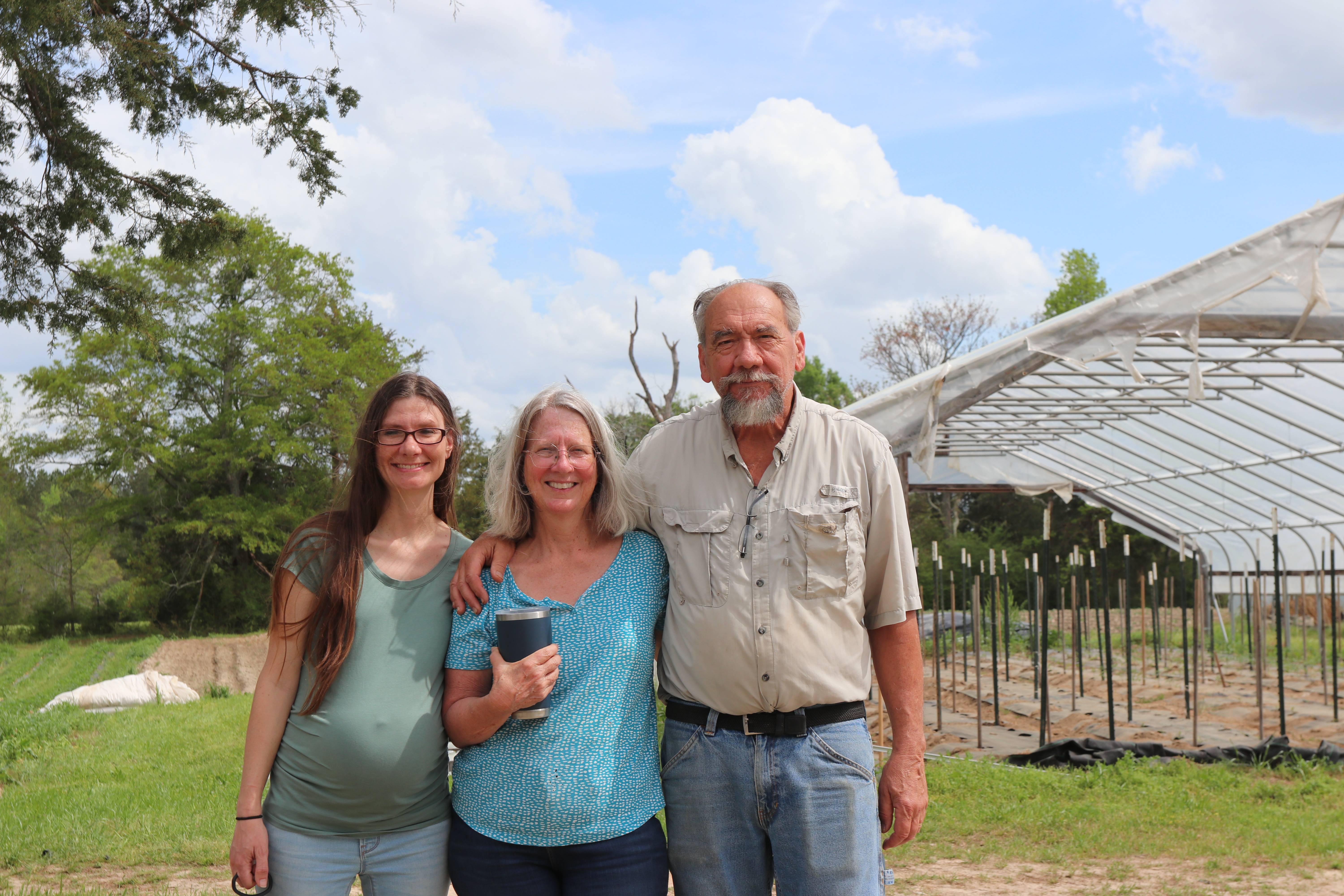
For some Oglethorpe County farms, though, like Hickory Hill Farm in the Glade community, maintaining the USDA Organic Certification provides enough benefits to be worth it.
“There are just some customers in retail markets that trust you more if you’re certified, so they're looking for that certification,” owner Susan Shaw said. “Not every customer, but a lot of customers.”
Shaw, who owns Hickory Hill Farm with her family, said their farm used to be Certified Naturally Grown, but received the USDA Organic Certification in 2010 when selling tomatoes to Whole Foods.
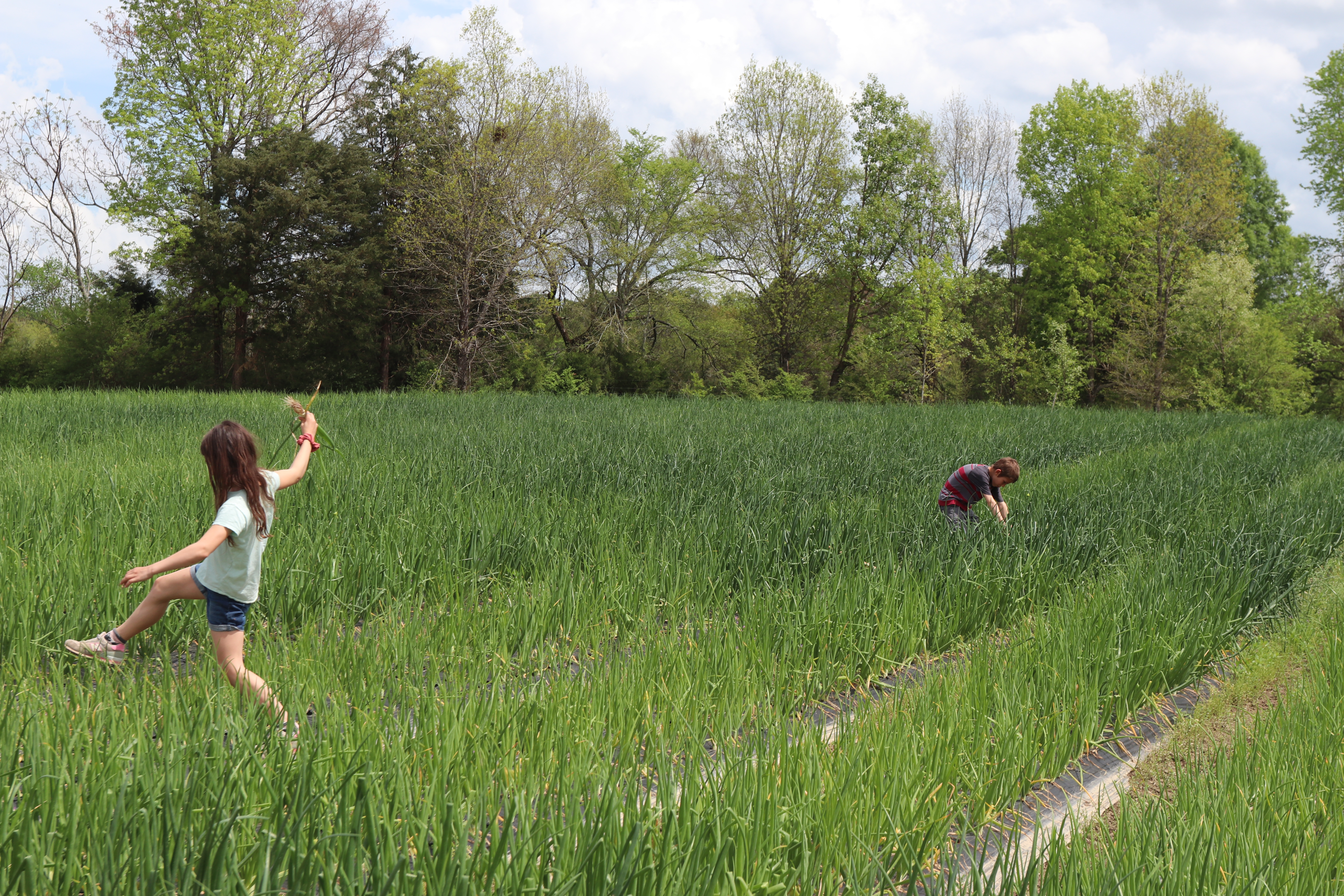
The company paid farmers more for certified organic crops because of their customer appeal, prompting the Shaws to go after that certification.
Hickory Hill Farm is required to pay 5% of its gross annual sales to maintain its certification from the USDA, typically about $4,000 a year for the farm.
Shaw said the process of maintaining the USDA certification is tedious and requires a great amount of bookkeeping, including two traceable audits showing how their crops move from seed to sale.
But, she said it’s worth it for the accountability it provides.
“There’s really no way to prove that you are being above board and truly growing an organic crop without that kind of record keeping,” Susan said.
With or without a USDA certification, Payne said he has noticed a growing appreciation for organic, naturally and sustainably grown crops.
“We don't use the synthetic herbicides or pesticides and I think a lot more people appreciate that option,” Payne said.
After 18 years, the Athens Farmers Market still operates on the same organic principles that Payne and other local farmers set up in 2008.
“That was something that we promoted and promised our Athens area customers,” Payne said, “and that is something that they appreciate, I believe, very much.”