
A small group practicing Native American spiritual traditions meets each week at No. 3 Railroad St.
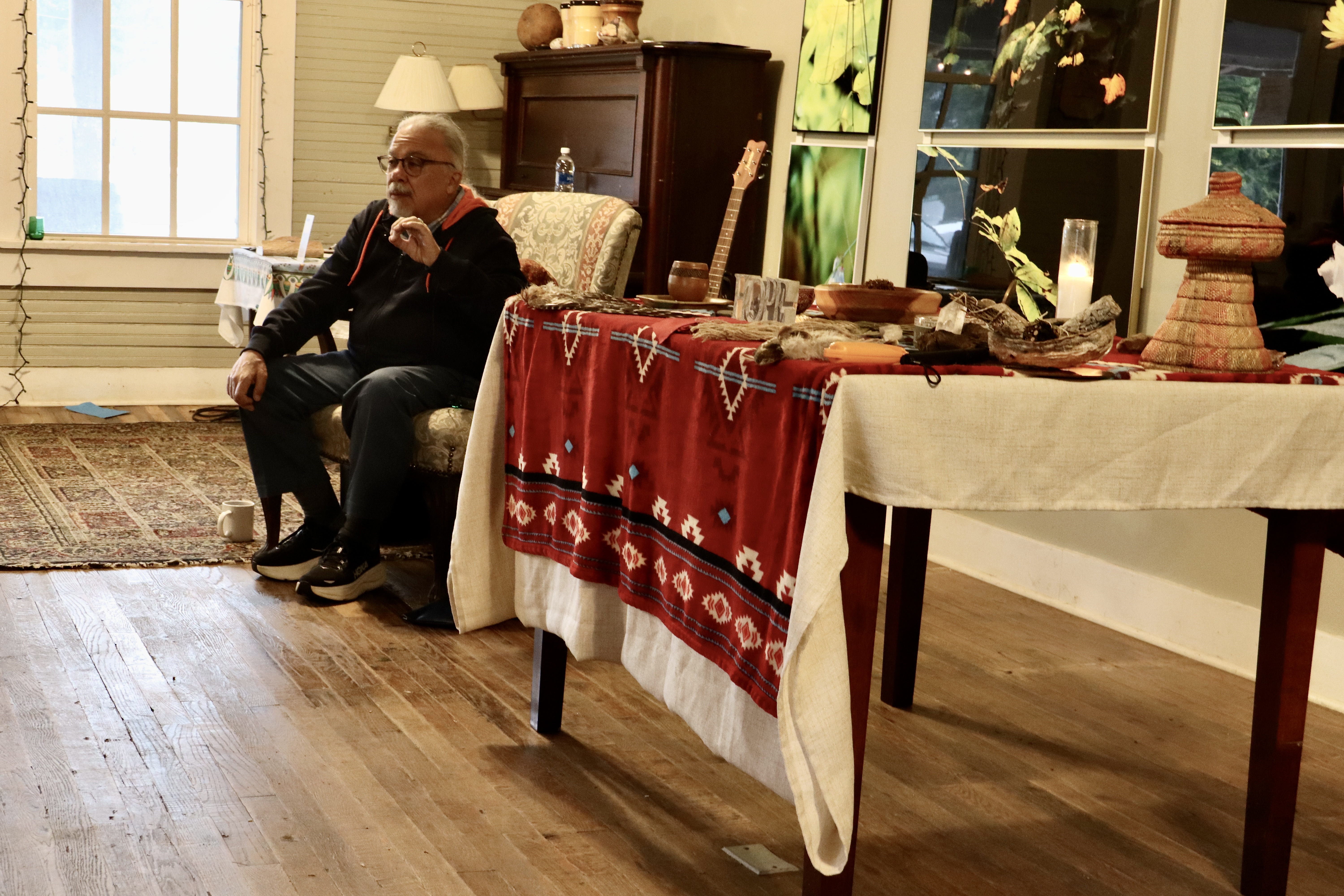
Robert “Black Eagle” Costa speaks softly but with conviction starting at 11:11 a.m. each Sunday at No. 3 Railroad St.
The founder and principal elder of Seventh Generation Native American Church doesn’t shout his sermons. Instead, he encourages members to engage in dialogue and spiritual connection during the services, which started on Sept. 7.
Costa, a Winterville resident, shares teachings from a Native American perspective, making them accessible to people of all identities.
“It’s not so much the quantum of native blood that flows through your body, as much as it is the qualitativeness of how you view and perceive the world,” Costa said.
Costa’s path to this ministry was anything but simple.
Raised between the strict Catholic beliefs of his father and the Southern Baptist faith of his mother, Costa earned a theology degree from Emory University and served a traditional church for 13 years before losing his position and questioning the doctrines he once followed.
His journey led him back to his Native American roots.
Studying under elders, Costa learned the spiritual teachings of the medicine wheel, which mirrors both life and agricultural cycles, and the seven sacred teachings: humility, honesty, courage, respect, truth, wisdom and love.
“You can’t just get over here without starting over there," Costa said. “It’s just a circle, and you just have to live in that.”
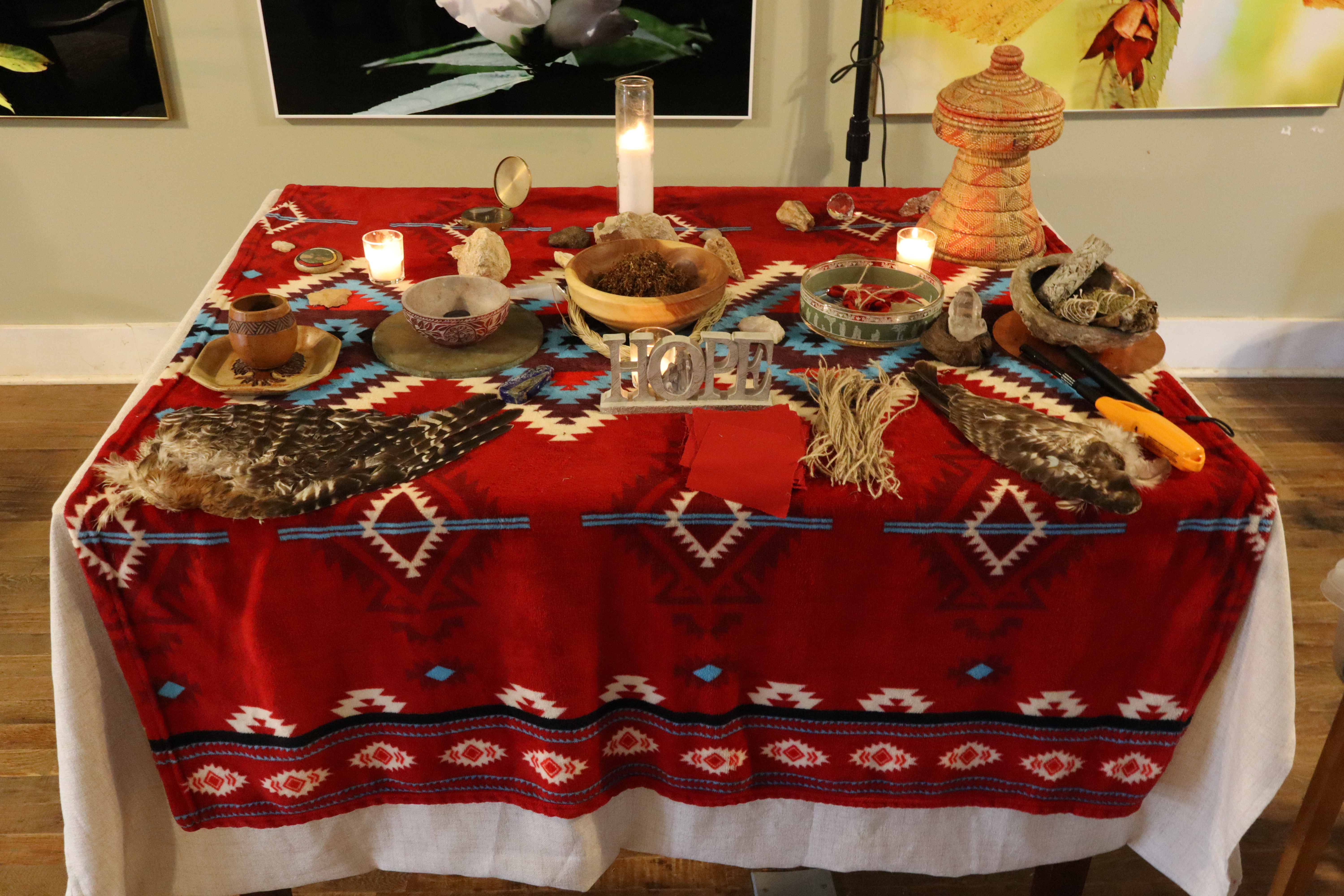
A typical service begins with check-ins, communal prayer and a “long talk,” a reflective discussion on a spiritual theme.
Congregants then gather at the altar for ceremonial use of the four sacred medicines: tobacco, sweet grass, cedar and sage.
During this time, people can create prayer ties, small pouches of tobacco containing personal intentions that are later burned in a bonfire at the spring equinox, an event symbolizing birth and renewal.
Julia Highsmith, a Colbert resident and member of the Seventh Generation Native American Church, has long been drawn to Native American culture. Through friendships with many members of the Navajo Nation in the Southwest, she’s discovered a strong connection to the church, even though she is not fully Native American.
“It’s in me, it’s in our heart,” Highsmith said. “Doesn’t have to be blood. Doesn’t have to be DNA.”
Costa’s teachings emphasize inclusion over strict doctrine, letting love dominate.
"Any religion that tells you that this way is the only way is a red flag," Costa said. "When you remove all that, you move into an internal, beautiful place."
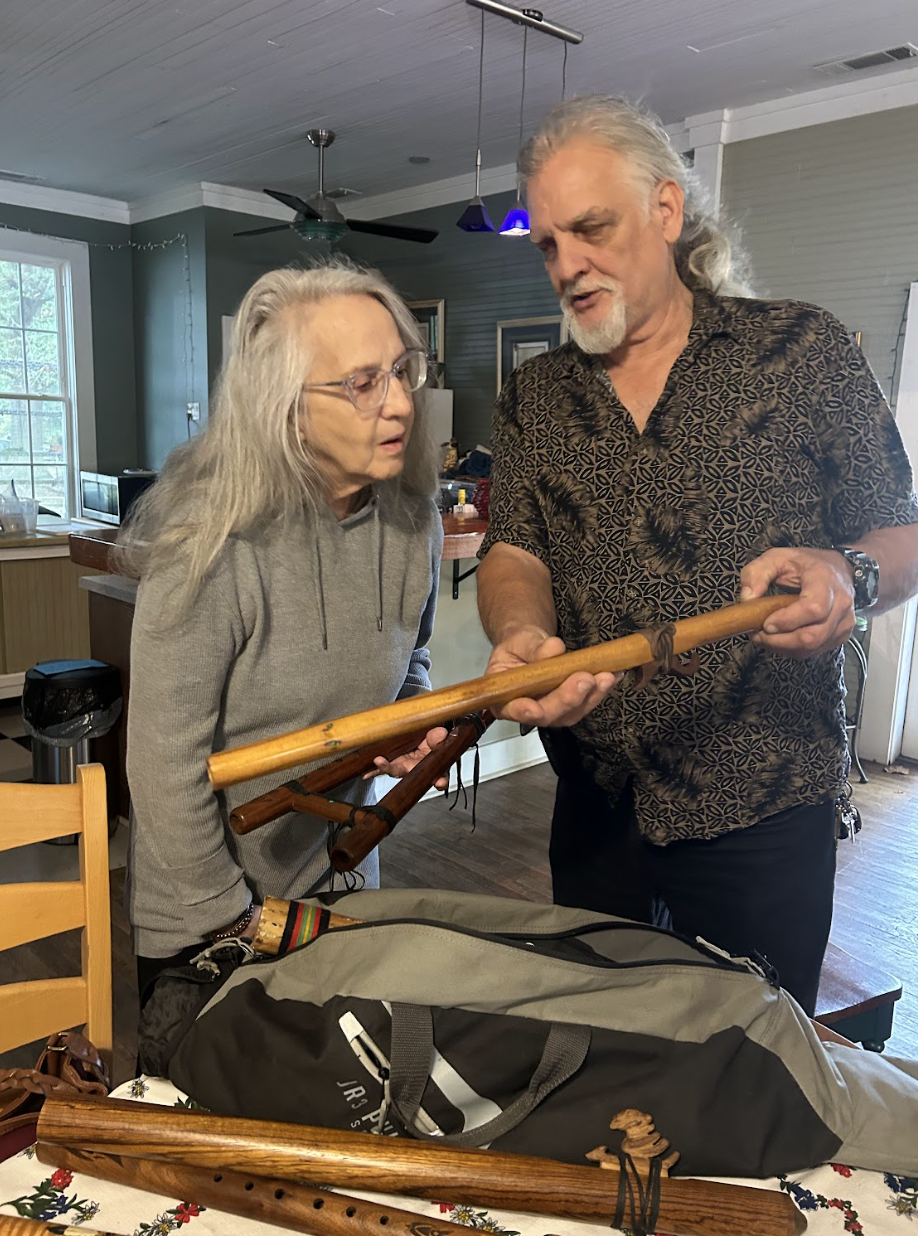
Costa’s message has not always been universally understood. Some have labeled the church as a “cult” on social media, and even family members have struggled to accept his beliefs.
Costa takes the criticism with calm resolve.
“It makes me feel sad,” he said. “I’m very protective of this work. This is not for everybody, although it should be.”
Despite the backlash, the church has grown, attracting about 10-20 people every Sunday.
“I don’t get that feeling from everybody,” Highsmith said. “It’s a warmth that I would hope people will feel.”
Costa hopes to establish a permanent place for the congregation within the next five years.
“We all come together as one, not this religion, not that religion,” Costa said. “We come together as a human family, and at the center of that human family is love.”