
Group includes eight county churches as notable sites
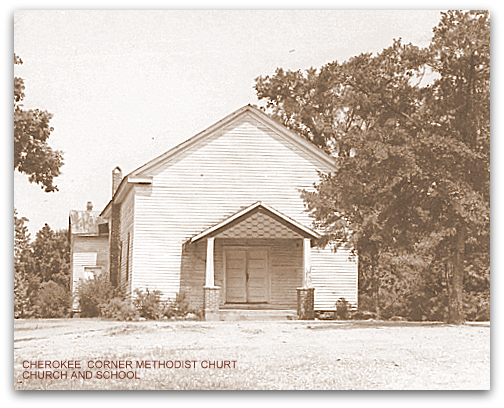
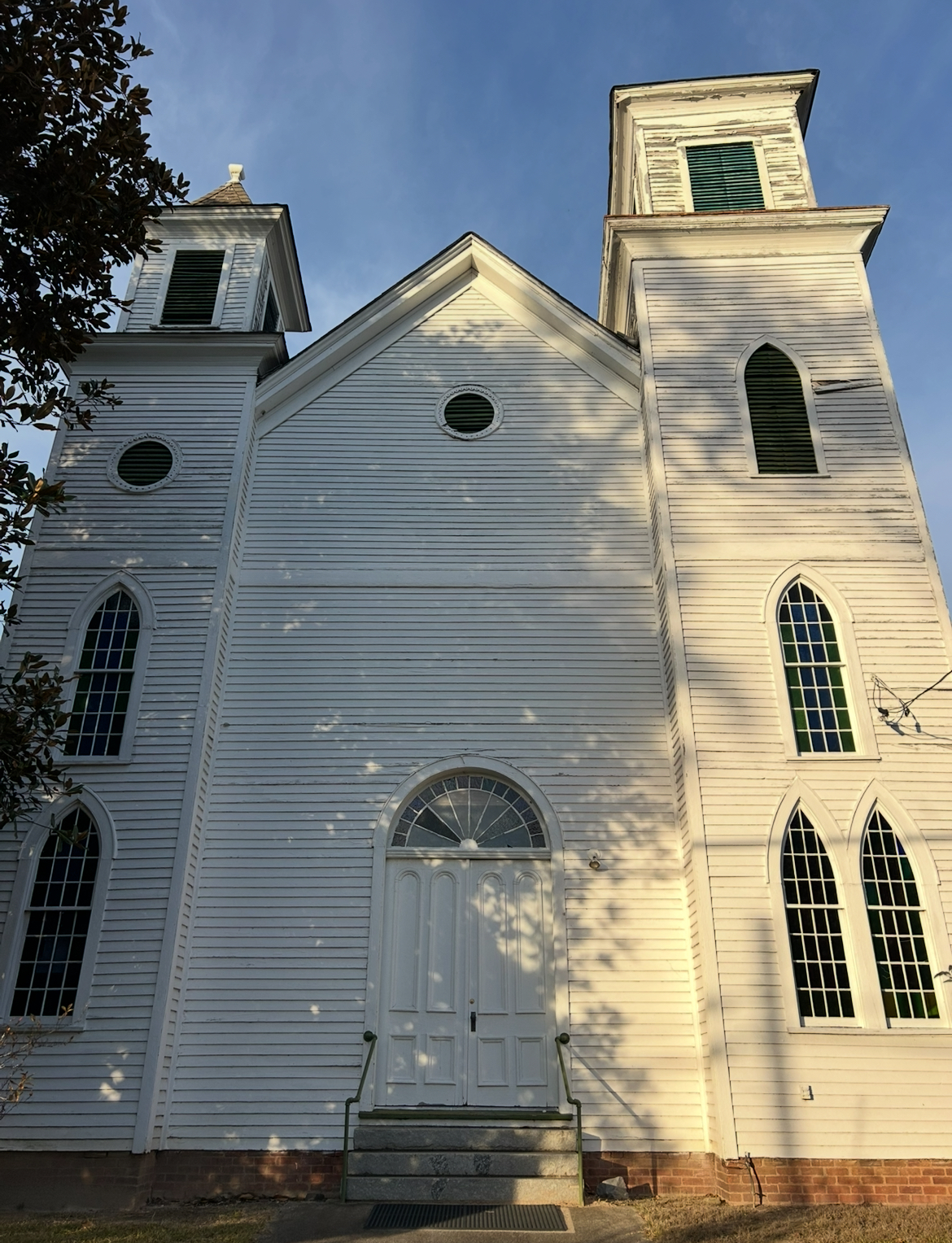
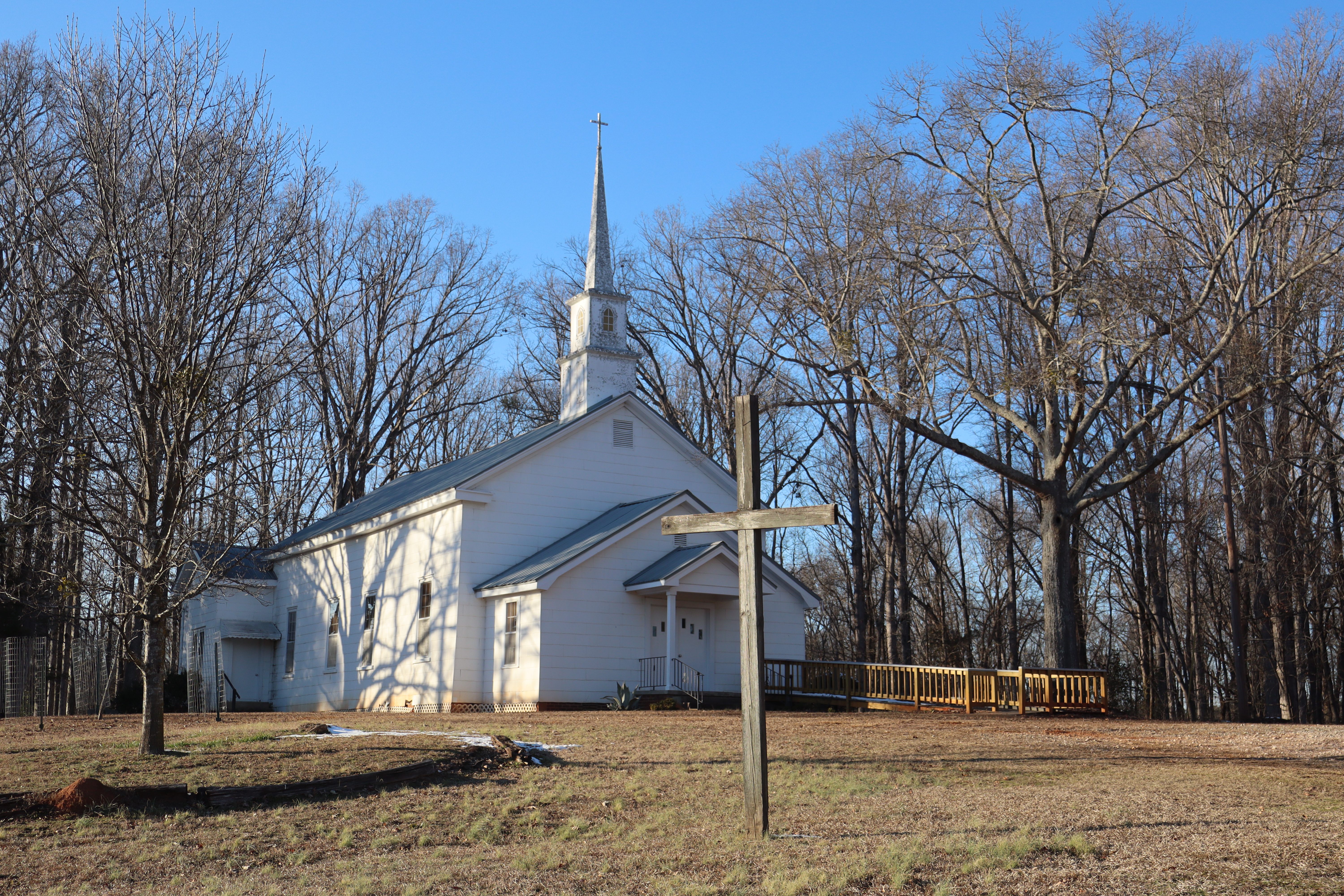
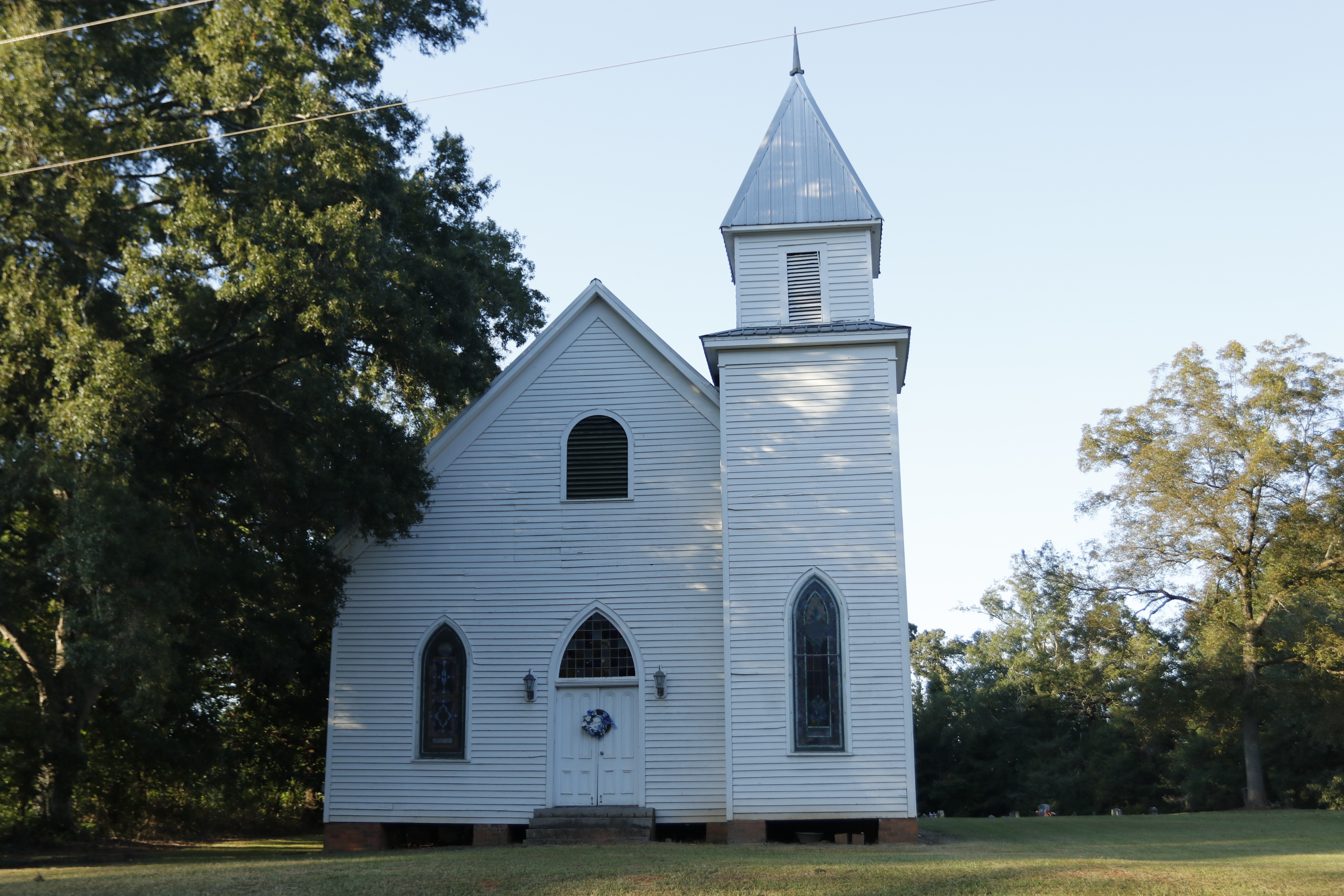
Churches weren’t just places of worship from a historical perspective.
They also gave neighbors a place to communicate, form relationships and build families. They were places to share news, find support and establish order in a largely rural landscape during early settlement periods.
Sonny Seals, an Atlanta-based author and Georgia Tech graduate, co-founded Historic Rural Churches of Georgia (HRC) in 2012 with George Hart, who is credited as a co-author with Seals for the book “Historic Rural Churches of Georgia.”
The project, which documents churches organized before 1900 in the state’s rural areas and small towns, includes congregations in Oglethorpe County.
“You can’t understand how America got here unless you understand Southern history,” Seals said. “That history is Black and white and dark and complicated, but looking at that history through the lens of rural churches is important because Georgia’s history is rural.”
HRC names Oconee Baptist, Piney Grove Baptist, Cherokee Corner Methodist, Maxeys Christian Church, Millstone Baptist, Philomath Presbyterian, Center Methodist and Beth-Salem Presbyterian as notable historic sites.
Together, these churches trace much of Oglethorpe County’s long and layered history. From Beth-Salem Presbyterian and Millstone Baptist’s organizations prior to the county’s formation in 1793 to Cherokee Corner Methodist’s ties to the Cherokee people in 1775, each church stands as a marker across eras.
“When people moved into a place, the very first thing they did was form a church,” Seals said. “Part of it was religion. There was some spiritual comfort in there, but honestly, it was a lot more community than religion.”
For many historically significant churches, documentation, including photographs, written histories and cemetery records, may be the only preservation they ever receive, as some no longer have active congregations.
Without records, their histories risk disappearing.
“The challenge for us is to identify these, the ones that are left — many of them are gone — and to tell that story,” Seals said.
Ashley Simpson, whose research is central to the Digital Atlas of Historic Oglethorpe County project, discussed the challenges of historical conservation in a county where oral history plays a significant role in preserving the past. While those traditions are valuable, she said they can sometimes conflict with surviving documents.
“That’s what we run into with Cherokee Corner,” Simpson said.
She described how the oral recounting of the church’s name origin has led to inaccurate information, and emphasizes the importance of seeking original, physical records.
“I just have a number of friends who are archivists in these various institutions, and they know what I’m working on,” Simpson said. “They have been enormously helpful in terms of finding documents and letters and diaries.”
Simpson’s work has led her to remarkable finds, like archival photographs and church minutes from the 18th century. However, she acknowledges younger generations aren’t as motivated to study those records.
That’s where Seals and his team come in to help.
Through books published by the University of Georgia Press, a website and a social media following of more than 70,000 people, Seals and HRC have brought attention to places that could have otherwise remained unnoticed.
The project has witnessed collapsing or compromised structures, with Seals pointing out they have lost many churches and will lose more.
His team doesn’t physically restore churches. Instead, it focuses on sharing research findings before they are gone.
Seals said the challenge is how to keep these old churches alive. He said interest from individuals with the resources to preserve or research a church can also prompt documentation, expanding the record of churches that might otherwise be forgotten.
“In some cases, they repurpose the building to be more community-oriented and involve education and kids and classes and concerts,” Seals said. “In order to save them, you’ve got to use them.”
In Oglethorpe County, many of these churches remain tucked into woods and along back roads, still standing even as congregations shrink and records fade.
For Seals and Simpson, documentation is not a replacement for preservation, but often the first and only step toward it.
“America’s history is short compared to the rest of the world,” Seals said. “We need to hang on to what we have.”