
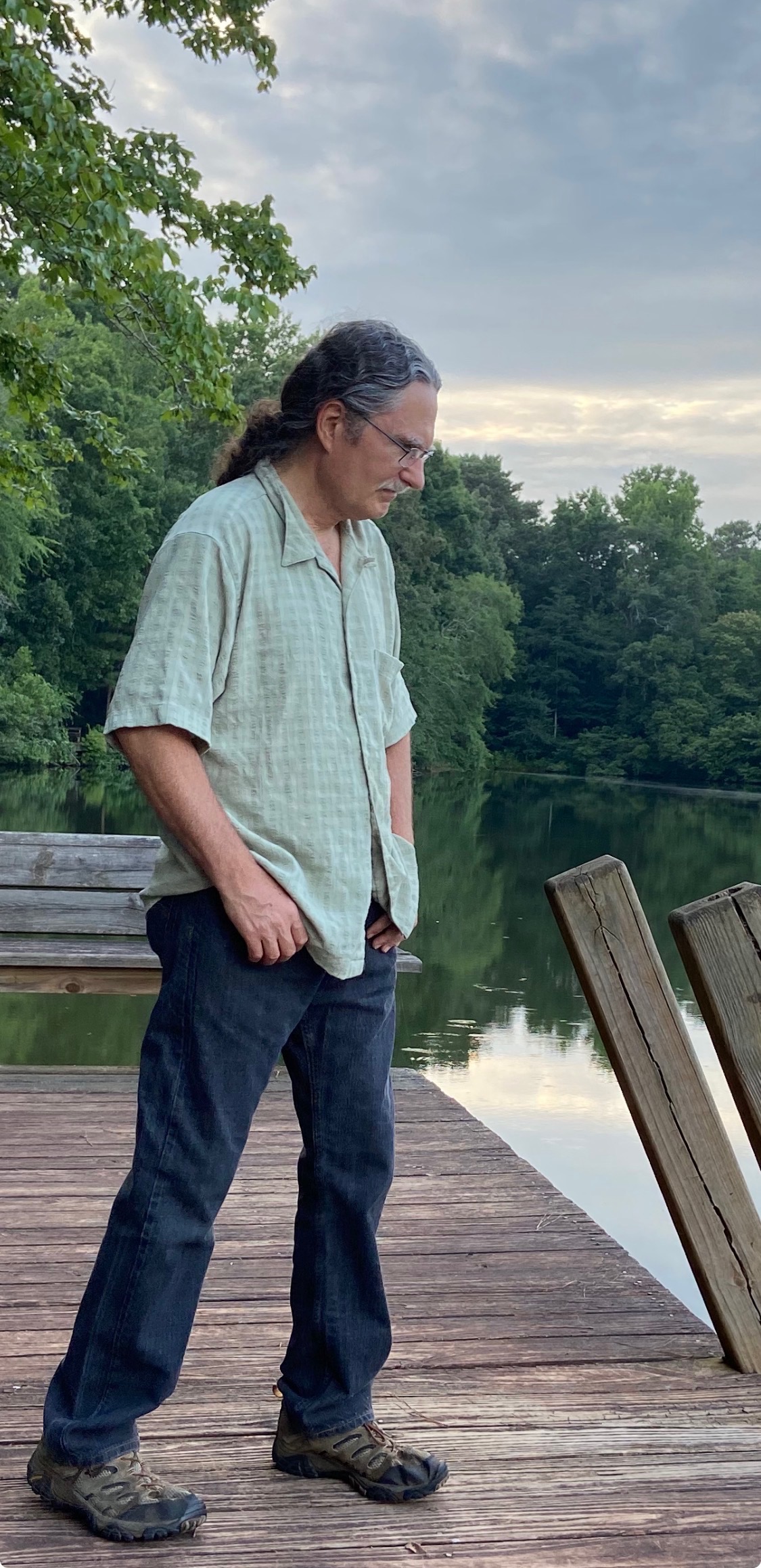
Eccentric, kind, soft-spoken, an academic genius. Those are just a few of the words John Hill used to describe his friend David J. Stewart.
Hill knew Stewart through his wife, Jill, who first met Stewart in 1996. John said Stewart’s late former partner owned an antique shop in Athens, and Jill’s shared interest in antiquing eventually led the two to connect.
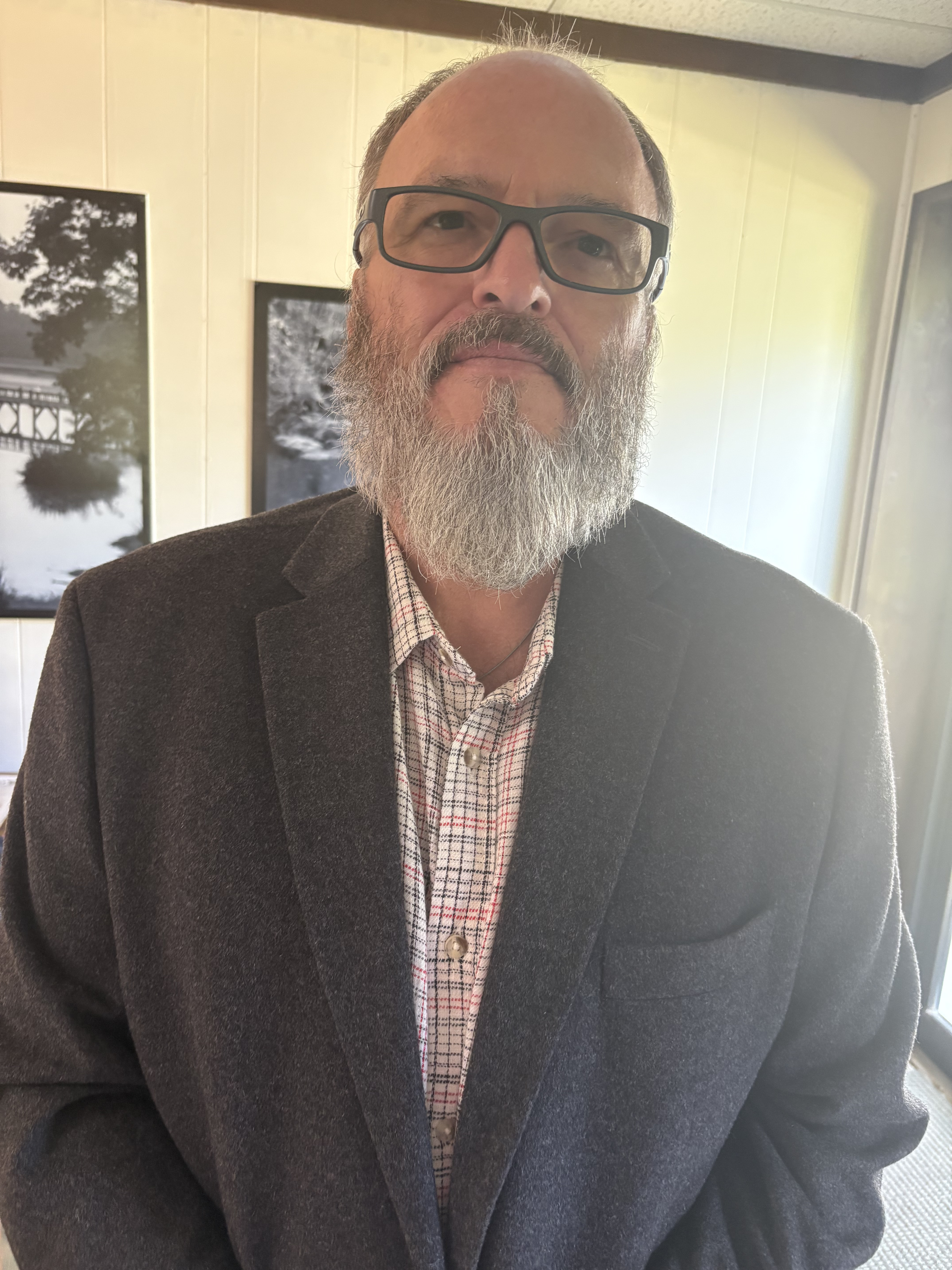
Over the years, their friendship grew, and Jill became especially close with Stewart over the last five or six years of his life. John said she was often the only person Stewart confided in about his deepest feelings or happiest moments.
It was the Hills’ relationship with Stewart that brought them to his Double Bridges Road home on Feb. 25, 2025, after they became concerned when several messages went unanswered.
John found Stewart’s body behind his home that day.
Michael Thomas Dusch was arrested about two weeks later, and on Aug. 18, was sentenced to life in prison with the possibility of parole after pleading guilty to Stewart’s murder.
John described Stewart as someone who desired connection, but his introverted personality often made that difficult.
“He was lonely and craved the close companionship that he just didn’t know how to achieve,” John wrote in a statement he read in Oglethorpe County Superior Court on the day Dusch was sentenced.
“We sensed something’s not right, something’s wrong,” John said. “And I initially thought — David’s 69 — I thought he had got out there in the yard and was doing work or something, and maybe had a heart attack.”
Once at the house, John quickly realized that their concerns were justified.
“I just knew something bad was going on as soon as we pulled up and stopped,” he said.
John told Jill to stay in the truck while he walked through Stewart’s house. Almost immediately, he noticed things that were out of place.
An overflowing litter box sat near the back door, even though Stewart took good care of his four cats, and the door itself was unlocked despite Stewart normally keeping it locked.
Inside, furniture and other belongings had been moved, and three of the cats were confined to the laundry room without water, with only a torn-open bag of dog food.
There were no obvious signs of a struggle, John said, but the more he searched, the more certain he became that something was wrong and that someone else had been there.
Realizing the house was empty, John began to search the property while Jill decided to take another look inside.
“I noticed some tracks going into the backyard that were from a dual-wheel vehicle, like a larger truck vehicle with dual wheels on the back. And I thought, ‘Well, it’s a propane guy because it is February,’” John said. “But those tracks were nowhere near the propane tank, so that was weird. And they were fresh. I mean, they were that day or the day before. They were fresh, so that’s odd. So I went back to the house and talked to Jill and asked her just to call the (Sheriff’s) office and ask for a welfare check.”
While they waited for the police, John continued his search and noticed more tire tracks leading farther back in the property.
“The person spun the tires going back out quite a ways, so they were in a hurry to get back out,” John said. “And I noticed where the grass and small trees were pushed over, but also noticed right beside that, a lot of the trees had been cut down and were in a pile, not a very huge or dense pile, but they were piled up weirdly. Also, something David wouldn’t do. So as I got close to that, I saw David's body. He was under those limbs.”
John returned to the house and told Jill what he found before calling the Sheriff’s Office back to let them know it was no longer a welfare check.
“We all respond to things differently, but it’s been a nightmare for both of us, but more so for Jill,” John said. “I saw the body. She never saw the body. I wouldn’t let her, but she, of course, as soon as I told her what I had found, she just basically fell on the ground. I thought she passed out, but she was just horribly distraught and still has trouble with it. … She’s had many sleepless nights.”
The most difficult part is that they know Stewart suffered before his death. He was restrained and died from blunt-force trauma.
“He suffered greatly, and even the mental suffering, knowing that he was tied up and what his fate probably was, and the type of person David was, this makes that even worse because he wouldn’t harm a fly,” John said. “He would not harm anything or anybody. He would be just appalled if he thought he brought some harm to some living thing. Yet he died that way.”
Stewart was a regular at the Rowdy Rooster for roughly a year, usually one of its first customers on Saturday mornings.
He typically enjoyed a cup of coffee and scone, co-owner Kathleen deMarrais said.
“He was a lovely man. He was very quiet,” she added. “I don’t know a lot about him, but I do know he collected antiques, and he actually gave us a piece that was kind of an antique cutting board that I still use at the shop.”
At Dusch’s sentencing, John spoke for himself and Jill, and also read a statement on behalf of Stewart’s three sisters and niece. Both statements gave them an opportunity to tell the court about the person they knew beyond the circumstances of his death.
“We miss him greatly. Words cannot describe the loss of him in such a horrific, tragic, unimaginable way. To think that this kind and loving man suffered at the hands of someone he only wanted friendship from is a nightmare we cannot wake up from,” the family statement read.
Both the family and the Hills, who no longer live in Oglethorpe County, asked for the strictest penalty in sentencing.
Dusch pleaded guilty to all nine counts against him, including malice murder, felony murder, aggravated assault, false imprisonment, concealing the death of another, identity fraud and financial crimes.
Northern Judicial Circuit District Attorney Parks White, who handled the case, said Dusch will not be eligible for parole consideration until 2055, and eligibility doesn’t guarantee his release. White previously said Dusch wasn’t eligible for the death penalty in Georgia.
Dusch also faces charges in Arkansas in connection with another killing he confessed to, where White said the Georgia conviction could make him eligible for the death penalty.
John said the sentence brought relief, but the possibility of parole remains difficult for him to accept.
“I’m not sure why they felt they had to give him the possibility of parole,” John said. “He doesn’t deserve that. So I don’t think that’s justice, but he’s got more trials to go through, so I kind of doubt those are going to be the same. He’s going to be in prison for the rest of his life.”
Sarah Owens is a master’s student in journalism at the University of Georgia.